


Electrolyte supplements have evolved from basic sports drinks to sophisticated hydration formulas used by athletes, outdoor workers, and health-conscious consumers. The category's steady growth and broad consumer base make it an attractive entry point for supplement brands, with the critical success factor being a manufacturing partner who can balance mineral ratios, flavor quality, and cost-effectiveness.
Why Electrolyte Supplements Belong in Your Product Line
The electrolyte supplement market serves diverse use cases beyond traditional sports hydration. Daily hydration support for office workers (a segment growing at 15% annually), hangover relief formulations, illness recovery formulas, and travel hydration products have expanded the category significantly. A 2025 consumer survey found that 54% of electrolyte buyers use them for general wellness rather than sports performance. Key minerals include sodium (100-300 mg per serving), potassium (100-300 mg), magnesium (50-100 mg), and calcium (50-100 mg). Sugar-free formulations using stevia or monk fruit now account for 38% of new product launches, driven by consumer preference for clean-label, low-calorie options.
Key Factors When Choosing Electrolyte OEM Manufacturing
What mineral forms are used in electrolyte supplements?
Sodium is typically sourced as sodium chloride or sodium citrate. Potassium is most commonly potassium chloride or potassium citrate. Magnesium comes in multiple forms: magnesium citrate (most bioavailable, 16% elemental magnesium), magnesium glycinate (gentler on stomach), and magnesium oxide (lowest cost, 60% elemental but lower absorption). Calcium is typically calcium citrate or calcium carbonate. The choice of mineral form affects taste, solubility, and cost. SREKE's formulation team selects appropriate mineral salts based on your target taste profile, solubility requirements, and cost targets.
What is the typical MOQ for electrolyte products?
Powder blends: 300-500 kg per SKU (approximately 5,000-10,000 containers at 50 g per serving). Effervescent tablets: 50,000-100,000 units. Liquid concentrates: 2,000-5,000 liters. Single-serve stick packs: 50,000-100,000 units. Lead times average 20-30 business days for standard formulations, with custom flavors requiring additional development time.
What quality testing is critical for electrolyte supplements?
Each mineral must be tested for identity and content by validated methods — sodium and potassium by flame photometry or ICP-MS, magnesium and calcium by atomic absorption or ICP-MS. Heavy metal testing is critical for mineral-sourced ingredients, as some mineral deposits may contain arsenic, lead, or cadmium contamination. SREKE tests every batch for mineral content, heavy metals, and microbial purity with Certificates of Analysis provided for each production run.
The Electrolyte OEM Manufacturing Process
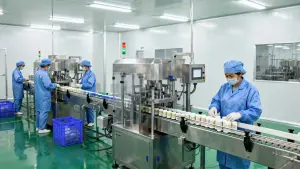
Electrolyte production requires careful control of mineral sources and blending conditions. Incoming minerals are tested for identity and purity. Sodium, potassium, magnesium, and calcium compounds are typically free-flowing powders that blend well in V-blenders or ribbon blenders. For flavored electrolyte powders, fruit flavors (lemon, lime, orange, berry, watermelon) are added as dry powder flavors along with natural sweeteners. Effervescent electrolyte tablets require specialized compression on high-pressure tablet presses with controlled humidity below 25% RH to prevent premature effervescent reaction. Liquid electrolyte concentrates are produced in stainless steel tanks with high-shear mixing and filled into bottles with tamper-evident seals. All finished products undergo content uniformity testing, pH verification (for liquids), and stability testing at 40°C/75% RH for accelerated shelf-life determination.
Electrolyte Powder vs Effervescent Tablets vs Liquid — Comparison
| Factor | Powder | Effervescent Tablets | Liquid Concentrate |
|---|---|---|---|
| Convenience | Moderate (requires scoop) | High (drop in water) | High (pre-measured) |
| Cost per serving | $0.15-0.35 | $0.30-0.60 | $0.50-1.00 |
| Sugar content control | Easy (can be sugar-free) | Moderate (bulking agents needed) | Easy |
| Shelf life | 24 months | 24 months | 12-18 months |
| Shipping weight | Light | Light | Heavy (liquid weight) |
| Custom flavor options | Extensive | Limited | Moderate |
Frequently Asked Questions
Can electrolyte supplements be sugar-free?
Yes. Sugar-free electrolyte powders use stevia, monk fruit, or erythritol for sweetness. This is one of the fastest-growing subcategories, particularly among health-conscious and keto-diet consumers.
What flavors are most popular for electrolyte products?
Lemon and lime remain the most popular flavors for electrolyte supplements. Berry blends, orange, watermelon, and tropical fruit are also top sellers. The natural tartness of citrus flavors complements the salty taste of minerals well.
Are electrolyte supplements regulated differently than other supplements?
Electrolyte supplements follow standard dietary supplement regulations in most markets. Products making specific hydration claims should have scientific substantiation. These statements have not been evaluated by the Food and Drug Administration. This product is not intended to diagnose, treat, cure, or prevent any disease.
What certifications add value for electrolyte brands?
NSF Certified for Sport is a valuable certification for electrolyte products targeting athletes. Non-GMO Project Verified, vegan certification, and gluten-free certification are standard expectations for new product launches in this category.
What is the best packaging for electrolyte powder?
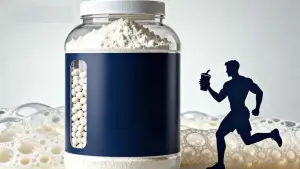
Stand-up resealable pouches are the most popular format for bulk electrolyte powder. Single-serve stick packs are growing rapidly for on-the-go convenience. Bulk jars (HDPE or PET) are preferred for value-sized offerings.
How to Get Started with SREKE
SREKE offers OEM/ODM/CDMO services for electrolyte supplements in powder, effervescent tablet, and liquid concentrate formats. Our team can help you develop a custom electrolyte formula with your preferred mineral ratios, flavor profile, and sweetener system. We source pharmaceutical-grade minerals and provide full quality documentation with every batch.
If you are looking for OEM/ODM/CDMO contract manufacturing services, please visit https://www.sreke.com/contact.php to submit your inquiry.