






Why HPMC Capsule Filling Machine Types Matter for Supplement Brands
At SREKE, we see firsthand how the choice of capsule filling equipment shapes product quality, compliance, and time-to-market. HPMC (hydroxypropyl methylcellulose) capsules have surged in popularity as a vegetarian-friendly, stable alternative to gelatin. Unlike gelatin, HPMC capsules are less hygroscopic and more dimensionally stable in varying humidity — a critical factor for brands targeting global distribution.
The type of HPMC capsule filling machine you choose directly impacts your unit economics, formulation flexibility, and regulatory readiness. In China's GMP-certified manufacturing landscape, equipment selection also determines whether your production line can handle diverse powder densities, flow characteristics, and fill weights without cross-contamination.
We recommend that brand owners understand the three primary categories of HPMC capsule filling machines before committing to an OEM partnership or in-house production strategy.
Key Manufacturing Considerations at SREKE
1. Semi-Automatic HPMC Capsule Filling Machines
Semi-automatic machines require manual capsule loading and unloading but automate the powder filling process. These units typically achieve 2,000 to 6,000 capsules per hour. At SREKE, we reserve semi-automatic lines for low-MOQ projects, formula validation runs, and clinical trial supply where flexibility outweighs throughput.
Key advantages include lower capital investment, easier changeover between SKUs, and suitability for viscous or high-density formulations that may not flow freely on high-speed equipment.
2. Automatic Mid-Speed HPMC Capsule Filling Machines
Automatic mid-speed fillers operate between 8,000 and 20,000 capsules per hour. These machines feature automated capsule separation, filling, and closing in a continuous cycle. They are the workhorses of most GMP-compliant supplement manufacturing facilities.
At SREKE, our mid-speed lines are equipped with integrated dust extraction, in-process weight checkweighers, and stainless steel enclosures that meet ISO 14644 cleanroom standards. These machines handle standard free-flowing powders efficiently while accommodating a range of HPMC capsule sizes from 000 to 5.
3. High-Speed Fully Automatic HPMC Capsule Filling Machines
High-speed filling lines operate at 40,000 to 80,000+ capsules per hour. These systems integrate capsule orientation, dosing via rotary disc or tamping pin technology, moisture-controlled enclosures, and automated rejection of defective units. They are designed for high-volume contract manufacturing and long production runs.
At SREKE, our high-speed lines include real-time process monitoring, automated batch traceability, and CIP (clean-in-place) compatibility — all essential for maintaining GMP compliance under FDA 21 CFR Part 11 and EU GMP Annex 11 requirements.
Equipment Selection Factors We Evaluate
- Formulation viscosity and flow: Poor-flowing powders may require tamping-pin fillers rather than rotary disc systems
- MOQ and run length: Short runs benefit from semi-automatic flexibility; long runs justify high-speed investment
- Moisture sensitivity: HPMC capsules absorb less moisture than gelatin, but low-humidity enclosures (typically 20-30% RH) are still recommended for hygroscopic actives
- Regulatory documentation: Equipment must support batch records, validation protocols, and audit trails required by FDA and EFSA inspections
- Capsule size range: Your formulation's fill volume determines whether you need 000, 0, 1, or multiple sizes on the same line
How SREKE Helps You Get to Market Faster
At SREKE, we match your product requirements with the appropriate filling technology — not the most expensive option, but the one that delivers the best balance of speed, compliance, and cost. Our Guangzhou facility operates multiple HPMC capsule filling lines across all three categories, allowing us to scale from pilot batches to full commercial production without reformulation or revalidation.
Our process includes:
- Formulation assessment: We evaluate your formula's flow properties, density, and moisture sensitivity to recommend the optimal filling method
- Prototype filling: Small-batch production on semi-automatic or mid-speed lines for your approval before full-scale manufacturing
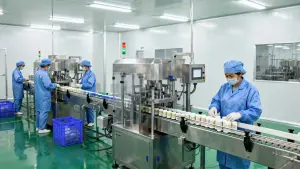
- GMP-compliant production: All filling occurs in ISO-classified cleanrooms with environmental monitoring, in-process QC, and finished product testing
- Packaging and labeling: We offer blister packs, HDPE bottles, and child-resistant closures with compliant labeling for your target markets
- Regulatory support: Our documentation package includes COA, GMP certificates, and stability data to support your FDA facility registration and EU health authority submissions
We typically offer MOQs starting at 50,000 capsules per SKU for private-label projects and 20,000 capsules for custom ODM formulations. Lead times range from 15 to 30 days depending on formulation complexity, capsule size, and packaging requirements.
Industry Trends and Market Opportunities
The global HPMC capsule market continues to expand as brand owners respond to consumer demand for plant-based, allergen-free supplement formats. According to industry reports, the vegetarian capsule segment is projected to grow at a compound annual rate above 6% through 2030, driven by demand in North America, Europe, and increasingly in Asia-Pacific markets.
Key trends we are observing at SREKE:
- Combination fills: Brands are increasingly requesting multi-ingredient powders in single HPMC capsules, requiring advanced blending and filling techniques
- Delayed-release coatings: Enteric-coated HPMC capsules are gaining traction for probiotics and enzyme-based formulas that require stomach-safe delivery
- Sustainability messaging: HPMC capsules derived from wood pulp offer a transparent, plant-based origin story that resonates with eco-conscious consumers
- Regulatory tightening: FDA and EFSA are increasing scrutiny on supplement manufacturing practices, making GMP-certified OEM partnerships more valuable than ever
At SREKE, we invest continuously in equipment upgrades and staff training to ensure our clients benefit from the latest filling technology while maintaining the compliance standards their markets require.
Frequently Asked Questions
What is the difference between HPMC and gelatin capsule filling machines?
HPMC and gelatin capsules can generally be filled on the same equipment. However, HPMC capsules are less moisture-sensitive, which allows for slightly more flexible environmental control. The primary differences lie in capsule handling — HPMC capsules are stiffer and may require adjusted separation and closing parameters. At SREKE, our machines are calibrated for both types, and we recommend a trial run to optimize settings for your specific capsule supplier and formulation.
Can HPMC capsules be used for liquid or semi-solid fills?
Standard HPMC hard capsules are designed for powder fills. For liquid or semi-solid fills, we recommend softgel encapsulation, which SREKE also manufactures. Some specialized HPMC capsule formats are being developed for liquid fills, but they are not yet widely available in commercial contract manufacturing. We can advise on the best encapsulation format for your specific formulation during our consultation.
What MOQ can I expect for HPMC capsule production at SREKE?
Our standard MOQ is 50,000 capsules per SKU for private-label projects and 20,000 capsules for custom ODM work. For market testing or clinical supply, we can accommodate smaller batches on our semi-automatic lines. Contact our team to discuss your specific volume requirements.
How do I ensure my HPMC capsule supplier meets GMP standards?
Verify that your manufacturer holds current GMP certification from a recognized authority — in China, this is the NMPA (National Medical Products Administration). SREKE also maintains ISO 9001 certification and HACCP principles in our quality management system. Request audit reports, certificate copies, and batch release documentation before committing to a production order.
What is the typical lead time for HPMC capsule production?
Standard lead times at SREKE range from 15 to 30 days, depending on formulation complexity, capsule size, order volume, and packaging requirements. Expedited production is available for repeat orders of established formulas. We provide a detailed timeline during the quoting process so you can plan your launch accordingly.
Do HPMC capsules require special storage conditions?
HPMC capsules are more stable than gelatin in humid environments, but they should still be stored in a cool, dry place below 25°C with relative humidity below 60%. Proper packaging with desiccants and moisture-barrier materials is essential for maintaining capsule integrity throughout the product shelf life. Our packaging team selects materials based on your formula's stability profile and target market climate.