



Why Cold Press vs Traditional Softgel Manufacturing Matters for Supplement Brands
At SREKE, we work with supplement brand owners who need to make informed decisions about their softgel production. The manufacturing process you choose directly impacts ingredient stability, compliance, cost, and time-to-market. Understanding the differences between cold press and traditional softgel manufacturing helps you select the right partner and process for your formula.
Traditional softgel manufacturing typically involves a rotary die encapsulation process where a liquid fill is enclosed in a gelatin-based shell. The shells require a drying phase that often uses controlled heat and humidity. This method is well-established and suitable for many oil-based and stable active ingredients.
Cold press softgel manufacturing refers to processes that minimize or eliminate heat exposure during shell formation and drying. These methods are particularly valuable for heat-sensitive ingredients such as certain omega-3 oils, probiotics, antioxidants, and volatile compounds. By reducing thermal stress, cold press techniques help preserve ingredient integrity and bioactivity.
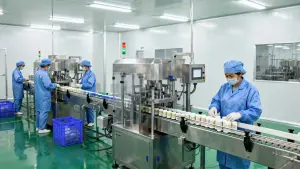
At SREKE, we evaluate each formula to recommend the most appropriate manufacturing approach. Our GMP-certified facility in Guangzhou supports both traditional and low-temperature encapsulation methods, ensuring your product meets quality standards while protecting sensitive actives.
Key Manufacturing Considerations at SREKE
Ingredient Compatibility
Not all ingredients tolerate elevated temperatures. Traditional softgel drying can reach temperatures that may degrade thermolabile compounds. Cold press processes operate at lower temperatures, making them ideal for:
- Omega-3 fish oils and algae oils prone to oxidation
- Probiotics and live cultures
- Vitamin C and other antioxidants
- Herbal extracts with volatile components
- Pelletized or sensitive nutrient blends
Our formulation team at SREKE conducts compatibility assessments to determine the optimal process for your specific ingredients.
Regulatory Compliance and Standards
SREKE operates under strict regulatory frameworks. Our facility is GMP-certified and adheres to FDA 21 CFR Part 111 current Good Manufacturing Practices for dietary supplements. We also implement ISO 22000 and HACCP principles to ensure food safety throughout production.
Whether using traditional or cold press methods, we maintain documentation and quality controls that support regulatory submissions and audits. Our quality assurance team verifies that all processes meet the standards required for your target markets, including the United States, European Union, and Asia-Pacific regions.
MOQ and Production Flexibility
Brand owners often have varying minimum order quantities based on their stage of growth. At SREKE, we offer flexible MOQs for both traditional and cold press softgel runs. Our production lines are designed to accommodate pilot batches and large-scale manufacturing without compromising quality.
We recommend discussing your volume requirements during the consultation phase. Our team can align process selection with your budget and timeline while ensuring consistent product quality.
Lead Time and Time-to-Market
Traditional softgel manufacturing typically includes a drying period that can extend lead times. Cold press methods may reduce drying time, potentially accelerating production schedules. However, overall lead time depends on formulation complexity, ingredient sourcing, packaging customization, and regulatory documentation.
At SREKE, we streamline our workflow to minimize delays. Our integrated facility handles encapsulation, packaging, and quality testing under one roof, which helps us deliver products faster while maintaining compliance.
Packaging and Shelf-Life Considerations
The choice between cold press and traditional manufacturing can influence packaging requirements. Heat-sensitive ingredients may benefit from protective packaging such as amber bottles, blister packs, or oxygen-absorbing packets to extend shelf life.
Our packaging team works with you to select materials that preserve product integrity. We conduct stability testing to support shelf-life claims and ensure your product remains effective throughout its intended use period.
How SREKE Helps You Get to Market Faster
At SREKE, we understand that speed to market is critical for supplement brands. Our OEM and ODM services are designed to reduce development cycles without sacrificing quality or compliance.
Formulation Development Support
Our in-house R&D team assists with formula optimization, ingredient sourcing, and process validation. We help you navigate regulatory requirements and select the manufacturing method that best suits your product's needs.
Quality Assurance and Testing
Every batch undergoes rigorous testing for identity, potency, purity, and microbial safety. Our QC protocols align with FDA cGMP and international standards, providing you with certificates of analysis and documentation for your records.
Scalable Production
Whether you need a small pilot run or full-scale manufacturing, SREKE's facility can scale production efficiently. We maintain consistent quality across batches and offer flexible scheduling to meet your launch timelines.
Regulatory and Documentation Assistance
We provide support with product specifications, manufacturing records, and compliance documentation. Our team stays current with regulatory changes in key markets to help you avoid delays during product registration or audits.
Industry Trends and Market Opportunities
The dietary supplement industry continues to evolve, with growing consumer demand for clean-label, sustainably sourced, and potent products. Several trends are influencing softgel manufacturing choices:
- Clean-Label Formulations: Brands are seeking simpler ingredient lists and non-GMO, vegetarian, or vegan softgel options. Cold press methods can help preserve natural compounds without synthetic additives.
- Heat-Sensitive Ingredient Innovation: As new actives emerge, manufacturers are adopting low-temperature processes to maintain efficacy. This trend supports product differentiation and premium positioning.
- Sustainability and Efficiency: Modern manufacturing facilities are focusing on energy efficiency and waste reduction. SREKE's facility implements sustainable practices while maintaining high production standards.
- Global Compliance Requirements: Brands selling in multiple regions must navigate diverse regulatory landscapes. Working with a GMP-certified OEM like SREKE simplifies compliance and reduces risk.
At SREKE, we monitor industry developments and invest in technology that enhances our capabilities. Our team is prepared to advise you on the best manufacturing approach for your brand's goals and market requirements.
Frequently Asked Questions
What is the difference between cold press and traditional softgel manufacturing?
Traditional softgel manufacturing often involves heat during the shell drying phase, which can affect heat-sensitive ingredients. Cold press methods minimize or eliminate heat exposure, helping to preserve the integrity of sensitive actives. The choice depends on your formula's composition and stability requirements.
Does SREKE offer both manufacturing methods?
Yes. At SREKE, we provide both traditional and low-temperature softgel encapsulation options. Our team evaluates your formula to recommend the most suitable process, ensuring optimal ingredient stability and product quality.
What are the MOQ requirements for softgel production?
MOQs at SREKE vary based on the manufacturing method, packaging, and formulation complexity. We offer flexible options to support startups and established brands alike. Contact our team for specific details related to your project.
How long does softgel manufacturing take?
Lead times depend on several factors, including formulation development, ingredient sourcing, production scheduling, and packaging. Traditional processes may require additional drying time, while cold press methods can sometimes reduce overall cycle time. SREKE works to streamline production and provide realistic timelines during planning.
Is SREKE compliant with FDA and international standards?
SREKE operates under GMP certification and follows FDA 21 CFR Part 111 requirements for dietary supplements. Our facility also adheres to ISO 22000 and HACCP principles. We maintain documentation and quality systems that support compliance in multiple markets.
Can SREKE help with packaging and labeling?
Yes. We offer comprehensive packaging solutions, including bottle selection, labeling, and secondary packaging. Our team can assist with design and compliance to meet regulatory requirements in your target regions.
What types of ingredients are best suited for cold press softgels?
Cold press methods are ideal for heat-sensitive ingredients such as certain oils, probiotics, antioxidants, and volatile extracts. Our formulation experts can assess your ingredients and recommend the appropriate manufacturing process to maintain potency and stability.
Ready to launch your supplement brand? SREKE provides GMP-certified OEM/ODM manufacturing for softgels, capsules, tablets, powders, gummies, and liquids. Contact us for a free quote or email [email protected] — we respond within 24 hours.