



Why Sublingual Supplement Manufacturing Matters for Supplement Brands
At SREKE, we see a growing demand from brand owners seeking delivery systems that maximize ingredient bioavailability. Sublingual supplements — formulations designed to dissolve under the tongue for direct absorption into the bloodstream — have emerged as one of the most compelling delivery formats in the dietary supplement industry.
Sublingual administration bypasses the gastrointestinal tract and first-pass hepatic metabolism, which means certain nutrients and botanicals can achieve higher systemic availability compared to oral tablets or capsules. According to published pharmacokinetic research, this route of delivery is particularly relevant for heat-sensitive or poorly water-soluble compounds.
For supplement brands, choosing sublingual manufacturing means differentiating your product in a crowded marketplace. Consumers increasingly seek convenience and efficacy, and sublingual formats — including dissolving strips, fast-dissolve tablets, and liquid drops — offer a modern, on-the-go experience that resonates with health-conscious buyers.
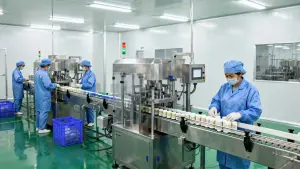
However, sublingual supplement manufacturing presents unique technical and regulatory challenges. From formulation stability to packaging integrity and compliance with FDA and EFSA requirements, every step demands precision. At SREKE, our GMP-certified facility in Guangzhou is equipped to navigate these complexities so your product meets the highest standards of quality and safety.
Key Manufacturing Considerations at SREKE
Formulation Science and Bioavailability
Sublingual formulations require careful selection of excipients, flavoring agents, and active ingredients. At SREKE, our R&D team evaluates each ingredient's solubility profile, pH sensitivity, and stability under sublingual conditions. We work with proven bases such as maltodextrin, mannitol, and natural sweeteners to create fast-dissolving matrices that release actives efficiently.
We recommend conducting bioavailability assessments during the formulation stage. While sublingual delivery is known to enhance absorption for certain compounds, the actual performance depends on the specific ingredient, dosage form, and formulation composition.
GMP and Quality Standards
At SREKE, all sublingual products are manufactured under strict Good Manufacturing Practice (GMP) standards, aligned with FDA 21 CFR Part 111 requirements for dietary supplements and EU GMP guidelines where applicable. Our facility also maintains ISO certification and implements HACCP-based food safety management systems to ensure consistent product quality.
Every batch undergoes rigorous in-process testing and finished-product analysis, including assay, dissolution, microbial limits, and heavy metal screening. We provide Certificates of Analysis (CoA) and full documentation to support your regulatory filings in the US, EU, and other global markets.
Regulatory Compliance: FDA and EFSA
Sublingual supplements fall under the regulatory framework for dietary supplements in the United States (DSHEA) and food supplements in the European Union. At SREKE, we ensure that:
- All ingredients comply with FDA GRAS (Generally Recognized as Safe) status or have established Novel Food authorization under EFSA where required.
- Labeling claims are compliant — we use structure/function language such as "supports immune health" or "promotes relaxation" rather than disease treatment claims.
- Product documentation supports FDA facility registration and New Dietary Ingredient (NDI) notifications when applicable.
- EFSA-compliant health claims reference only authorized claims from the EU Register of nutrition and health claims.
Packaging and Stability
Sublingual products are particularly sensitive to moisture and environmental conditions. At SREKE, we utilize high-barrier packaging solutions including aluminum blisters, child-resistant containers, and desiccant-packed pouches to maintain product integrity throughout shelf life. We conduct accelerated and real-time stability studies to validate expiration dating and storage conditions.
MOQ and Lead Time
We understand that brand owners need flexibility. At SREKE, our minimum order quantities for sublingual products start at competitive levels to accommodate both emerging brands and established companies. Typical lead times range from 6 to 12 weeks depending on formulation complexity, packaging requirements, and regulatory documentation needs. Our team provides transparent timelines during the quoting process.
How SREKE Helps You Get to Market Faster
At SREKE, we streamline the path from concept to shelf. Our end-to-end OEM/ODM services cover every stage of sublingual supplement development:
- Formulation Development: Our scientists design custom formulas or adapt existing ones for sublingual delivery, optimizing taste, dissolve time, and active release.
- Regulatory Consulting: We guide you through ingredient compliance, label review, and documentation requirements for your target market.
- Prototype and Sampling: Receive production-representative samples for your evaluation before committing to full-scale manufacturing.
- Scale-Up and Production: Our GMP facility supports seamless transition from pilot batches to commercial volumes.
- Quality Assurance and Testing: Third-party and in-house testing ensure every batch meets specification.
- Packaging and Private Label: We offer custom packaging design, branding, and fulfillment support.
By managing these processes under one roof, we reduce time-to-market and help you avoid costly delays caused by fragmented supplier relationships.
Industry Trends and Market Opportunities
The global sublingual supplement market continues to expand as consumer preferences shift toward faster-acting, more convenient delivery formats. Key trends we observe at SREKE include:
- Rise of dissolving strips and orodispersible tablets: These formats offer portability and ease of use, appealing to younger demographics and busy professionals.
- Growth in stress and sleep support: Sublingual delivery is particularly popular for melatonin, L-theanine, and B-complex vitamins, where rapid onset is valued by consumers.
- Clean-label demand: Brand owners are requesting natural flavors, sugar-free sweeteners, and allergen-free formulations — areas where our R&D team has extensive experience.
- International market expansion: As sublingual products gain traction in Asia, Europe, and North America, having a manufacturer who understands diverse regulatory landscapes is a significant competitive advantage.
At SREKE, we stay ahead of these trends by continuously investing in manufacturing technology and regulatory expertise, ensuring our partners can launch products that meet both current and emerging market demands.
Frequently Asked Questions
What is sublingual supplement manufacturing?
Sublingual supplement manufacturing involves producing dietary supplements designed to be placed under the tongue, where active ingredients are absorbed directly into the bloodstream through the mucous membranes. This bypasses digestive breakdown and first-pass metabolism, potentially improving bioavailability for select compounds.
What types of sublingual products can SREKE manufacture?
At SREKE, we manufacture a range of sublingual formats including fast-dissolve tablets, sublingual strips, lozenges, and liquid drops. Each format requires specialized processing equipment and formulation expertise, which our facility provides.
What are the MOQ requirements for sublingual products?
Our MOQ varies by product format and packaging configuration. We work with both startup brands and established companies, and our team will provide specific MOQ details during the consultation process. Contact us for a personalized quote.
How does SREKE ensure regulatory compliance?
We maintain GMP certification, follow FDA 21 CFR Part 111 and EU GMP guidelines, conduct ingredient screening against GRAS and EFSA lists, and provide full documentation including CoA, stability data, and label compliance review to support your market authorization.
What is the typical lead time for sublingual supplement production?
Lead times typically range from 6 to 12 weeks from formula finalization to shipment, depending on formulation complexity, packaging customization, and regulatory documentation requirements. Rush timelines may be available for select projects.
Can SREKE help with international market compliance?
Yes. We have experience supporting brands targeting the US, EU, Southeast Asia, and other global markets. Our team stays current on regional regulatory requirements and can advise on ingredient selection, labeling, and documentation for your specific destination.
Do you offer private label sublingual products?
Absolutely. SREKE offers both custom OEM development and private label solutions. If you have a unique formula in mind, our R&D team will bring it to production. If you prefer to launch from our existing product library, we can customize packaging and branding to match your vision.