




The global gummy supplement market reached approximately $9.3 billion in 2025 and is projected to grow at a 9.2% CAGR through 2030, driven by consumer preference for convenient, pleasant-tasting formats. For brands entering this category, understanding how gummy OEM manufacturing actually works at a production facility is essential to plan cost, lead time, and minimum order quantity. This guide walks through the full process from formula development to finished goods, including the equipment, quality control checkpoints, and timelines you should expect when working with a contract manufacturer like SREKE.
Why Gummies Are a Strategic Format for Supplement Brands
Gummies combine broad consumer appeal with strong repeat-purchase behavior. They are easier to swallow than tablets, support precise dosing for vitamins and minerals, and work well for multivitamin complexes. However, gummy production is technically more demanding than tablets or hard capsules. The matrix must remain stable at room temperature, resist sticking, and deliver consistent active content across every piece. This is why choosing an experienced OEM partner matters more for gummies than for most other dosage forms.
The OEM Gummy Manufacturing Process Step by Step
How is a gummy formula developed?
Development starts with ingredient compatibility screening. Actives are tested for stability in a gelatin or pectin matrix, and the team adjusts pH, sweeteners, and flavor systems to mask bitter ingredients. A pilot batch confirms texture, shelf life, and active uniformity before the formula is locked for production.
What happens during cooking and depositing?
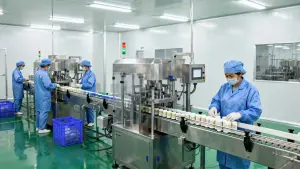
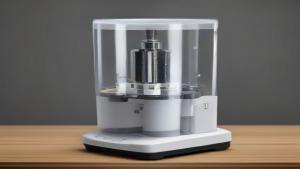
The gummy mass is cooked in jacketed kettles at controlled temperature, then transferred to a starch-depositing machine or Mogul line. Nozzles deposit the hot mass into molded starch trays at a defined weight tolerance, typically ±5%. Temperature control at this stage directly affects texture and active distribution.
How are gummies cured and finished?
Trays enter drying rooms held at 18-24°C and 35-45% relative humidity for 24 to 72 hours, depending on formula and target moisture. After curing, gummies are demolded, lightly oiled to prevent sticking, inspected for defects, and packaged into bottles, pouches, or bulk containers.
Key Factors That Affect Gummy MOQ and Lead Time
Several production variables directly influence your order size and timeline:
- Formula complexity: Single-active gummies are faster to scale than multivitamin or botanical blends.
- Tooling: Custom mold shapes require new tooling and add 2-4 weeks.
- Pectin vs gelatin: Pectin (vegan) lines run at different speeds and may have higher MOQs.
- Stability testing: New formulas need accelerated stability data before commercial runs.
- Packaging: Custom bottles or printed film extend lead time by 1-3 weeks.
Gummy OEM vs Other Dosage Forms at a Glance
| Factor | Gummies | Softgels | Tablets |
|---|---|---|---|
| Typical MOQ | 100,000-300,000 pcs | 500,000+ pcs | 200,000+ pcs |
| Lead time (first order) | 8-12 weeks | 10-14 weeks | 6-10 weeks |
| Active loading capacity | Low (50-250 mg) | High (250-1000 mg) | Medium (100-1000 mg) |
| Consumer appeal | Very high | High | Moderate |
| Stability challenge | High (moisture) | Low | Low |
Frequently Asked Questions
What is the typical MOQ for gummy supplement OEM?
Most manufacturers set gummy MOQ between 100,000 and 300,000 pieces per SKU. At SREKE, the exact figure depends on formula complexity, mold type, and packaging format.
How long does a first gummy production run take?
From approved formula to finished goods, a first order typically takes 8 to 12 weeks. This includes pilot batch, stability confirmation, tooling, commercial production, curing, and packaging.
Can SREKE produce vegan or pectin-based gummies?
Yes. SREKE supports both gelatin and pectin-based gummy formulations, including vegan-certified options, with appropriate texture and shelf-life testing.
What quality tests are run on gummies?
Standard QC includes active content assay, weight variation, microbial limits, heavy metals, texture testing, and moisture content. A certificate of analysis is provided for every batch.
Are sugar-free gummies available?
Yes. Sugar-free gummies using maltitol, erythritol, or allulose are available and increasingly popular among wellness-focused brands.
Can I use a custom gummy shape?
Custom shapes are supported but require dedicated mold tooling, which adds approximately 2-4 weeks to the initial lead time.
How to Get Started with SREKE
Gummy supplements offer strong consumer demand, but they require a manufacturing partner with real formulation depth and process control. SREKE provides end-to-end gummy OEM services covering formula development, pilot batches, commercial production, quality testing, and export-ready packaging. If you are looking for OEM/ODM/CDMO contract manufacturing services, please visit https://www.sreke.com/contact.php to submit your inquiry.
These statements have not been evaluated by the FDA. This content is for informational purposes only and is not intended to diagnose, treat, cure, or prevent any disease.