



Adaptogens have transitioned from a niche herbal category to a mainstream supplement segment, driven by widespread consumer interest in stress management, energy balance, and cognitive performance. For brands entering this space, understanding raw material quality variation, extraction methods, and formulation synergy is essential to creating effective products that stand out in a growing market.
Why Adaptogens Are a Strategic Category for Supplement Brands
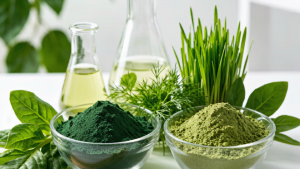
The adaptogen market has moved beyond ashwagandha to encompass a diverse range of herbs with stress-modulating properties. Rhodiola rosea (3% rosavin, 1% salidroside standardized) is preferred for physical endurance and mental fatigue, maca root (gelatinized for digestibility) supports energy and libido, holy basil (tulsi) offers broad adaptogenic support with antioxidant benefits. A 2025 market report showed that adaptogen combinations outsold single-ingredient products by 2.5:1, indicating consumer preference for comprehensive stress support formulas. The category benefits from strong repeat purchase behavior — 71% of adaptogen users report buying the same product within three months.
Key Factors When Choosing Adaptogen OEM Manufacturing
What are the key quality markers for adaptogen raw materials?
Unlike synthetic supplements, herbal adaptogens vary significantly in quality based on growing conditions, harvest timing, and extraction methods. Rhodiola rosea should be standardized to minimum 3% rosavins and 0.8-1% salidroside. Maca should be gelatinized (pre-gelatinized starch) for digestibility — raw maca powder causes digestive discomfort in many users. Holy basil extract is standardized to minimum 2.5% ursolic acid and 0.5% eugenol. Heavy metal testing is critical for root-based adaptogens grown in soil. SREKE sources adaptogens from certified organic farms and tests each lot for active marker compounds, heavy metals, and microbial purity before acceptance.
What dosage forms work best for adaptogen supplements?
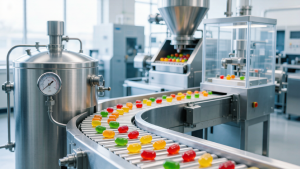
Capsules are the most common form, with vegetarian capsules (HPMC) preferred for the herbal-focused consumer base. Powder blends are popular for adaptogen stacks that users mix into beverages — maca blends particularly well in smoothies and coffee. Tinctures and liquid extracts offer fast absorption and dose adjustability but require preservatives and have shorter shelf life. Gummy adaptogens are emerging but challenging due to herbal taste profiles. SREKE offers capsules, powders, and liquid adaptogen manufacturing with custom flavor options for powder blends.
What is the typical MOQ for adaptogen products?
Capsules: 30,000-60,000 units per SKU. Powder blends: 200-500 kg. Liquid extracts: 1,000-3,000 liters. Lead times average 25-35 business days, with some rare adaptogen species requiring longer sourcing lead times during seasonal supply windows.
The Adaptogen OEM Manufacturing Process
Adaptogen manufacturing begins with raw material identity verification by HPTLC or HPLC fingerprinting. Herbal extracts are tested for marker compound concentration — for example, rhodiola extract should show a characteristic HPLC chromatogram matching the reference standard. Blending follows ingredient-specific protocols: powdered extracts are blended with flow agents (silica, magnesium stearate) in V-blenders at controlled humidity below 40% RH. Capsule filling uses dosator machines at 60,000-90,000 capsules per hour with weight checking every 15 minutes. For powder blends, ingredients are sifted through appropriate mesh screens (40-60 mesh) before blending to ensure uniform particle size and consistent flavor distribution. Finished products undergo identity testing by HPTLC fingerprint, marker compound quantification, heavy metals analysis, and microbial limits testing before release.
Single Adaptogen vs Adaptogen Stack — Comparison for Brand Owners
| Factor | Single Adaptogen | Adaptogen Stack (3-6 herbs) |
|---|---|---|
| Marketing clarity | Clear benefit (e.g., "Rhodiola for energy") | Broader positioning ("Stress support formula") |
| Formulation cost per serving | $0.10-0.25 | $0.30-0.70 |
| Clinical evidence support | Stronger (specific studies per herb) | Moderate (stack synergy less studied) |
| Target consumer | Informed adaptogen users | Newcomers seeking broad support |
| Serving size | 1-2 capsules | 2-4 capsules |
| Price premium potential | Moderate | High (premium blend positioning) |
Frequently Asked Questions
What is the difference between full-spectrum and standardized adaptogen extracts?
Full-spectrum extracts contain all compounds naturally present in the herb, while standardized extracts are concentrated to contain a minimum percentage of specific active markers. Standardized extracts offer batch-to-batch consistency, while full-spectrum advocates argue for entourage effects.
Can adaptogens be taken together with other supplements?
Yes. Adaptogens are generally compatible with vitamins, minerals, and other herbal supplements. However, rhodiola may enhance caffeine effects, and ashwagandha may enhance thyroid medication effects. A qualified formulator ensures safe combinations.
Are adaptogen supplements regulated as dietary supplements?
Yes, adaptogenic herbs are classified as dietary supplements in most markets. They cannot claim to diagnose, treat, cure, or prevent disease. Structure-function claims like "supports stress response" or "promotes energy balance" are permitted. These statements have not been evaluated by the Food and Drug Administration.
What certifications add value for adaptogen brands?
Organic certification (USDA Organic or EU Organic) is the most impactful, as adaptogen consumers strongly prefer organically sourced herbs. Non-GMO Project Verified, vegan certification, and sustainably sourced certifications also add market value.
What is the shelf life of adaptogen supplements?
Properly stored adaptogen capsules and powders have a shelf life of 24-36 months. Liquid tinctures typically last 12-24 months depending on the alcohol base and preservative system used.
How to Get Started with SREKE
SREKE offers OEM/ODM/CDMO services for adaptogen supplements in capsule, powder, and liquid formats. Our formulation team has expertise in herbal extract standardization, custom adaptogen stack development, and clean-label product development. We source certified organic raw materials and provide full traceability documentation with every batch.
If you are looking for OEM/ODM/CDMO contract manufacturing services, please visit https://www.sreke.com/contact.php to submit your inquiry.