









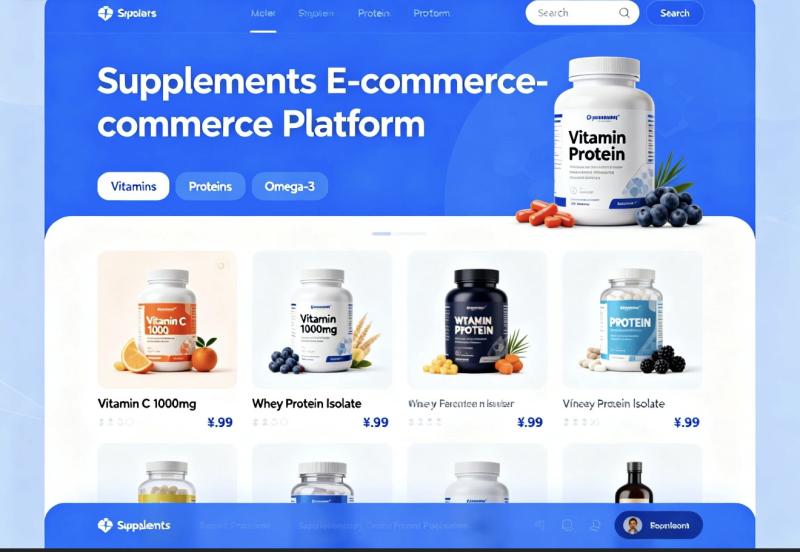
E-commerce is the primary sales channel for most supplement brands today. A well-optimized online store is essential for reaching consumers, building brand loyalty, and driving sales. This guide provides a comprehensive overview of e-commerce success for supplement brands, covering platform selection, website optimization, marketing, customer experience, and scaling.
The Supplement E-Commerce Landscape
The e-commerce landscape for supplements is dynamic and competitive.
Key Trends:
· Direct-to-Consumer (D2C) Growth: D2C sales are growing rapidly as brands seek to build direct relationships with consumers.
· Mobile Commerce: Mobile devices account for a significant and growing share of e-commerce sales.
· Social Commerce: Social media platforms (Instagram, TikTok, Facebook) are increasingly used for product discovery and purchasing.
· Subscription Models: Subscription models (subscribe and save) are popular for supplements, providing recurring revenue and customer loyalty.
· Personalization: Consumers expect personalized product recommendations and experiences.
· Amazon Dominance: Amazon remains a dominant force in supplement e-commerce, but D2C websites offer greater control.
Choosing the Right E-Commerce Platform
Your e-commerce platform is the foundation of your online store. Choosing the right platform is a critical decision.
Key Platforms:
· Shopify: A leading all-in-one platform, known for its ease of use, extensive app ecosystem, and robust features.
· BigCommerce: A powerful platform with strong built-in features, good for scaling businesses.
· WooCommerce (WordPress): An open-source platform that offers maximum flexibility and customization but requires more technical expertise.
· Custom Development: For brands with unique requirements, a custom-built website may be necessary but is the most expensive option.
Key Considerations When Choosing a Platform:
· Ease of Use: How easy is it to manage your store, products, and orders?
· Features: Does it have the features you need (e.g., subscription capabilities, reviews, marketing tools)?
· Scalability: Can it grow with your business?
· Cost: What are the monthly fees, transaction fees, and app costs?
· SEO Capabilities: Does it support effective SEO?
· Integrations: Does it integrate with your other tools (e.g., email marketing, accounting)?
· Security: Does it meet security standards (e.g., PCI compliance)?
Optimizing Your Website for Conversion
Your website should be designed to convert visitors into customers.
1. User Experience (UX) and Design:
· Mobile Optimization: Ensure your website is fully responsive and provides a seamless mobile experience.
· Navigation: Make navigation intuitive and easy. Use clear categories and search functionality.
· Load Speed: Optimize images and code to ensure fast loading times.
· Clean Design: Use a clean, professional design that builds trust and reflects your brand identity.
2. Product Pages:
· High-Quality Images: Use high-resolution images from multiple angles. Consider video and lifestyle images.
· Detailed Descriptions: Provide comprehensive product descriptions that highlight benefits, ingredients, and usage instructions.
· Clear Pricing: Make pricing clear and transparent.
· Customer Reviews: Display customer reviews and ratings prominently.
· Clear CTAs: Use clear and prominent "Add to Cart" and "Buy Now" calls-to-action.
3. Checkout Process:
· Streamlined Checkout: Minimize steps in the checkout process.
· Guest Checkout: Allow guest checkout (do not force account creation).
· Multiple Payment Options: Offer a variety of payment methods (credit cards, PayPal, Apple Pay, etc.).
· Transparent Shipping: Clearly state shipping costs and delivery times.
· Trust Signals: Display trust signals (security badges, guarantees) during checkout.
4. Trust and Credibility:
· About Us Page: Tell your brand story and highlight your mission and values.
· Quality and Certification: Clearly display certifications (GMP, NSF, Organic, etc.) and quality commitments.
· Contact Information: Make it easy for customers to contact you.
· FAQ Section: Address common questions and concerns.
· Money-Back Guarantee: Offer a satisfaction guarantee to reduce purchase risk.
Key Marketing Strategies for Supplement E-Commerce
1. Search Engine Optimization (SEO):
· Keyword Research: Target relevant keywords with high search volume and commercial intent.
· On-Page SEO: Optimize product titles, descriptions, meta tags, and URLs.
· Content Marketing: Create valuable content (blog posts, guides) to attract traffic and build authority.
· Link Building: Build high-quality backlinks from reputable sources.
2. Email Marketing:
· List Building: Build an email list through website pop-ups, lead magnets, and promotions.
· Welcome Series: Send a welcome series to new subscribers introducing your brand and products.
· Educational Content: Share valuable content, tips, and resources.
· Promotional Emails: Send product launches, promotions, and special offers.
· Abandoned Cart Emails: Send automated emails to recover abandoned carts.
· Customer Retention: Use email to nurture relationships and encourage repeat purchases.
3. Social Media Marketing:
· Platform Choice: Focus on platforms where your target audience is active (Instagram, Facebook, TikTok).
· Visual Content: Share high-quality visuals, lifestyle content, and behind-the-scenes content.
· Engagement: Respond to comments and messages, and participate in conversations.
· Paid Social: Use targeted social media advertising to reach new audiences.
4. Influencer Marketing:
· Identify Influencers: Partner with influencers who align with your brand and target audience.
· Authentic Promotion: Encourage authentic reviews and testimonials.
· Track Performance: Monitor engagement and sales generated by influencer campaigns.
5. Paid Advertising (PPC):
· Google Ads: Run targeted ads on Google for high-intent keywords.
· Social Media Ads: Run targeted ads on social media platforms.
· Retargeting: Retarget website visitors who did not convert.
Subscription and Recurring Revenue Models
Subscription models are highly effective in the supplement industry.
Benefits of Subscription:
· Predictable Revenue: Creates a stable, predictable revenue stream.
· Customer Loyalty: Builds customer loyalty and increases CLV (Customer Lifetime Value).
· Convenience: Provides convenience to customers who want to ensure they never run out.
· Reduced Churn: Reduces the risk of losing customers to competitors.
Implementing Subscriptions:
· Choose a Subscription App: Use a subscription app for your e-commerce platform (e.g., Shopify Subscriptions, Bold Subscriptions).
· Offer Incentives: Provide discounts or free shipping to incentivize subscription sign-ups.
· Flexible Options: Allow customers to customize frequency, products, and delivery.
· Easy Management: Make it easy for customers to manage their subscription (pause, modify, cancel).
Measuring and Optimizing Performance
Data is essential for optimizing your e-commerce performance.
Key E-Commerce Metrics:
· Traffic: Number of visitors to your website.
· Conversion Rate: Percentage of visitors who make a purchase.
· Average Order Value (AOV): Average amount spent per order.
· Customer Acquisition Cost (CAC): Cost to acquire a new customer.
· Customer Lifetime Value (CLV): Total revenue from a customer over their lifetime.
· Cart Abandonment Rate: Percentage of customers who add items to their cart but do not check out.
· Return on Ad Spend (ROAS): Revenue generated per dollar of advertising spend.
· Subscription Metrics: Subscription growth, churn rate, and retention rate.
How to Optimize:
· A/B Testing: Test different website elements (headlines, images, CTAs) to improve conversion rates.
· Analyze Checkout Funnel: Identify drop-off points in the checkout funnel and optimize.
· Track Marketing Performance: Track the performance of all marketing channels and allocate budget to what works.
· Monitor Customer Feedback: Use customer feedback to improve products and experience.
· Personalize: Use data to personalize product recommendations and marketing messages.
Common E-Commerce Pitfalls to Avoid
1. Poor Website Design and UX:
· Impact: A poorly designed website drives customers away.
· Solution: Invest in professional, user-friendly design.
2. Lack of Mobile Optimization:
· Impact: A significant portion of traffic comes from mobile; a poor mobile experience hurts sales.
· Solution: Ensure your website is fully mobile-responsive.
3. Complicated Checkout:
· Impact: A long or complicated checkout leads to cart abandonment.
· Solution: Streamline the checkout process; allow guest checkout.
4. Ineffective Product Pages:
· Impact: Product pages that do not persuade will not convert.
· Solution: Use high-quality images, detailed descriptions, and customer reviews.
5. Neglecting Customer Service:
· Impact: Poor customer service damages brand reputation and loyalty.
· Solution: Provide responsive, helpful customer service.
6. Ignoring Data:
· Impact: Without analyzing data, you cannot optimize your business.
· Solution: Track key metrics and use data to inform decisions.
The SREKE E-Commerce Support
At SREKE, we understand the importance of e-commerce success for supplement brands. While we are not an e-commerce agency, we can support your online sales by:
· Reliable Manufacturing: Ensuring you have a consistent supply of products to meet demand.
· Quality Assurance: Providing products that generate positive reviews and repeat purchases.
· Customizable Packaging: Helping you create packaging that looks great online and ships well.
· Supply Chain Support: Ensuring efficient fulfillment and delivery.
Ready to Build a Successful Supplement E-Commerce Brand?
E-commerce is a powerful channel for growing your supplement brand. By choosing the right platform, optimizing your website, and implementing effective marketing strategies, you can build a successful online business. Let SREKE support you with reliable, high-quality manufacturing.
Contact us today to discuss your e-commerce brand and manufacturing needs:
Click here to get in touch with our team or email us directly at [email protected]. Let's build your online success together.