




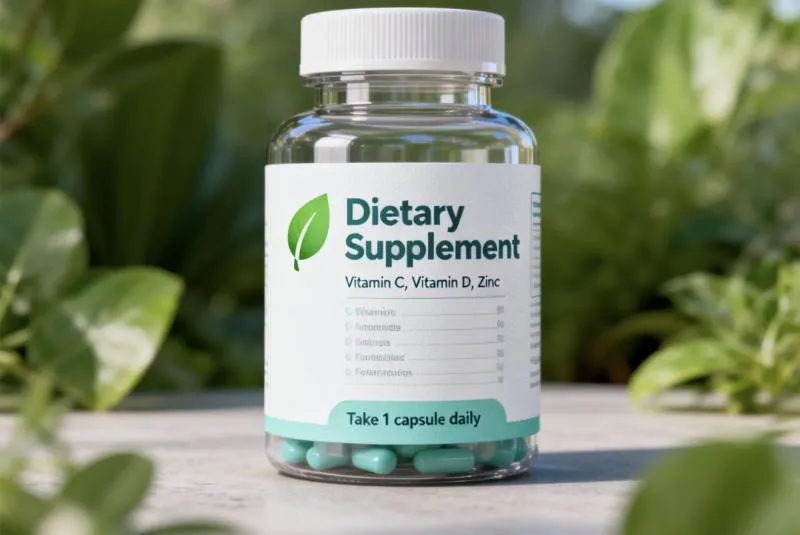
Starting a supplement brand is an exciting entrepreneurial journey. The health and wellness industry is thriving, and there is room for innovative, quality+focused brands. However, launching a successful supplement brand requires careful planning, knowledge, and execution. This beginner's guide provides a step+by+step roadmap to help you navigate the process from your initial idea to your first sale.
Why Start a Supplement Brand?
The dietary supplement industry offers compelling opportunities for entrepreneurs.
Key Motivations:
· Growing Market: The supplement industry is one of the fastest+growing sectors globally.
· Consumer Demand: Consumers are increasingly proactive about their health and wellness.
· Low Entry Barrier (Relatively): Compared to pharmaceuticals, the barrier to entry is lower.
· Scalability: Supplement brands can scale relatively quickly with the right strategy.
· Impact: You can make a positive impact on people's health and well+being.
· Profitability: With the right model, supplement brands can be highly profitable.
Step 1: Define Your Brand and Product Concept
This is the foundational stage where you clarify your vision.
1.1 Identify Your Niche and Target Audience:
· Niche: What specific health or wellness category will you focus on? (e.g., sports nutrition, women's health, sleep, immunity, beauty, gut health).
· Target Audience: Who is your ideal customer? Be specific about their demographics (age, gender, location) and psychographics (values, interests, health goals).
· Problem You Solve: What specific problem or need does your product address for this audience?
1.2 Develop Your Product Concept:
· Dosage Form: What format will your product take? (Softgels, capsules, tablets, gummies, powders, liquids).
· Key Ingredients: What are the active ingredients in your product?
· Unique Selling Proposition (USP): What makes your product different and better than the competition? (e.g., premium ingredients, unique formula, specific benefit, clean label).
· Brand Name and Identity: Choose a memorable and relevant brand name that resonates with your target audience.
1.3 Conduct Market Research:
· Competitor Analysis: Identify your competitors. What are their products, pricing, and marketing strategies? What are their strengths and weaknesses?
· Consumer Trends: What are the current trends in your chosen niche? What are consumers looking for?
· Feasibility: Is there a genuine demand for your product concept? Is it feasible to formulate and manufacture?
Step 2: Formulate and Source Your Product
This is where your product concept becomes a tangible reality.
2.1 Choose Your Manufacturing Partner:
· Research: Identify potential contract manufacturers that specialize in your dosage form.
· Evaluate: Assess their capabilities, quality certifications (GMP, FDA registration), and experience.
· Select: Choose a partner that aligns with your quality standards, budget, and communication style. Consider factors like MOQs (Minimum Order Quantities) and lead times.
2.2 Develop Your Formula:
· Ingredient Selection: Work with your manufacturer to select the specific forms and sources of your active ingredients.
· Formulation Development: Your manufacturer will develop a prototype formulation.
· Stability Testing: Conduct stability testing to determine the product's shelf life and ensure it remains potent and safe.
· Regulatory Review: Review the formula to ensure it is compliant with regulations in your target market.
2.3 Source Packaging and Labeling:
· Packaging: Select packaging materials that protect your product (e.g., bottles, pouches) and align with your brand image.
· Label Design: Design a label that is compliant with regulatory requirements, informative, and visually appealing.
· Printing and Production: Arrange for the printing and production of your labels and packaging.
Step 3: Ensure Regulatory Compliance
Compliance is a critical step that must not be overlooked.
3.1 Understand the Regulations:
· U.S. Market (FDA): Familiarize yourself with DSHEA, GMP regulations, and labeling requirements.
· Other Markets: If selling internationally, research the specific regulations for your target markets (e.g., EU, Canada, China, Southeast Asia).
3.2 Ensure Label Compliance:
· Supplement Facts Panel: Ensure your label includes a correctly formatted Supplement Facts panel.
· Other Required Information: Ensure all other required information (e.g., statement of identity, net quantity, manufacturer information) is correctly included.
· Disclaimer: Ensure the required FDA disclaimer is present.
3.3 Substantiate Your Claims:
· Truthful Claims: Ensure all claims are truthful and not misleading.
· Scientific Evidence: Base all claims on sound scientific evidence.
· No Disease Claims: Do not make claims that your product treats, cures, or prevents disease.
3.4 Consider Certifications:
· Relevant Certifications: Consider pursuing certifications like Non+GMO, Organic, or Halal, which can enhance your brand's credibility.
Step 4: Build Your Brand and Marketing Foundation
This step focuses on creating a brand that resonates with your target audience.
4.1 Develop Your Brand Identity:
· Visual Identity: Create a professional logo, color palette, and typography.
· Brand Voice: Define your brand's tone of voice (e.g., professional, friendly, empowering).
· Brand Story: Craft a compelling brand story that communicates your mission and values.
4.2 Create Your Website:
· E+Commerce Platform: Choose a user+friendly e+commerce platform (e.g., Shopify, BigCommerce).
· Website Design: Design a professional, mobile+optimized website.
· Product Pages: Create informative and compelling product pages with high+quality images and descriptions.
· About Us Page: Tell your brand story and build trust.
4.3 Build Your Marketing Strategy:
· Pre+Launch Marketing: Build an email list and generate excitement before your launch.
· Launch Campaign: Plan a launch campaign that includes social media, influencer marketing, and email marketing.
· Ongoing Marketing: Develop a long+term marketing plan that includes content marketing, social media engagement, and paid advertising.
Step 5: Plan Your Operations and Logistics
This step ensures you can efficiently get your product to customers.
5.1 Determine Your Sales Channels:
· Direct+to+Consumer (D2C): Selling through your own website.
· Wholesale/Retail: Selling to retailers and distributors.
· Amazon: Selling on Amazon.
· Multi+Channel: Combining multiple channels.
5.2 Establish Fulfillment Operations:
· Inventory Management: Determine how you will manage inventory.
· Order Fulfillment: Decide whether you will fulfill orders in+house, use a third+party logistics (3PL) provider, or have your manufacturer fulfill orders.
· Shipping: Determine your shipping partners and rates.
5.3 Set Up Financial Systems:
· Accounting: Set up an accounting system to track income and expenses.
· Payment Processing: Set up a payment processor for your website (e.g., Stripe, PayPal).
· Budgeting: Create a budget that accounts for all costs (product development, manufacturing, marketing, etc.).
Step 6: Launch and Iterate
This is the exciting stage where you bring your product to market.
6.1 Execute Your Launch:
· Launch Campaign: Implement your pre+planned launch marketing campaign.
· Customer Communications: Send launch announcements to your email list and social media followers.
· Monitor and Adjust: Monitor results and be prepared to adjust your strategy.
6.2 Gather Feedback:
· Customer Reviews: Actively encourage customers to leave reviews.
· Customer Surveys: Conduct surveys to gather feedback on the product and customer experience.
· Social Listening: Monitor social media for mentions and feedback.
6.3 Iterate and Improve:
· Product Improvements: Use feedback to consider product improvements.
· Marketing Optimization: Refine your marketing based on what is working and what is not.
· Scale: Plan for scaling production and marketing as you grow.
Common Pitfalls to Avoid as a Beginner
1. Underestimating Costs:
· Hidden Costs: Be aware of all costs, including formulation, testing, packaging, shipping, marketing, and regulatory fees.
· Realistic Budget: Create a realistic budget that includes a contingency for unexpected costs.
2. Rushing the Process:
· Important Steps: Do not skip critical steps like market research, stability testing, or label compliance.
· Quality Over Speed: Prioritize quality and compliance over speed.
3. Ignoring Regulatory Compliance:
· Consequences: Non+compliance can lead to fines, product seizures, and brand damage.
· Expert Advice: Seek expert advice on regulatory compliance.
4. Compromising on Quality:
· Brand Reputation: Compromising on quality can destroy your brand reputation.
· Trust: Consumers trust brands that prioritize quality.
5. Lack of Marketing Plan:
· Without Marketing: Even a great product will not sell without effective marketing.
· Plan Early: Develop your marketing strategy early in the process.
6. Poor Financial Management:
· Track Expenses: Track all expenses carefully.
· Cash Flow: Manage cash flow effectively.
The SREKE Beginner Brand Support
At SREKE, we understand the challenges of starting a new supplement brand. We are committed to supporting new entrepreneurs with:
· Flexible MOQs: We offer flexible minimum order quantities to help you start small.
· Expert Guidance: Our team can guide you through the formulation and manufacturing process.
· Quality Commitment: We prioritize quality at every step.
· Responsive Service: We provide responsive, personalized support.
Ready to Start Your Supplement Brand Journey?
Starting a supplement brand is a rewarding journey. With careful planning, quality products, and effective marketing, you can build a successful business that makes a positive impact. Let SREKE be your trusted manufacturing partner from the very beginning.
Contact us today to discuss your supplement brand idea:
Click here to get in touch with our team or email us directly at [email protected]. Let's start your journey to success together.