
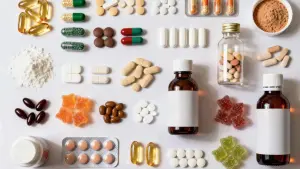



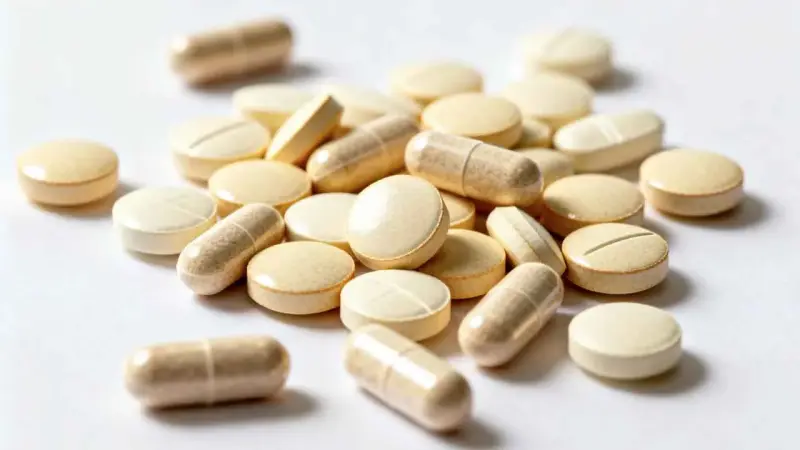
Tablets are one of the most traditional, versatile, and widely used dosage forms in the dietary supplement industry. They offer high ingredient loading capacity, excellent stability, and cost-effective production at scale. This guide provides a comprehensive overview of tablet supplement manufacturing, covering formulation, production processes, quality control, and market trends.
The Tablet Market: An Overview
Tablets remain a cornerstone of the supplement industry, trusted by consumers and manufacturers alike for their reliability and effectiveness.
Market Drivers:
Cost-Effectiveness: Tablet production is highly efficient, making it the most cost-effective solid dosage form for large-scale manufacturing.
High Ingredient Loading: Tablets can accommodate high doses of active ingredients, making them suitable for high-potency formulations.
Excellent Stability: Tablets are generally stable, with a long shelf life when properly formulated and packaged.
Versatility: Tablets can be formulated for immediate release, extended release, or enteric release.
Consumer Trust: Tablets are a familiar and trusted format for many consumers.
Challenges:
Swallowing Difficulties: Some consumers have difficulty swallowing tablets.
Taste Masking: Tablets may require coating or flavoring to mask unpleasant tastes.
Formulation Complexity: Tableting requires precise formulation to ensure proper compression and disintegration.
Tablet Types and Release Mechanisms
Tablets come in various forms, each designed for specific release characteristics.
1. Immediate-Release Tablets
These tablets are designed to disintegrate and release the active ingredient quickly upon ingestion. They are the most common type of tablet.
2. Extended-Release Tablets
Extended-release tablets release the active ingredient gradually over time, providing a sustained effect. This can improve compliance and reduce dosing frequency.
3. Enteric-Coated Tablets
Enteric-coated tablets have a special coating that resists stomach acid, allowing the tablet to pass through the stomach and release its contents in the intestine. This is useful for ingredients that are degraded by stomach acid.
4. Chewable Tablets
Chewable tablets are designed to be chewed before swallowing. They are popular for children's supplements and products that benefit from being taken without water.
5. Effervescent Tablets
Effervescent tablets dissolve in water, creating a fizzy solution that can be consumed as a beverage.
Key Ingredients in Tablet Formulations
Tablet formulations require a careful balance of active ingredients and excipients.
1. Active Ingredients
Active ingredients are the functional components of the tablet, providing the intended health benefits. These can include vitamins, minerals, botanicals, amino acids, and other compounds.
2. Excipients
Excipients are inactive ingredients that serve functional purposes.
Fillers/Diluents: Add bulk and weight to the tablet (e.g., microcrystalline cellulose, lactose, dicalcium phosphate).
Binders: Help hold the tablet together (e.g., povidone, starch, cellulose derivatives).
Disintegrants: Help the tablet break apart in the digestive tract (e.g., croscarmellose sodium, sodium starch glycolate).
Lubricants: Prevent the tablet from sticking to the compression tooling (e.g., magnesium stearate, stearic acid).
Glidants: Improve powder flowability (e.g., silicon dioxide).
Colorants: Provide color for identification and aesthetics (natural or artificial).
Flavorings: Improve taste, particularly for chewable tablets.
3. Coatings
Coatings are applied to tablets for various reasons.
Film Coatings: A thin polymer layer that protects the tablet, improves appearance, and can modify release.
Sugar Coatings: A thicker, sweeter coating used for chewable or consumer-preferred tablets.
Enteric Coatings: Protect the active ingredient from stomach acid.
Functional Coatings: Used for extended-release or controlled-release applications.
The Tablet Manufacturing Process
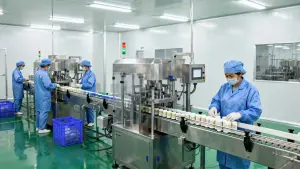
Tablet manufacturing is a multi-step process that requires precision and consistency.
1. Ingredient Preparation and Weighing
All ingredients are carefully weighed according to the formulation.
2. Blending/Mixing
The ingredients are thoroughly blended to create a homogeneous powder mixture. This is critical for ensuring consistent dosing.
3. Granulation
Granulation is a process that agglomerates powder particles into larger granules. This improves powder flowability, compressibility, and content uniformity.
Wet Granulation: A liquid binder is added to the powder, which is then dried and milled.
Dry Granulation: The powder is compacted and then milled into granules, without using liquid.
Direct Compression: Powder is compressed directly into tablets without granulation, suitable for formulations with good flow and compressibility.
4. Tablet Compression
The granules (or powder) are fed into a tablet press, which compresses them into tablets using punches and dies. The compression force determines tablet hardness and disintegration.
5. Coating
Tablets may be coated to improve appearance, taste, or release characteristics. The coating is applied in a coating pan or fluidized bed coater.
6. Quality Control Testing
Finished tablets are tested for hardness, thickness, weight variation, disintegration, dissolution, and potency.
7. Packaging
Tablets are packaged in bottles, blister packs, or other containers.
Quality Control in Tablet Manufacturing
Rigorous quality control is essential for ensuring the safety and efficacy of tablet supplements.
Key Quality Control Points:
Raw Material Testing: Identity, purity, potency, and contaminants.
In-Process Testing: Granule size, flowability, and moisture content.
Finished Product Testing: Hardness, thickness, weight variation, disintegration, dissolution, potency, and microbiological safety.
Critical Quality Attributes:
Hardness: Must be sufficient to withstand handling but not so hard as to impair disintegration.
Disintegration: The tablet must break down appropriately in the digestive tract.
Dissolution: The active ingredient must dissolve at the correct rate for absorption.
Content Uniformity: The active ingredient must be evenly distributed throughout the batch.
Common Tablet Formulation Challenges
Tablet formulation presents several challenges that require expertise to overcome.
1. Taste Masking
Some active ingredients have an unpleasant taste. Coating, flavoring, and complexation (e.g., with cyclodextrin) can mask bitterness.
2. Poor Flowability
Some powder blends do not flow well, leading to weight variation. Granulation and the use of glidants can improve flow.
3. Poor Compressibility
Some ingredients do not compress well, resulting in soft or friable tablets. Binders and proper formulation are essential.
4. Instability
Some ingredients are unstable and degrade over time. Stabilizers, antioxidants, and proper packaging are necessary.
5. Batch-to-Batch Consistency
Variability in raw materials or processing can lead to inconsistent product quality. Strict process control is essential.
Trends in Tablet Supplement Manufacturing
The tablet market is evolving, driven by consumer preferences and innovation.
1. Clean Label
Consumers are seeking tablets with natural, recognizable ingredients. Artificial colors, flavors, and preservatives are increasingly avoided.
2. Plant-Based and Vegan
Plant-based tablet formulations are in demand, avoiding animal-derived excipients.
3. Chewable Tablets
Chewable tablets, often in appealing flavors, are growing in popularity for both children and adults.
4. Advanced Release Technologies
Extended-release, enteric-coated, and other advanced release technologies are being more widely adopted.
5. Sustainability
Sustainable sourcing and eco-friendly packaging are becoming increasingly important.
6. Personalized Nutrition
Tablets are being developed for specific consumer segments and health conditions.
The SREKE Tablet Manufacturing Advantage
At SREKE, we have the expertise and manufacturing capabilities to produce high-quality, effective tablet supplements.
Our Tablet Capabilities:
Expert Formulation: We can develop formulations for a wide range of categories and release profiles.
Flexible Production: We can produce immediate-release, extended-release, chewable, and coated tablets.
Rigorous Quality Control: We test every batch for safety, potency, and consistency.
Clean Label Focus: We prioritize natural, recognizable ingredients.
Innovation: We stay abreast of market trends and can help you develop innovative products.
Ready to Enter the Tablet Supplement Market?
Tablets remain a trusted and effective dosage form for a wide range of supplements. Let SREKE help you develop and manufacture tablet products that consumers will trust and rely on.
Contact us today to discuss your tablet project:
Click here to get in touch with our team or email us directly at [email protected]. Let's press your success into shape.