


Softgel capsules represent one of the most advanced and effective delivery systems in the dietary supplement industry. They offer superior bioavailability, precise dosing, and excellent protection for sensitive ingredients. This guide provides a comprehensive overview of softgel supplement manufacturing, covering everything from formulation and production to quality control and market trends.
Understanding Softgel Technology
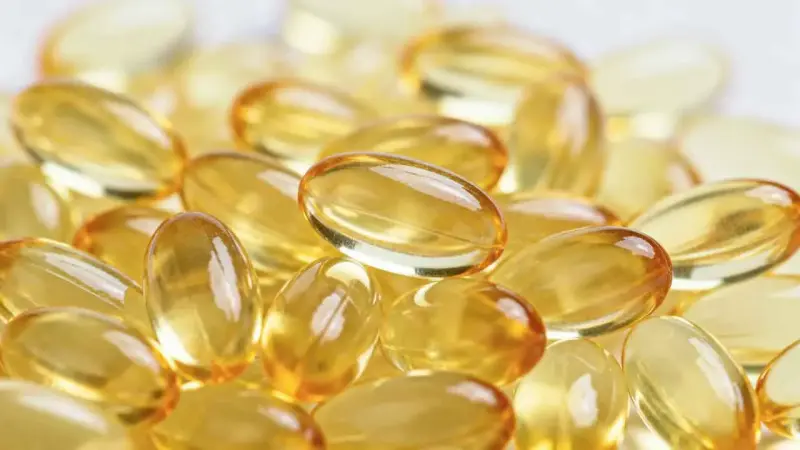
Softgels are a unique dosage form consisting of a liquid or semi-liquid fill enclosed in a one-piece, hermetically sealed gelatin or plant-based shell. The distinct characteristics of softgels offer significant advantages over other formats.
Structure of a Softgel:
Shell: Made from gelatin (or plant-based alternatives like starch or carrageenan), water, and plasticizers like glycerin or sorbitol.
Fill: Contains the active ingredients in a liquid, suspension, or paste form, often in a carrier oil.
How Softgels Are Formed:
Softgels are formed using a rotary die encapsulation process. The gelatin film is formed on rotating drums, and the fill is injected between two films. The dies cut and seal the softgels into the desired shape and size.
Advantages of Softgel Technology
Softgels offer several distinct advantages over other dosage forms.
1. Superior Bioavailability
The liquid fill in softgels allows for faster and more complete absorption compared to tablets or capsules. This is particularly important for fat-soluble nutrients like vitamins A, D, E, K, and omega-3 fatty acids.
2. Excellent Protection
The hermetically sealed shell protects sensitive ingredients from light, oxygen, and moisture, extending shelf life and maintaining potency.
3. Precise Dosing
Each softgel delivers a consistent, pre-measured dose, ensuring accuracy and eliminating variability.
4. Ease of Swallowing
Softgels are generally easier to swallow than tablets or hard capsules, making them a preferred choice for many consumers.
5. Masking of Unpleasant Odors and Tastes
The sealed shell can effectively mask the taste and odor of unpleasant ingredients.
6. Versatility
Softgels can be formulated for a wide range of active ingredients, including oils, suspensions, and pastes.
Key Ingredients in Softgel Formulations
The formulation of a softgel involves two distinct components: the shell and the fill.
1. Shell Components
Gelatin: The most common shell material, derived from bovine or porcine sources. It provides flexibility, strength, and a smooth texture.
Plant-Based Alternatives: Starch, carrageenan, or other plant-based polymers are used to create vegetarian/vegan softgels.
Plasticizers: Glycerin and sorbitol are added to make the shell flexible and prevent brittleness.
Water: Hydrates the gelatin or polymer.
Colorants: Natural or artificial colors are added for product differentiation.
Opacifiers: Titanium dioxide is added to make the shell opaque and protect light-sensitive fill ingredients.
2. Fill Components
Active Ingredients: The functional components of the supplement.
Carrier Oil: An oil base (e.g., MCT oil, sunflower oil, fish oil) that suspends or dissolves the active ingredients.
Suspending Agents: Ingredients like beeswax or lecithin that keep the fill uniform.
Antioxidants: Protect against oxidation (e.g., vitamin E, rosemary extract).
Flavorings: Added to mask the taste of the oil or active ingredients.
The Softgel Manufacturing Process
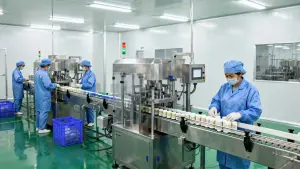
Softgel manufacturing is a specialized process requiring precision and expertise.
1. Preparation of Fill Material
The active ingredients are blended with the carrier oil and other excipients to create a uniform liquid or suspension. The mixture may be heated and deaerated to remove air bubbles.
2. Preparation of Shell Material
Gelatin or plant-based polymer is mixed with water and plasticizers, heated, and deaerated to create a molten gel mass.
3. Encapsulation (Rotary Die Process)
The gel mass is spread onto rotating drums to form two thin films. The fill material is injected between these films as they pass between two rotating dies. The dies simultaneously cut and seal the softgels, forming them into the desired shape.
4. Drying
The softgels are conveyed to a drying room to reduce their moisture content. Drying conditions (temperature and humidity) are carefully controlled to achieve the desired hardness and stability.
5. Inspection
Softgels are inspected for defects, such as leaks, deformation, or discoloration. Automated inspection systems are commonly used.
6. Coating and Polishing
A light coating of oil or wax may be applied to prevent sticking and improve appearance.
7. Packaging
The finished softgels are packaged in bottles, blister packs, or other containers.
Quality Control in Softgel Manufacturing
Quality control is essential for ensuring the safety, efficacy, and consistency of softgels.
Key Quality Control Points:
Raw Material Testing: Shell and fill ingredients are tested for identity, purity, and potency.
In-Process Testing: Gel mass viscosity, fill weight, and sealing integrity are monitored.
Finished Product Testing: Softgels are tested for potency, disintegration, dissolution, and microbial safety.
Stability Testing: To establish shelf life and ensure product integrity over time.
Critical Quality Attributes:
Seal Integrity: The seal must be complete to prevent leakage and contamination.
Content Uniformity: The active ingredient must be evenly distributed in the fill.
Disintegration: The softgel must break down appropriately in the digestive tract.
Common Softgel Formulation Challenges
Softgel formulation presents several unique challenges.
1. Ingredient Compatibility
The active ingredient must be compatible with the carrier oil, shell material, and other excipients to prevent leakage or degradation.
2. Oil-Based Formulations
Oil-based fills are susceptible to oxidation and rancidity. Antioxidants are essential.
3. Heat Sensitivity
Softgel manufacturing involves heat. Heat-sensitive ingredients must be carefully managed.
4. Shell Stability
The shell can be affected by moisture, temperature, and storage conditions.
5. Fill Volume
The fill capacity of a softgel is limited by its size. High-dose ingredients may require multiple softgels.
Trends in Softgel Supplement Manufacturing
The softgel market is evolving, driven by consumer demand and innovation.
1. Plant-Based Softgels
Plant-based softgels (starch or carrageenan-based) are growing in popularity, appealing to vegetarians, vegans, and religiously observant consumers.
2. Enhanced Bioavailability
Technologies like self-emulsifying drug delivery systems (SEDDS) and liposomal delivery are being incorporated into softgels to enhance bioavailability.
3. Clean Label
Consumers are seeking softgels with simple, recognizable ingredients.
4. Targeted Shapes and Colors
Brands are using custom shapes and colors to differentiate their products.
5. Sustainability
Sustainable sourcing of gelatin and other ingredients is becoming more important.
6. Combination Products
Softgels are being developed with multiple active ingredients for comprehensive benefits.
7. Enteric Coating
Enteric-coated softgels, which resist stomach acid and release in the intestine, are gaining interest.
The SREKE Softgel Manufacturing Advantage
At SREKE, we have the expertise and manufacturing capabilities to produce high-quality, effective softgel supplements.
Our Softgel Capabilities:
Expert Formulation: We can develop formulations for a wide range of active ingredients and health benefits.
Plant-Based Options: We offer plant-based softgel shells for vegetarian, vegan, and other consumer preferences.
Rigorous Quality Control: We test every batch for safety, potency, and consistency.
Flexible Production: We can produce softgels in various shapes, sizes, and colors.
Innovation: We stay abreast of market trends and can help you develop innovative products.
Ready to Enter the Softgel Supplement Market?
Softgels represent a superior delivery system for a wide range of supplements. Let SREKE help you develop and manufacture softgel products that consumers will trust and prefer.
Contact us today to discuss your softgel project:
Click here to get in touch with our team or email us directly at [email protected]. Let's encapsulate your success.