


Liquid supplements offer distinct advantages in terms of bioavailability, ease of consumption, and flexibility in dosing. From liquid vitamins and herbal extracts to ready-to-drink shots and functional beverages, the liquid supplement market continues to grow as consumers seek convenient and fast-absorbing formats. This guide provides a comprehensive overview of liquid supplement manufacturing for brand owners.
The Liquid Supplement Market: An Overview
Liquid supplements occupy a unique position in the dietary supplement market, offering several compelling benefits.
Market Drivers:
Superior Bioavailability: Liquids are absorbed more quickly and efficiently than solid dosage forms, as they require no digestion breakdown.
Ease of Consumption: Liquids are ideal for individuals who have difficulty swallowing pills, including the elderly and children.
Flexible Dosing: Liquid formats allow for easy adjustment of serving sizes.
Versatility: Liquids can be formulated as shots, droppers, sprays, or ready-to-drink beverages.
Palatability: With advanced flavoring systems, liquids can be made to taste great.
Challenges:
Ingredient Stability: Many active ingredients are less stable in aqueous environments.
Preservation: Liquids are susceptible to microbial growth and require preservatives.
Packaging: Liquids require specialized, often more expensive, packaging.
Taste and Mouthfeel: Liquid formulations can present taste and texture challenges.
Key Ingredients in Liquid Formulations
The formulation of a liquid supplement requires careful attention to ingredient solubility, stability, and compatibility.
1. Active Ingredients
Active ingredients are the functional components of the liquid, providing the intended health benefits.
Vitamins: Water-soluble vitamins like B-complex and vitamin C are well-suited for liquids. Fat-soluble vitamins like A, D, E, and K require emulsification or liposomal delivery.
Minerals: Minerals like magnesium, zinc, and calcium can be incorporated, often in chelated forms for better solubility.
Botanical Extracts: Liquid extracts of herbs like elderberry, echinacea, and ginseng are common.
Other Actives: Amino acids, omega-3 oils, collagen, and probiotics can be formulated into liquids.
2. Solvents and Carriers
The solvent or carrier is the base of the liquid formulation.
Water: The most common and cost-effective solvent.
Glycerin: A humectant that adds sweetness and improves texture.
Propylene Glycol: A solvent that enhances solubility.
Alcohol: Used in herbal tinctures for extraction and preservation.
Oils: Used for oil-based formulations, particularly for fat-soluble ingredients.
3. Excipients
Excipients serve functional purposes in the formulation.
Emulsifiers: Stabilize oil and water mixtures (e.g., lecithin, polysorbates).
Preservatives: Prevent microbial growth (e.g., potassium sorbate, sodium benzoate).
Sweeteners: Provide sweetness (e.g., sugar, stevia, monk fruit).
Flavorings: Enhance taste (natural and artificial).
Colorings: Improve visual appeal.
Thickeners: Improve mouthfeel (e.g., xanthan gum, cellulose).
4. pH Adjusters
Acids and bases are used to control the pH of the formulation, which can impact stability and taste.
5. Antioxidants
Antioxidants like vitamin E and rosemary extract protect against oxidation.
The Liquid Manufacturing Process
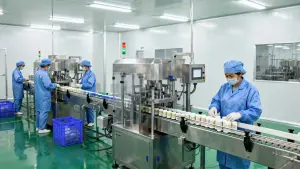
The manufacturing process for liquid supplements involves several key stages.
1. Ingredient Receiving and Quality Control
All raw materials are received, sampled, and tested for identity, purity, and potency.
2. Weighing and Dispensing
Ingredients are carefully weighed according to the formulation.
3. Mixing and Homogenization
The ingredients are mixed together to create a homogeneous solution or suspension. This may involve:
Simple Mixing: For readily soluble ingredients.
High-Shear Mixing: For dispersing powders or creating emulsions.
Homogenization: For creating stable emulsions and reducing particle size.
4. pH Adjustment and Stabilization
The pH is adjusted as needed, and stabilizers are added.
5. Heating and Pasteurization
The liquid may be pasteurized or heat-treated to reduce the microbial load. This step must be carefully controlled to avoid degrading heat-sensitive ingredients.
6. Cooling and Addition of Heat-Sensitive Ingredients
Heat-sensitive ingredients are added after the formulation has cooled.
7. Filtration
The liquid is filtered to remove particulates and ensure clarity.
8. Filling and Packaging
The liquid is filled into bottles, vials, pouches, or stick packs. The packaging must provide an appropriate barrier to light, moisture, and oxygen.
9. Quality Control Testing
Finished product testing is conducted to confirm potency, purity, and safety.
Formulation Considerations for Liquid Supplements
Developing a successful liquid supplement requires careful attention to several formulation factors.
1. Solubility and Bioavailability
Active ingredients must be adequately soluble or suspended to ensure consistent dosing and bioavailability.
2. Stability
Liquids are susceptible to degradation through hydrolysis, oxidation, and microbial growth. Stabilizers, antioxidants, and preservatives are essential.
3. Taste and Palatability
Taste is a major factor in consumer acceptance. Effective flavoring and sweetening are critical.
4. Texture and Mouthfeel
The texture should be pleasant. Thickeners and emulsifiers can improve mouthfeel.
5. Shelf Life
Liquids generally have a shorter shelf life than solid dosage forms. Stability testing is essential to establish a safe and effective shelf life.
Types of Liquid Supplements
The liquid supplement market encompasses several distinct product types.
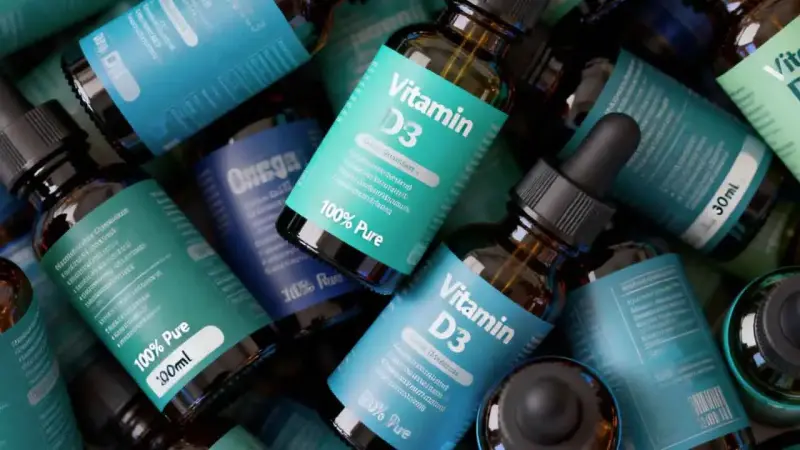
1. Liquid Drops and Tinctures
These are concentrated liquids typically taken with a dropper. They are often used for herbs, botanicals, and specialty nutrients.
2. Liquid Shots
Liquid shots are single-serving, concentrated liquid supplements designed for quick consumption. They are popular for energy, immunity, and wellness.
3. Ready-to-Drink (RTD) Beverages
RTD supplements are packaged in bottles or cans and are ready for immediate consumption. They are common for protein shakes, meal replacements, and functional waters.
4. Syrups and Elixirs
These are sweetened, often flavored liquids. They are popular for children's supplements and cough/cold remedies.
Trends in Liquid Supplement Manufacturing
The liquid supplement market is evolving rapidly.
1. Clean Label
Consumers are seeking liquids with natural flavors, colors, and sweeteners. Avoiding artificial additives is a key trend.
2. Sugar-Free and Low-Sugar Options
Sugar-free and low-sugar formulations are increasingly in demand.
3. Plant-Based Liquids
Plant-based ingredients and vegan certifications are growing in popularity.
4. Functional Shots
Concentrated shots targeting specific benefits (energy, immunity, focus) are a popular format.
5. Sustainable Packaging
Recyclable and sustainable packaging materials are becoming increasingly important.
6. Enhanced Bioavailability
Technologies like liposomal delivery are being used to enhance the bioavailability of active ingredients.
7. Probiotic and Prebiotic Liquids
Liquid formulations for gut health are gaining popularity.
The SREKE Liquid Manufacturing Advantage
At SREKE, we have the expertise and manufacturing capabilities to produce high-quality, consumer-appealing liquid supplements. Our liquid manufacturing capabilities include:
Expert Formulation: We can develop liquids for a wide range of categories and applications.
High-Quality Ingredients: We source premium ingredients for optimum taste, texture, and efficacy.
Flexible Production: We can produce liquids in various packaging formats.
Rigorous Quality Control: We test every batch for safety, potency, and consistency.
Innovation: We stay abreast of market trends and can help you develop innovative, differentiated products.
Ready to Enter the Liquid Supplement Market?
Liquid supplements represent a significant opportunity for brands seeking to offer fast-absorbing, convenient, and customizable products. Let SREKE help you develop and manufacture liquid supplements that consumers will appreciate.
Contact us today to discuss your liquid supplement project:
Click here to get in touch with our team or email us directly at [email protected]. Let's bring your liquid vision to life.