









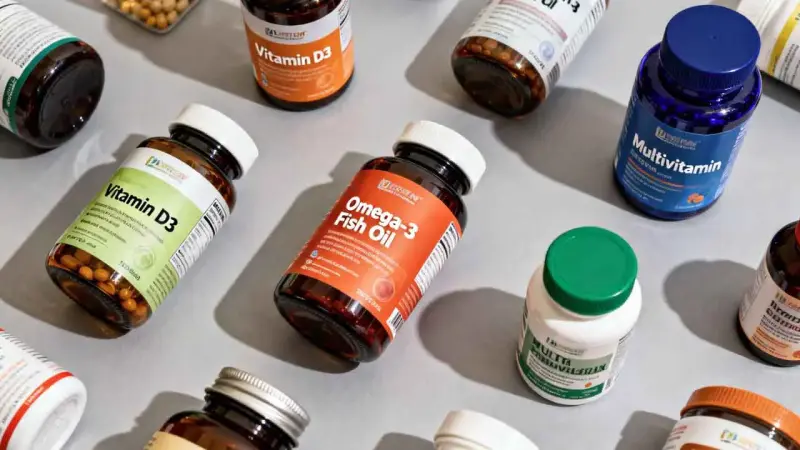
The dietary supplement industry is in a state of continuous evolution, driven by changing consumer preferences, scientific advancements, and global events. For brand owners, staying ahead of these trends is not optional—it is essential for remaining competitive and relevant. This guide explores the key trends shaping the future of the supplement industry and provides insights on how brands can adapt and thrive.
Trend 1: Personalization and Precision Nutrition
Personalization is one of the most significant trends in the supplement industry. Consumers are moving away from one-size-fits-all products and seeking solutions tailored to their specific needs, genetics, and lifestyles.
1. DNA-Based Supplementation
Advances in genetic testing have made it possible to identify individual nutritional needs based on genetic markers. Brands are increasingly offering supplements formulated to address specific genetic predispositions, such as vitamin D metabolism or folate processing.
2. At-Home Testing and Custom Formulas
Direct-to-consumer testing kits allow consumers to assess their nutrient levels, gut microbiome, or hormone balance from home. These results are then used to formulate personalized supplement regimens delivered directly to the consumer.
3. Customized Delivery Formats
Beyond ingredient selection, personalization extends to dosage forms. Some consumers prefer gummies, while others prefer powders or liquids. Offering multiple formats for the same formulation allows consumers to choose what works best for them.
4. Life Stage and Lifestyle Targeting
Brands are developing products targeting specific life stages (pregnancy, menopause, healthy aging) and lifestyle needs (athletic performance, stress management, sleep support). This targeted approach resonates with consumers seeking solutions to their specific challenges.
5. The Challenge for Brand Owners
Personalization presents both an opportunity and a challenge. It requires sophisticated manufacturing capabilities, flexible production lines, and advanced data management. Brands that can deliver personalized solutions will have a significant competitive advantage.
Trend 2: Functional Ingredients and Novel Actives
Consumers are increasingly seeking supplements with specific, targeted benefits. This has driven demand for innovative and specialized ingredients.
1. Adaptogens and Stress Management
Adaptogenic herbs like ashwagandha, rhodiola, and holy basil have surged in popularity as consumers seek natural ways to manage stress and support mental well-being.
2. Mushroom-Based Supplements
Functional mushrooms like reishi, lion's mane, cordyceps, and chaga are gaining mainstream acceptance. They are being formulated for immune support, cognitive function, and energy.
3. Postbiotics and Advanced Probiotics
The gut health category continues to evolve. Beyond traditional probiotics, interest in postbiotics (the beneficial compounds produced by probiotics) and spore-forming probiotics is growing.
4. Collagen and Protein Innovations
Collagen remains a dominant ingredient, but the market is expanding to include marine collagen, plant-based collagen builders, and protein blends with specific amino acid profiles.
5. Nootropics and Cognitive Health
Supplements designed to enhance focus, memory, and mental clarity are becoming increasingly popular, particularly among professionals and students.
6. The Regulatory Challenge
Novel ingredients often face regulatory hurdles. Bringing an innovative ingredient to market requires a thorough understanding of regulatory requirements, including Novel Food applications and GRAS (Generally Recognized as Safe) determinations.
Trend 3: Sustainability and Ethical Sourcing
Sustainability has moved from a niche concern to a mainstream expectation. Consumers are demanding products that are good for them and good for the planet.
1. Sustainable Ingredient Sourcing
Brands are increasingly expected to know the origin of their ingredients and ensure they are sourced sustainably. This includes avoiding ingredients linked to deforestation, overfishing, or unethical labor practices.
2. Eco-Friendly Packaging
As discussed in the previous guide, packaging is a focus for sustainability efforts. Brands are moving toward recyclable, compostable, or reusable packaging materials.
3. Carbon-Neutral Manufacturing
Some brands are committing to carbon-neutral manufacturing by reducing emissions and offsetting unavoidable impacts through verified carbon offset programs.
4. Supply Chain Transparency
Consumers want to know where their products come from. Transparency throughout the supply chain builds trust and differentiates brands in a crowded market.
5. The Circular Economy
The concept of the circular economy—where materials are kept in use for as long as possible—is gaining traction. This includes designing products for recyclability and using recycled materials.
6. The Cost of Sustainability
Sustainable practices often come with higher costs. Brands must balance these costs against consumer willingness to pay and the potential for differentiation and brand loyalty.
Trend 4: Clean Label and Transparency
Consumers are paying closer attention to ingredient lists and demanding products they can understand and trust.
1. Clean Label Defined
A clean label generally means a short ingredient list with recognizable, natural ingredients. Consumers are increasingly avoiding artificial colors, flavors, preservatives, and sweeteners.
2. Non-GMO and Organic
Non-GMO and organic certifications are becoming table stakes for many consumers. These certifications provide a trusted framework for clean label claims.
3. Allergen-Free and Dietary-Friendly
Products free from common allergens (gluten, dairy, soy, nuts) and suitable for specific diets (vegan, paleo, keto) are increasingly in demand.
4. No "Proprietary Blends"
The supplement industry has historically used proprietary blends that do not disclose individual ingredient amounts. Consumers are increasingly skeptical of this practice and demanding full disclosure.
5. The Challenge of Taste and Texture
Clean label formulations can present challenges for taste and texture. Natural flavors and colors may not perform as well as their synthetic counterparts, requiring careful formulation expertise.
Trend 5: Digital and Direct-to-Consumer (D2C) Growth
The way consumers buy supplements is changing. The shift to digital commerce is accelerating, and brands need to adapt their strategies accordingly.
1. The D2C Model
Direct-to-consumer sales allow brands to capture more margin, build deeper relationships with consumers, and gather valuable data. This model is particularly well-suited to subscription-based supplement regimens.
2. E-Commerce and Social Commerce
Online sales, including through platforms like Amazon and social media channels (Instagram Shopping, TikTok Shop), are driving significant growth. Brands need a robust digital presence.
3. The Importance of Content
Educational content is critical for D2C success. Consumers want to understand the "why" behind a product before making a purchase. Content marketing is a powerful tool for building trust and driving sales.
4. Subscription Models
Subscription models provide predictable revenue, reduce customer acquisition costs, and improve customer lifetime value. Many brands are successful with monthly or quarterly delivery programs.
5. Data-Driven Personalization
Digital channels allow brands to collect data on consumer preferences and behavior. This data can be used to personalize marketing, product recommendations, and even product development.
Trend 6: The Convergence of Food and Supplements
The line between food and supplements is blurring. Consumers are seeking functional benefits from everyday foods and beverages.
1. Functional Foods and Beverages
Foods and beverages infused with vitamins, minerals, adaptogens, and other functional ingredients are gaining popularity. This trend is particularly strong in the beverage category, including sparkling water, coffee, and tea.
2. Gummies and Confectionery
As we have discussed, gummies are a dominant format, effectively merging the supplement and confectionery categories.
3. Snackification
Consumers are increasingly snacking throughout the day. Supplement brands are responding with convenient, on-the-go formats that fit into this lifestyle.
4. The Regulatory Challenge
The convergence of food and supplements presents regulatory complexities. The regulatory framework for functional foods differs from that for supplements, and brands must navigate these boundaries carefully.
Trend 7: Immune Health and Prevention
The COVID-19 pandemic has permanently increased consumer focus on immune health and preventative wellness.
1. Sustained Immune Health Focus
Immune health remains a top priority for consumers. This has driven demand for well-established ingredients like vitamin C, vitamin D, zinc, and elderberry.
2. The Gut-Immune Connection
The link between gut health and immune function is well established. This connection has boosted demand for probiotics, prebiotics, and postbiotics.
3. Immune Resilience
Consumers are increasingly interested in long-term immune resilience—supporting their body's ability to respond to challenges naturally.
4. Holistic Health
Immune health is now viewed as part of a holistic approach to wellness. This includes stress management, sleep support, and overall metabolic health.
How to Stay Ahead in a Rapidly Changing Industry
The supplement industry is dynamic and fast-moving. To stay ahead, brands must:
1. Stay Informed
Follow industry publications, attend trade shows, and monitor regulatory changes. The landscape can shift quickly.
2. Listen to Your Consumers
Consumer preferences are constantly evolving. Regular market research and direct customer feedback are essential for staying attuned to change.
3. Invest in Innovation
Innovation is key to differentiation and growth. This includes investment in R&D, new technologies, and novel ingredients.
4. Build a Resilient Supply Chain
A resilient supply chain is essential for navigating disruptions and maintaining product availability.
5. Partner with a Forward-Thinking CDMO
Your manufacturing partner should be a strategic partner, not just a supplier. A CDMO that stays abreast of trends and invests in capabilities can help you bring innovative products to market quickly and efficiently.
SREKE: Your Partner for the Future
At SREKE, we are committed to staying ahead of industry trends and providing our brand partners with the insights and capabilities they need to succeed. Our commitment to innovation, quality, and sustainability positions us as a trusted partner for brands navigating the changing supplement landscape.
The future of your supplement brand starts today. Let's shape it together.
Contact us to learn how we can help you stay ahead of the trends:
Click here to get in touch with our team or email us directly at [email protected]. Let's talk about your future.