







A robust and resilient supply chain is the invisible foundation of every successful supplement brand. While consumers see the finished product on the shelf, what they do not see is the complex network of suppliers, manufacturers, and logistics providers that bring that product to life. For brand owners, understanding supply chain management is essential to ensuring product consistency, quality, and reliability. This guide explores the key components of supplement supply chain management, from ingredient sourcing to final delivery.
The Anatomy of a Supplement Supply Chain
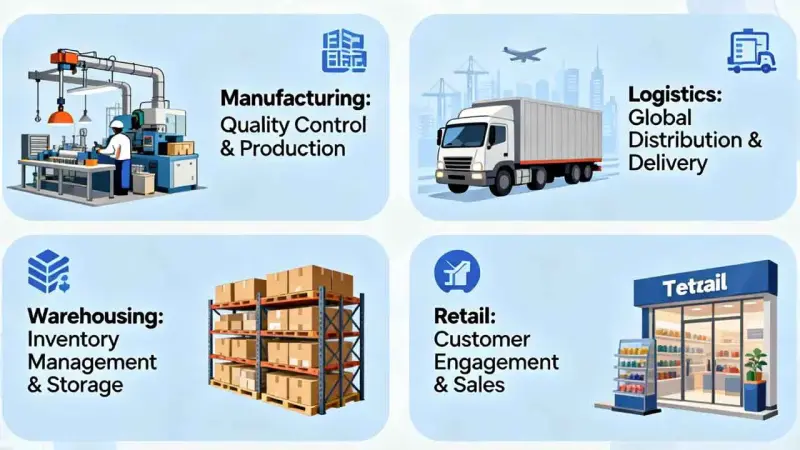
The supplement supply chain is a multi-stage process that transforms raw materials into finished, packaged products ready for consumers. Each stage presents its own challenges and opportunities.
1. Raw Material Sourcing and Procurement
The supply chain begins with the sourcing of raw ingredients. This is arguably the most critical stage, as the quality of the finished product is directly dependent on the quality of its ingredients.
2. Manufacturing and Production
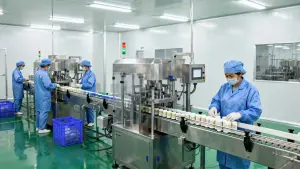
Raw materials are transformed into finished products through manufacturing processes that vary by dosage form. This includes blending, encapsulation, tableting, coating, and packaging.
3. Quality Control and Testing
Quality control is integrated throughout the supply chain, from raw material testing to finished product release. This ensures that every product meets safety, potency, and purity specifications.
4. Warehousing and Inventory Management
Finished products are stored in warehouses prior to distribution. Effective inventory management ensures product availability while minimizing storage costs and obsolescence risk.
5. Logistics and Distribution
Products are transported from the manufacturing facility to distribution centers, retailers, or directly to consumers. This stage involves complex considerations of cost, speed, and product integrity.
Raw Material Sourcing: The Foundation of Quality
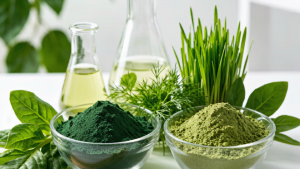
The quality of your supplement is determined by the quality of its ingredients. Strategic sourcing is therefore the most important element of supply chain management.
1. Ingredient Selection and Specification
The first step is selecting the specific ingredients for your formula. This involves choosing between different forms of an ingredient (e.g., magnesium citrate vs. magnesium oxide), evaluating purity and potency, and determining the appropriate supplier.
2. Supplier Qualification
Not all suppliers are equal. A rigorous supplier qualification process is essential to ensure ingredient quality and supply reliability. This process includes:
Auditing: On-site audits of supplier facilities to verify quality management systems.
Certifications: Verification of relevant certifications like ISO, GMP, or organic certification.
Testing: Testing of initial samples for identity, purity, potency, and contaminants.
Reference Checks: Checking the supplier's history and reputation within the industry.
3. Supplier Relationship Management
Building strong relationships with key suppliers is essential for long-term supply chain stability. This involves clear communication, collaborative planning, and a commitment to shared quality goals.
4. Supply Chain Diversification
Relying on a single supplier creates significant risk. A supply disruption from that supplier could halt production entirely. Diversifying across multiple qualified suppliers provides a buffer against disruptions and improves negotiating leverage.
5. Strategic Ingredient Stockpiling
For critical, hard-to-source, or high-demand ingredients, maintaining a strategic buffer stock can protect against supply disruptions. This is particularly important for ingredients with long lead times or seasonal availability.
Manufacturing and Production Planning
Efficient manufacturing and production planning ensure that products are produced on time and to specification.
1. Production Scheduling
Production is scheduled based on demand forecasts, raw material availability, and production capacity. Effective scheduling minimizes downtime, optimizes resource utilization, and ensures timely delivery.
2. Capacity Management
Understanding and managing production capacity is essential to meet demand without overcommitting or underutilizing resources. This involves monitoring production capabilities and planning for capacity expansion when necessary.
3. Process Optimization
Continuous improvement of manufacturing processes reduces costs, improves quality, and increases efficiency. This involves analyzing production data and implementing best practices.
4. Quality Control Integration
Quality control must be integrated into the production process, not simply performed at the end. In-process testing and monitoring catch issues early, preventing large-scale quality failures.
Quality Assurance: The Non-Negotiable Element
Quality assurance is the thread that runs through every stage of the supply chain. It is the system of procedures and activities that ensure the product meets its specifications consistently.
1. Raw Material Testing
Every batch of incoming raw materials must be tested for identity, purity, potency, and contaminants. This ensures that only high-quality ingredients enter the production process.
2. In-Process Testing
During manufacturing, regular testing is performed to ensure product consistency. This includes blend uniformity, weight variation, and disintegration testing.
3. Finished Product Testing
Every batch of finished product must undergo comprehensive testing. This includes a Certificate of Analysis (COA) that confirms the product meets all specifications.
4. Stability Testing
Stability testing is conducted to determine the product's shelf life and ensure it remains potent and safe throughout its intended shelf life.
5. Environmental Monitoring
The manufacturing environment must be regularly monitored for temperature, humidity, and contamination. This ensures that conditions are maintained to protect product quality.
Logistics and Fulfillment
The final stage of the supply chain is delivering the product to the customer.
1. Transportation and Shipping
Products must be transported in a way that protects their integrity. This includes temperature-controlled shipping for temperature-sensitive products, proper packaging to prevent physical damage, and efficient routing to minimize transit time.
2. Warehousing
Warehousing involves storing finished products until they are shipped to customers. Proper inventory management includes First-In, First-Out (FIFO) practices to ensure older stock is shipped first, and adherence to appropriate storage conditions (temperature, humidity, light).
3. Order Fulfillment
Order fulfillment is the process of picking, packing, and shipping orders to customers. Efficiency and accuracy are critical. This involves clear processes, well-trained staff, and sometimes automation.
4. Third-Party Logistics (3PL)
Many brands utilize third-party logistics providers to manage warehousing and fulfillment. This can offer cost efficiencies and access to specialized expertise.
Managing Supply Chain Risk
The supplement supply chain is exposed to various risks that can disrupt operations and impact brand reputation.
1. Supplier Risk
Supplier risk includes the potential for a supplier to fail to deliver, deliver substandard ingredients, or go out of business. This is mitigated through supplier diversification, qualification, and relationship management.
2. Commodity Price Volatility
The prices of raw materials, particularly agricultural commodities, can be volatile. This impacts product costs and margins. Hedging strategies and long-term contracts can help manage price risk.
3. Regulatory Risk
Changes in regulations can impact ingredient availability, manufacturing processes, or labeling requirements. Staying informed about regulatory developments is essential for proactive risk management.
4. Logistics Risk
Logistics risks include shipping delays, damaged goods, and disruptions to transportation networks. Diversifying logistics providers and building in buffer time can help manage these risks.
5. Geopolitical and Natural Disaster Risk
Geopolitical events, natural disasters, and global health emergencies can disrupt supply chains at any point. While these are challenging to predict, building a resilient supply chain can minimize their impact.
The SREKE Supply Chain Advantage
At SREKE, we have developed a robust and resilient supply chain designed to support the needs of global supplement brands. Our supply chain management approach includes:
Vertically Integrated Sourcing: Strong relationships with leading ingredient suppliers worldwide.
Rigorous Quality Assurance: Comprehensive testing at every stage of the supply chain.
Flexible Manufacturing Capacity: Capability to scale production to meet growing demand.
Reliable Logistics: Proven logistics partners ensure timely and secure delivery.
Supply Chain Transparency: Clear visibility into the entire supply chain process.
Building a Resilient Supply Chain for Your Brand
Your supply chain is the backbone of your brand. Investing in a resilient, high-quality supply chain is essential for long-term success. By understanding the key components of supply chain management and partnering with a CDMO that prioritizes supply chain excellence, you can build a brand that consumers trust and rely upon.
Ready to Secure Your Supplement Supply Chain?
A resilient supply chain is essential for your brand's success. Let SREKE help you build a supply chain that delivers quality, consistency, and reliability.
Contact us today to discuss your supply chain needs:
Click here to get in touch with our team or email us directly at [email protected]. We're ready to support your brand's growth.