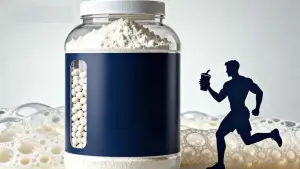








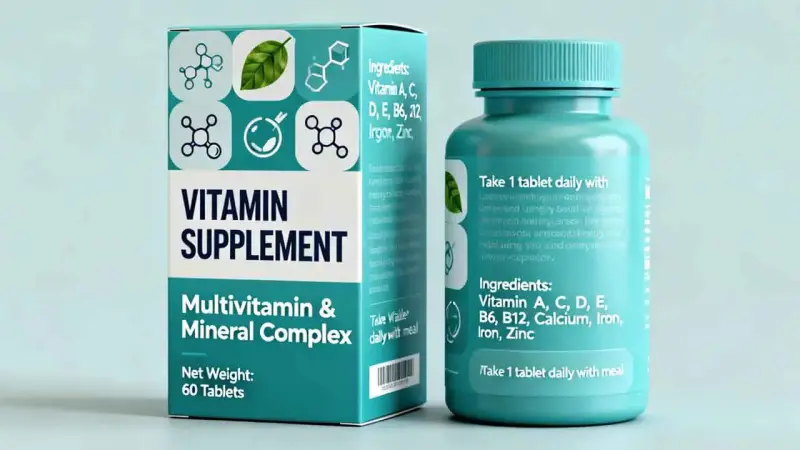
Packaging is far more than a container for your supplement product. It is the first physical touchpoint between your brand and the consumer, a critical component of product protection and stability, and a key element of regulatory compliance. Effective supplement packaging strategy must balance aesthetics, functionality, safety, and sustainability. This guide explores the essential elements of supplement packaging, including material selection, design considerations, compliance requirements, and sustainability trends.
Primary Functions of Supplement Packaging
Before delving into specific packaging options, it is important to understand the four primary functions that packaging must fulfill.
1. Product Protection
The most fundamental function of packaging is to protect the product from environmental factors that can degrade quality. This includes protecting against moisture, oxygen, light, temperature fluctuations, and physical damage during shipping and handling.
2. Information Delivery
Packaging serves as the primary vehicle for communicating with consumers and regulatory authorities. It must clearly display the product name, ingredient list, Supplement Facts panel, dosage instructions, warnings, and manufacturer information in the required format.
3. Brand Communication
Packaging is the face of your brand. It communicates your brand values, attracts consumer attention on the shelf, and builds recognition and trust. Design, color, typography, and materials all contribute to your brand identity.
4. Consumer Convenience
Packaging should be functional and user-friendly. This includes ease of opening, resealability, portability, and clear usage instructions. A positive consumer experience increases the likelihood of repeat purchase.
Supplement Packaging Material Options
The choice of packaging material impacts product stability, cost, sustainability, and consumer perception.
1. High-Density Polyethylene (HDPE) and Polyethylene Terephthalate (PET) Bottles
HDPE and PET are the most common materials for supplement bottles. They are lightweight, durable, and cost-effective. Both materials provide good moisture barriers, and PET offers excellent clarity for products where visual appeal is important. HDPE is more impact-resistant and provides a superior moisture barrier, making it suitable for moisture-sensitive products.
Key Considerations:
Both HDPE and PET are widely recyclable.
PET provides superior clarity for visual product appeal.
HDPE offers better moisture protection.
Dark-colored bottles (amber or blue) provide UV light protection.
2. Glass Bottles
Glass conveys a premium, high-quality image. It is chemically inert and provides an absolute barrier to moisture and oxygen, making it ideal for products highly sensitive to environmental factors.
Key Considerations:
Glass is heavier and more fragile than plastic, increasing shipping costs and breakage risk.
Glass is more expensive than plastic options.
Glass is infinitely recyclable and perceived as a premium, sustainable material.
It provides no UV protection without an additional coating or dark coloring.
3. Blister Packaging
Blister packs consist of a cavity (usually made of plastic) sealed with a foil or paper backing. They are commonly used for tablets and capsules and offer several advantages:
Key Considerations:
Excellent Protection: Each unit dose is individually sealed and protected.
Tamper Evidence: Blister packaging provides clear visual evidence of tampering.
Dosage Compliance: Individual dosages are separated, helping consumers track their intake.
Portability: Blister packs are lightweight and portable.
Material Considerations: The combination of plastic and aluminum makes traditional blister packs difficult to recycle.
4. Pouches and Stick Packs
Pouches and stick packs are gaining popularity for powders, liquids, and even solid dose supplements. They offer convenience, portability, and a modern, on-trend aesthetic.
Key Considerations:
Portability: Stick packs are ideal for single-serve, on-the-go consumption.
Lightweight and Cost-Effective: Pouches weigh less than bottles and reduce shipping costs.
Reduced Packaging Waste: They typically use less material than bottles.
Material Limitations: Some materials may not provide adequate moisture or oxygen barriers for all products.
Recyclability: Many multi-layer pouches are not currently recyclable.
5. Emerging Sustainable Materials
There is a growing trend toward sustainable packaging materials driven by consumer demand and regulatory pressures.
Post-Consumer Recycled (PCR) Plastic: Bottles made from recycled plastic reduce reliance on virgin materials and demonstrate a commitment to sustainability.
Bio-Based Plastics: Materials derived from renewable sources like sugarcane or corn are gaining attention as an alternative to petroleum-based plastics.
Compostable Materials: For specific product formats, compostable films and pouches are being developed and introduced.
Paper and Cardboard: Increasingly used for boxes, cartons, and as components of primary packaging where product protection is less critical.
Labeling Requirements: A Regulatory Imperative
Regulatory compliance is non-negotiable in supplement labeling. Failure to comply with labeling requirements can result in significant fines, product recalls, and market access denial.
1. The Supplement Facts Panel
In the U.S. market, the Supplement Facts panel is the most critical element of the label. It must follow a specific format and include:
Serving Size: The amount of product that constitutes one serving.
Amount Per Serving: The quantity of each active ingredient in the serving size.
% Daily Value: The percentage of the recommended daily intake provided by the product.
List of Ingredients: All active ingredients, along with any other ingredients in descending order of weight.
2. Statement of Identity
The label must clearly and prominently identify the product as a dietary supplement. This is typically the product's brand or trade name.
3. Net Quantity of Contents
The label must accurately state the net weight, volume, or number of units in the package.
4. Manufacturer/Distributor Information
The label must include the name and address of the manufacturer, packer, or distributor.
5. Allergen and Dietary Restrictions
Any common allergens (e.g., soy, dairy, gluten, peanuts) must be clearly declared. Certifications such as Non-GMO, Organic, Vegan, or Halal may be displayed, provided they are verifiable.
6. Required Disclaimer
The following disclaimer must appear on all supplements marketed in the U.S.:
"This statement has not been evaluated by the Food and Drug Administration. This product is not intended to diagnose, treat, cure, or prevent any disease."
Tamper-Evident Packaging
Tamper-evident packaging is a legal requirement in many markets, including the U.S. It is designed to provide visible evidence that a package has been opened or tampered with, ensuring consumer safety and trust.
Common tamper-evident features include:
Shrink Bands: Heat-shrink plastic bands that cover the bottle cap or neck.
Breakable Seals: Seals that break when the package is first opened.
Blisters: Individual unit-dose packages.
Sealed Pouches: Pouches that must be torn or cut open.
Sustainability in Supplement Packaging
Consumer demand for sustainable packaging has never been higher. Brands that demonstrate environmental responsibility differentiate themselves in a crowded market.
1. Reduce Material Use
Design packaging to minimize material usage without compromising product protection. This can include lightweighting bottles, reducing carton size, or eliminating unnecessary outer packaging.
2. Use Recycled and Recyclable Materials
Choose materials that are widely recyclable, such as PET and HDPE. Incorporate post-consumer recycled content to reduce environmental impact and close the recycling loop.
3. Educate Consumers
Use your packaging to educate consumers on how to recycle your packaging correctly. Clear and accurate recycling instructions can significantly increase the likelihood of proper disposal.
4. Consider End-of-Life
Design packaging with the end-of-life in mind. Is it recyclable, compostable, or reusable? This consideration is a core element of sustainable design and responsible business practice.
The SREKE Packaging Advantage
At SREKE, we offer a comprehensive range of packaging solutions designed to protect your product, enhance your brand, and ensure global compliance. Our packaging services include:
Expert Guidance: Support in selecting the right materials and designs for your product and target market.
Compliance Assurance: Our team ensures your labels meet the regulatory requirements of your target market.
Sustainable Options: We offer a growing range of sustainable packaging materials to meet consumer expectations.
Integrated Service: From bottle filling to blister sealing, we manage the entire packaging process.
Ready to Package Your Supplement for Success?
Packaging is a strategic decision that affects product quality, brand image, and market success. Let SREKE guide you in choosing the right packaging solution for your product.
Contact us today to discuss your packaging needs:
Click here to get in touch with our team or email us directly at [email protected]. Your packaging journey starts with a conversation.