





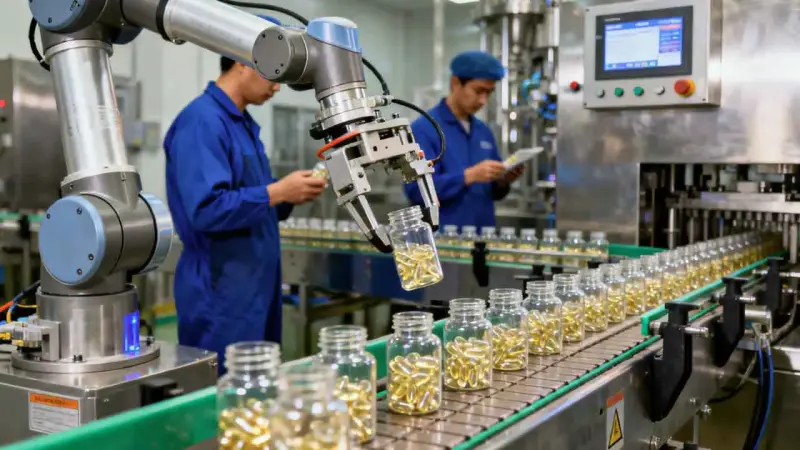
Quality control is the backbone of any successful dietary supplement brand. In an industry where consumer trust is paramount, a single quality failure can irreparably damage your reputation. For brand owners, understanding the key quality checkpoints—from raw material sourcing to finished product release—is essential to protect your consumers, your brand equity, and your business. This checklist outlines the critical quality control measures every responsible brand should demand from their manufacturing partner.
Phase 1: Raw Material Quality Control
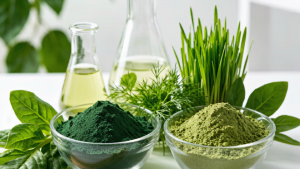
Quality begins with the raw ingredients you put into your product. The most sophisticated manufacturing process cannot compensate for substandard starting materials. A robust quality control program must verify every ingredient before it enters the production floor.
1. Supplier Qualification and Auditing
Before any ingredient is accepted, the supplier must undergo a rigorous qualification process. This includes evaluating their manufacturing practices, quality management systems, and inspection history. Regular supplier audits ensure ongoing compliance with standards.
2. Identity Verification
Every incoming raw material must be tested to confirm its identity. Using techniques such as High-Performance Liquid Chromatography (HPLC), Fourier-Transform Infrared Spectroscopy (FTIR), or Thin-Layer Chromatography (TLC), the manufacturer must verify that the material received is indeed the ingredient specified on the purchase order.
3. Purity and Potency Testing
Raw materials must be tested to ensure they meet their specified purity and potency levels. This involves checking for the presence of unwanted byproducts, residual solvents, and verifying the active ingredient concentration matches the certificate of analysis provided by the supplier.
4. Heavy Metals and Contaminant Screening
All ingredients, especially those derived from plant or mineral sources, must be screened for heavy metals such as lead, arsenic, mercury, and cadmium. Testing for microbiological contaminants like E. coli, Salmonella, yeast, and mold is also mandatory.
5. Pesticide and Herbicide Residue Testing
For botanicals and plant-derived ingredients, testing for pesticide and herbicide residues is crucial. This ensures the final product is safe for consumption and compliant with regulatory maximum residue limits.
6. GMO and Allergen Status Verification
If your product requires non-GMO or allergen-free status, the raw materials must be tested and certified accordingly. This includes screening for common allergens like soy, dairy, gluten, and peanuts.
Phase 2: In-Process Quality Control
Quality control does not stop at the receiving dock. Continuous monitoring during the manufacturing process is essential to ensure consistency and identify potential issues before they become widespread problems.
1. Blend Uniformity Testing
For powder blends used in tablets, capsules, or powder products, blend uniformity testing is critical. This ensures that the active ingredients are evenly distributed throughout the entire batch, guaranteeing consistent dosing in every single serving.
2. Weight Variation Checks
During the encapsulation or tableting process, regular weight checks are performed. All tablets or capsules must fall within an acceptable weight range to ensure consistent dosing.
3. Hardness and Friability Testing
For tablets, hardness and friability tests determine if the tablet will withstand the rigors of packaging, shipping, and handling without breaking or crumbling. This ensures the product arrives to the consumer intact.
4. Disintegration and Dissolution Testing
Disintegration testing ensures that tablets and capsules will break down properly in the digestive tract, releasing their active ingredients. For certain formulations, dissolution testing is required to verify that the active ingredient dissolves at the correct rate.
5. Moisture Content Analysis
Moisture content must be carefully controlled throughout the manufacturing process. Excessive moisture can lead to microbial growth, ingredient degradation, and premature expiration.
6. Environmental Monitoring
The manufacturing environment itself must be monitored for temperature, humidity, and particulate contamination. This is particularly critical for liquid and gummy production, where environmental conditions can significantly impact product quality.
Phase 3: Finished Product Testing
Before any product leaves the facility, it must undergo a comprehensive battery of tests to confirm it meets all quality and safety specifications.
1. Full Certificate of Analysis (COA)
Each batch of finished product must have a comprehensive COA issued by an accredited laboratory. This document confirms that the product has been tested and meets all specifications for identity, potency, purity, and safety.
2. Potency Assay
The finished product is tested to confirm that the active ingredients are present at the levels declared on the label. This ensures your product delivers exactly what it promises to consumers.
3. Microbiological Testing
Every finished batch is tested for harmful microorganisms, ensuring it is safe for human consumption. This includes testing for total aerobic count, yeast and mold, and specific pathogens.
4. Heavy Metals and Contaminant Retesting
Even after raw material testing, finished products are retested for heavy metals and other contaminants. This provides an additional layer of safety assurance.
5. Stability Testing
Stability testing is conducted to determine the shelf life of the product. This involves storing the product under various temperature and humidity conditions to monitor its integrity over time. The results of these tests establish the product's expiration date.
6. Packaging Integrity Testing
The finished packaging is also tested to ensure it provides adequate protection. This includes checking for proper seals on bottles and blister packs to prevent moisture, light, and oxygen from degrading the product.
Phase 4: Documentation and Traceability
A comprehensive quality control system is only as good as its documentation. Complete traceability is essential for managing quality issues and building consumer trust.
1. Full Traceability
Every ingredient used in a batch must be traceable back to its original source. This allows for swift and efficient recall processes if a quality issue is ever identified.
2. Batch Records
Detailed batch records must be maintained for every production run. These records document every step of the manufacturing process, including the raw materials used, processing conditions, and in-process test results.
3. Deviation and Corrective Action Reports
If any test results fall outside of specification, a deviation report is generated. A thorough investigation is conducted to determine the root cause and implement corrective actions to prevent recurrence.
4. Retention Samples
Samples from every finished batch should be retained for a period beyond the product's expiration date. This allows for further investigation if any quality issues are reported.
Phase 5: Regulatory Audits and Compliance
Compliance with regulatory standards is not optional. It is a fundamental requirement for market access and consumer safety.
1. GMP Certification
The manufacturing facility must hold current Good Manufacturing Practice (cGMP) certification from a recognized regulatory body. In the U.S., this is enforced by the FDA. In other markets, certifications like ISO 22000 or HACCP are common requirements.
2. FDA Facility Registration
If you are selling into the U.S. market, the manufacturing facility must be registered with the FDA. This is a mandatory regulatory requirement.
3. Regular Third-Party Audits
To maintain consumer and regulatory trust, quality systems should be validated by regular, independent third-party audits. These audits are essential for maintaining certifications and ensuring continuous improvement.
4. Complaint Handling and Recall Procedures
A robust quality management system includes clear procedures for handling consumer complaints and initiating product recalls if necessary. This demonstrates a commitment to consumer safety and regulatory compliance.
The SREKE Quality Advantage
At SREKE, we pride ourselves on a comprehensive, multi-layered approach to quality control that safeguards your brand reputation and consumer trust. Our commitment to quality is embedded in everything we do.
Our quality assurance program includes:
Ingredient Verification: All raw materials undergo rigorous identity, purity, and potency testing before acceptance.
In-Process Monitoring: Continuous monitoring during manufacturing ensures batch-to-batch consistency.
Finished Product Testing: Every batch receives a comprehensive COA confirming safety, potency, and purity.
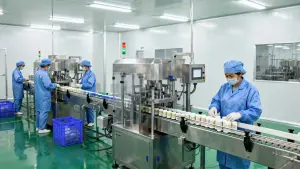
GMP-Compliant Facility: Our manufacturing facility is fully registered and compliant with all applicable regulations.
Global Regulatory Expertise: We guide you through the complexities of FDA, EU, and international compliance.
Quality is Your Brand's Most Important Asset
In the competitive supplement industry, quality is what differentiates trusted brands from the rest. By implementing rigorous quality control measures and partnering with a CDMO that prioritizes quality, you protect your consumers and build a brand that stands the test of time.
Partner with SREKE for quality you can count on.
Click here to get in touch with our team or email us directly at [email protected]. Let's discuss how our quality-first approach can support your brand success.