


Why Sublingual Supplement Manufacturing Matters for Supplement Brands
At SREKE, we see sublingual delivery systems becoming a cornerstone of next-generation supplement brands. Unlike traditional oral capsules, sublingual formulations allow active ingredients to absorb directly through the mucous membranes under the tongue, bypassing first-pass liver metabolism. This pathway can support higher bioavailability for select compounds and faster onset of action — factors that brand owners increasingly highlight in product positioning.
From a regulatory standpoint, sublingual supplements in the United States are generally regulated as dietary supplements under the Dietary Supplement Health and Education Act (DSHEA) of 1994. Ingredients must be dietary ingredients as defined in 21 CFR 201.31, and products must comply with current Good Manufacturing Practices (cGMP) under 21 CFR Part 111. In the European Union, sublingual products may fall under the Food Supplements Directive 2002/46/EC or, in some cases, novel food regulations under Regulation (EU) 2015/2283 if they contain ingredients not consumed significantly before May 1997. At SREKE, we ensure every sublingual project is assessed against the appropriate regulatory framework before development begins.
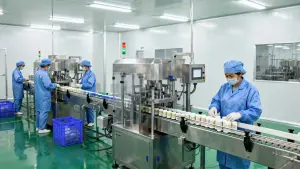
Manufacturing sublingual products presents distinct technical challenges. Moisture control is critical — many sublingual films and fast-dissolving tablets are hygroscopic and require controlled-environment production. Packaging must provide high moisture barrier protection, often using aluminized blisters or desiccant-sealed bottles. At SREKE, our GMP-certified facility in Guangzhou maintains ISO-classified cleanrooms with independent humidity control specifically for hygroscopic and sublingual product lines.
Key Manufacturing Considerations at SREKE
When we develop sublingual supplement manufacturing programs for brand owners, we evaluate several critical factors that directly impact compliance, quality, and time-to-market.
Formulation Design and Bioavailability
Sublingual formulations typically take the form of orally dissolvable films, fast-dissolving tablets, liquid sprays, or sublingual drops. The choice of delivery format depends on the active ingredient's solubility profile, stability, and the desired dose. At SREKE, our R&D team works with brand owners to select excipients that are GRAS-listed where applicable and compatible with the sublingual route. We consider factors such as mucoadhesive polymers, taste-masking agents, and pH modifiers to support palatability and performance without compromising regulatory compliance.
GMP and Quality System Compliance
All sublingual manufacturing at SREKE operates under our GMP-certified quality management system, aligned with FDA 21 CFR Part 111, EU GMP guidelines, and ISO 22000 food safety management standards. Our HACCP plan addresses critical control points unique to sublingual products, including raw material verification, in-process moisture monitoring, and finished-product dissolution testing. Each batch is released only after passing identity, potency, purity, and microbial specifications. We maintain full traceability from ingredient receipt through finished-goods shipment.
Packaging and Stability
Sublingual products are among the most packaging-sensitive formats in the supplement industry. At SREKE, we recommend high-barrier packaging solutions such as aluminum foil laminates, desiccant-integrated bottles, and unit-dose blister packs. We conduct real-time and accelerated stability studies per ICH guidelines to establish shelf life and storage conditions. Our stability data supports accurate labeling claims and helps brand owners avoid regulatory questions regarding product degradation.
Regulatory Documentation and Compliance Support
We provide comprehensive compliance documentation including Certificates of Analysis (CoA), GMP certificates, ingredient specifications, and formulation dossiers. For U.S. market entries, we support brand owners with FDA facility registration and dietary supplement establishment listing requirements. For EU market entries, we assist with novel food ingredient verification and compliance with EFSA health claim regulations. At SREKE, we do not make therapeutic or disease-treatment claims — all product labeling language is reviewed for regulatory appropriateness.
How SREKE Helps You Get to Market Faster
At SREKE, we understand that speed to market is a competitive advantage. Our sublingual manufacturing programs are designed to move efficiently from concept to shelf without sacrificing compliance or quality.
Streamlined OEM and ODM Development
Brand owners can choose between our ODM program, where we offer pre-developed sublingual formulations that can be customized, or our OEM program, where we manufacture to your exact specification. Our ODM portfolio includes sublingual film and fast-dissolving tablet formats covering popular ingredient categories such as vitamin B12, melatonin, vitamin C, and adaptogenic extracts — all selected for their suitability to sublingual delivery. For each ODM formula, we maintain complete regulatory dossiers to accelerate your market entry.
Flexible MOQ and Scalable Production
We recognize that supplement brands operate at different stages of growth. Our sublingual manufacturing MOQ is designed to be accessible for emerging brands while remaining efficient for established companies. Production scalability is built into our facility design, allowing seamless transition from pilot batches to full commercial runs. Contact our team to discuss your projected volumes and timeline.
Lead Time and Project Management
Our typical sublingual supplement manufacturing lead time ranges from 8 to 14 weeks for new formulations and 4 to 8 weeks for ODM-based projects, depending on complexity, packaging requirements, and regulatory documentation needs. Each project is assigned a dedicated account manager who provides regular progress updates and maintains clear communication throughout the development cycle.
Quality Assurance and Testing
Every sublingual product manufactured at SREKE undergoes rigorous in-process and finished-product testing. Our quality control protocols include dissolution testing, content uniformity analysis, microbial screening, heavy metal testing, and stability monitoring. We use calibrated equipment and validated test methods to ensure consistent, reproducible results that meet or exceed industry standards.
Industry Trends and Market Opportunities
The global sublingual supplement market continues to grow as consumers seek convenient, fast-acting formats. At SREKE, we observe several trends shaping brand strategies:
- Orally dissolvable film formats are gaining traction due to their portability, precise dosing, and ease of use — particularly among younger consumers and on-the-go demographics.
- Bioavailability-focused formulations are becoming a key differentiator, with brands highlighting the sublingual absorption pathway in marketing communications.
- Clean-label demand is driving reformulation efforts, with brand owners requesting fewer excipients and naturally derived film-forming agents.
- Regulatory scrutiny is increasing globally, making compliance-ready manufacturing partners essential for sustainable brand growth.
At SREKE, we stay current with evolving regulatory guidance from the FDA, EFSA, and other international authorities. Our compliance team monitors updates to dietary supplement regulations, novel food lists, and health claim approvals to ensure our manufacturing programs remain aligned with the latest requirements.
Frequently Asked Questions
What regulatory standards apply to sublingual supplements?
In the United States, sublingual supplements are regulated as dietary supplements under DSHEA and must comply with FDA cGMP regulations (21 CFR Part 111). In the European Union, they may be regulated as food supplements under Directive 2002/46/EC, and products containing novel ingredients require authorization under Regulation (EU) 2015/2283. At SREKE, we guide brand owners through the applicable regulatory pathway for each target market.
What is the typical MOQ for sublingual supplement manufacturing?
Our MOQ varies by product format and complexity. We work with brands at all stages, from emerging companies to established enterprises. Contact our team for specific MOQ information relevant to your project requirements.
How does SREKE ensure product stability for sublingual formats?
We conduct stability testing according to ICH guidelines, evaluating products under recommended storage conditions and accelerated conditions. Our controlled-environment manufacturing and high-barrier packaging recommendations help maintain product integrity throughout the labeled shelf life.
Can SREKE help with international regulatory compliance?
Yes. We support brand owners entering multiple markets by providing compliance documentation, ingredient verification, and formulation adjustments as needed. Our team stays informed about regulatory developments in key markets including the United States, European Union, Southeast Asia, and the Middle East.
What documentation do you provide for sublingual supplement projects?
We provide GMP certificates, Certificates of Analysis, ingredient specifications, formulation dossiers, and stability data. For U.S. market entries, we support FDA facility registration and establishment listing requirements. All documentation is maintained in our quality management system and available upon request.
Ready to launch your supplement brand? SREKE provides GMP-certified OEM/ODM manufacturing for softgels, capsules, tablets, powders, gummies, and liquids. Contact us for a free quote or email [email protected] — we respond within 24 hours.