



Why 3D Printing Supplements Technology Matters for Supplement Brands
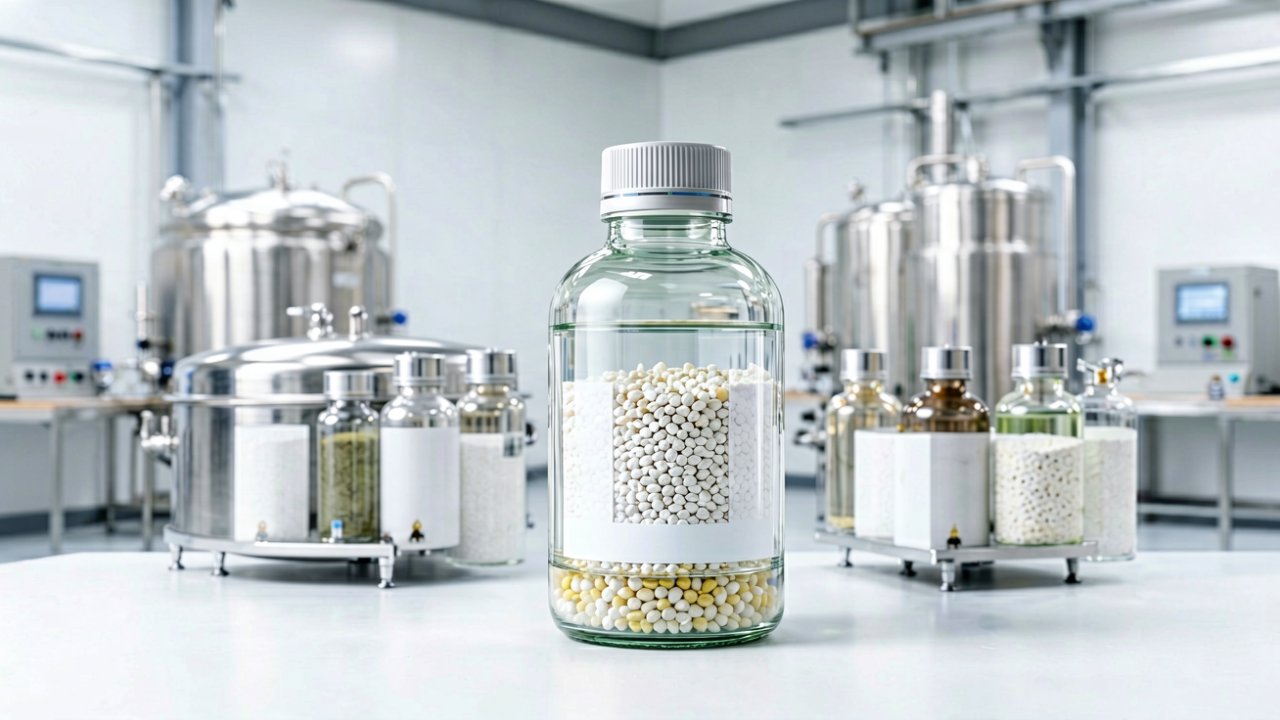
At SREKE, we see 3D printing technology transforming how supplement brands approach product development. This innovative manufacturing method enables precise dosing, complex formulations, and rapid prototyping that traditional compression or encapsulation cannot match. For brand owners seeking differentiation, 3D printed supplements offer unique shape customization, layer-by-layer ingredient deposition, and personalized nutrition solutions that resonate with today's health-conscious consumers.
The technology supports FDA-compliant manufacturing when executed under proper GMP conditions. We recommend brands evaluate 3D printing for niche applications where traditional methods face limitations, particularly for complex release profiles or multi-ingredient formulations requiring precise spatial separation.
Key Manufacturing Considerations at SREKE
Material Compatibility and Formulation Development
Our facility evaluates each active ingredient's compatibility with 3D printing processes. Not all compounds print effectively, and we assess factors like particle size, viscosity, and thermal stability. We maintain detailed documentation for every formulation, ensuring consistent quality across production batches while meeting regulatory requirements.
Quality Control and Compliance Standards
At SREKE, we implement rigorous quality control protocols for 3D printed supplements. Our processes align with FDA cGMP regulations, ISO 22000 standards, and HACCP principles. Each production batch undergoes testing for potency, dissolution, microbiological safety, and heavy metals. We maintain complete traceability from raw material receipt through finished product release.
Production Scalability and Lead Times
While 3D printing excels at prototyping and small-batch production, we evaluate scalability for commercial manufacturing. Our team assesses whether 3D printing aligns with your volume requirements and timeline. For larger productions, we may recommend hybrid approaches combining 3D printed cores with traditional coating or encapsulation methods.
How SREKE Helps You Get to Market Faster
Our streamlined workflow reduces time from concept to commercial production. We provide formulation development support, regulatory guidance, and packaging solutions tailored to 3D printed supplement characteristics. Our team assists with label compliance, ingredient sourcing, and stability testing to ensure your product meets market requirements.
We recommend discussing your specific application early in the development process. Our technical team evaluates whether 3D printing offers advantages for your particular ingredients, dosage form, and target market. This collaborative approach helps optimize formulation, packaging, and production methods for successful commercialization.
Industry Trends and Market Opportunities
The personalized nutrition market continues growing, with consumers seeking products tailored to individual needs. 3D printing technology supports this trend by enabling variable dosing and customized formulations. We observe increasing interest in complex delivery systems and multi-functional supplements that traditional manufacturing struggles to produce efficiently.
Market research indicates the 3D printing in pharmaceuticals and supplements segment is expanding, though still representing a small portion of overall supplement manufacturing. Brands adopting this technology early may gain competitive advantages in innovation and differentiation. We recommend evaluating 3D printing for specific product lines rather than as a complete manufacturing replacement.
Frequently Asked Questions
What is the minimum order quantity (MOQ) for 3D printed supplements?
MOQ varies based on formulation complexity, packaging requirements, and production scale. Our team provides specific guidance during initial consultation. We generally recommend discussing volume requirements early to determine the most cost-effective production approach.
How does 3D printing affect lead times?
3D printing can accelerate prototyping and small-batch production compared to traditional tooling. However, commercial-scale production may require different timelines. We provide realistic lead time estimates based on your specific requirements and production volume.
Are 3D printed supplements compliant with FDA regulations?
Yes, when manufactured under proper GMP conditions with appropriate quality controls. We ensure all processes meet FDA requirements and maintain documentation for regulatory compliance. Each product undergoes testing for safety, potency, and quality.
What types of supplements are best suited for 3D printing?
Complex formulations, multi-ingredient products requiring spatial separation, and personalized dosing applications benefit most from 3D printing. We evaluate each formulation individually to determine suitability and optimal manufacturing approach.
How does 3D printing impact packaging requirements?
Unique shapes and formulations may require specialized packaging solutions. Our team assists with packaging design and sourcing to ensure product protection, shelf stability, and compliance with labeling regulations.