




Why Cold Press vs Traditional Softgel Manufacturing Matters for Supplement Brands
At SREKE, we see brand owners constantly evaluate how their supplements are manufactured — because the process directly shapes product quality, cost structure, and speed to market. The choice between cold press and traditional softgel manufacturing is one of the most consequential decisions you will make when developing a new softgel line.
Traditional softgel manufacturing uses a rotary die process that involves heat, gelatin-based shells, and high-speed encapsulation. Cold press softgel technology, by contrast, employs a low-temperature compression method that does not require gelatin or high heat. Both methods produce high-quality softgels, but they serve different formulation needs and brand positioning strategies.
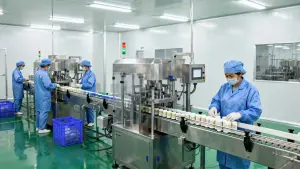
Understanding these differences is essential for brand owners who need to balance product performance, regulatory compliance, and commercial viability. At SREKE, our GMP-certified facility in Guangzhou supports both manufacturing approaches, giving you the flexibility to choose the right path for your product.
Key Manufacturing Considerations at SREKE
1. Temperature and Heat-Sensitive Ingredients
Traditional rotary die softgel manufacturing typically operates at temperatures between 50°C and 80°C during the encapsulation process. While this is standard industry practice and well within safety parameters, certain bioactive compounds — including some omega-3 oils, probiotics, and delicate botanical extracts — can degrade under sustained heat exposure.
Cold press softgel technology processes materials at or near ambient temperature, preserving the molecular integrity of heat-sensitive actives. At SREKE, we utilize cold press methods for formulations containing thermolabile ingredients, ensuring your product delivers the potency declared on the label.
2. Shell Composition and Dietary Compliance
Traditional softgel shells are primarily composed of gelatin derived from bovine or porcine sources. This presents considerations for brands targeting vegetarian, vegan, halal, kosher, or allergen-free markets.
Cold press softgels at SREKE can utilize alternative shell materials including pullulan (a vegan-friendly, fungal-derived film) and modified starch-based compositions. This flexibility allows us to support brands across diverse dietary segments without compromising on softgel quality or seal integrity.
3. Formulation Compatibility
Not all formulations are suitable for every manufacturing method. At SREKE, our technical team evaluates each formulation for compatibility with both cold press and traditional processes before recommending a production approach.
- Oil-based formulations: Both methods are effective. Traditional rotary die excels with high-viscosity oils, while cold press handles low-viscosity and aqueous-oil emulsions efficiently.
- Water-based or emulsion formulations: Cold press is generally preferred, as traditional gelatin shells can be permeable to aqueous cores, potentially affecting stability.
- Suspension formulations: Traditional rotary die processing is well-suited for suspended particulate systems, though cold press capabilities continue to advance.
- High-potency actives: Cold press minimizes thermal degradation, making it the preferred choice for high-potency omega-3, curcumin, and coenzyme Q10 formulations.
4. Quality Standards and Regulatory Compliance
At SREKE, both cold press and traditional softgel production lines operate under strict GMP (Good Manufacturing Practice) standards, ISO 22000 food safety management systems, and HACCP protocols. Our Guangzhou facility holds certifications from multiple international audit bodies, ensuring compliance with FDA 21 CFR Part 111 requirements for dietary supplements and EFSA standards for the European market.
Every batch undergoes incoming raw material testing, in-process quality control, and finished product verification for identity, potency, dissolution, heavy metals, microbial counts, and pesticide residues.
5. MOQ and Cost Structure
At SREKE, our minimum order quantities (MOQ) vary by manufacturing method and shell type:
- Traditional softgels: MOQ typically starts at 50,000 to 100,000 units per SKU, depending on shell size and complexity.
- Cold press softgels: MOQ ranges from 30,000 to 80,000 units per SKU, reflecting the different setup requirements and shell material costs.
Cold press softgels generally carry a higher per-unit cost due to specialized shell materials and lower production line speeds. However, the ability to market a product as "cold-processed," "heat-free," or "vegan-compatible" can command premium pricing in retail channels.
6. Lead Time
At SREKE, standard lead times are as follows:
- Traditional softgel OEM: 4 to 8 weeks from formula approval to shipment, depending on shell sourcing and regulatory documentation requirements.
- Cold press softgel ODM: 6 to 10 weeks, as shell material procurement and formulation optimization may require additional development time.
- Expedited production: Available for repeat orders and pre-approved formulations.
How SREKE Helps You Get to Market Faster
At SREKE, we streamline the path from concept to shelf through several integrated services:
- ODM formula library: We maintain a portfolio of pre-validated softgel formulas across key categories including omega-3, joint support, immune health, and sleep support. Selecting an existing formula can reduce development time by 60 percent or more.
- In-house R&D team: Our formulation scientists work directly with your brand to customize actives, dosages, and shell compositions — ensuring regulatory compliance for your target market.
- Regulatory documentation support: We provide DSHEA compliance documentation, COA (Certificate of Analysis), GMP certificates, and export documentation for FDA-registered facilities and EU-compliant production.
- Packaging customization: We offer private-label packaging options including amber glass bottles, blister packs, and sustainable packaging materials, printed with your brand identity.
- Third-party testing coordination: We partner with accredited laboratories for independent verification of potency, purity, and contaminant screening.
Contact our team to discuss your project timeline and we will provide a detailed production schedule within 24 hours.
Industry Trends and Market Opportunities
The global softgel market is projected to continue its growth trajectory, driven by consumer demand for convenient, bioavailable supplement formats. Several trends are shaping the cold press versus traditional manufacturing landscape:
- Clean-label demand: Consumers increasingly prefer supplements with minimal, recognizable ingredients. Cold press softgels align with this trend by eliminating gelatin and high-heat processing from the narrative.
- Plant-based and vegan growth: The vegan supplement segment has experienced double-digit annual growth. Cold press technology with pullulan or starch-based shells directly addresses this demand.
- Premiumization: Brands are differentiating through process transparency. "Cold-processed" and "heat-free" labeling commands shelf-space attention and supports premium price points.
- Omega-3 market expansion: Omega-3 fatty acids remain one of the best-selling supplement categories globally. Cold press manufacturing preserves omega-3 integrity and minimizes oxidative rancidity, making it the preferred choice for premium fish oil and algae oil softgels.
- Sustainability: Cold press technology generates less energy consumption than traditional high-heat rotary die processing, aligning with corporate sustainability commitments.
At SREKE, we monitor these trends closely and invest in technology upgrades that keep our manufacturing capabilities competitive. Our facility regularly evaluates emerging shell materials, encapsulation technologies, and quality assurance methodologies.
Frequently Asked Questions
What is the main difference between cold press and traditional softgel manufacturing?
The primary difference is temperature. Traditional softgel manufacturing uses a rotary die process with heat (typically 50°C–80°C) and gelatin-based shells. Cold press softgel manufacturing uses low-temperature compression without gelatin, preserving heat-sensitive ingredients and enabling vegan-compatible shell options.
Is cold press softgel better than traditional softgel?
Neither method is universally superior — the best choice depends on your formulation, target market, and brand positioning. Cold press is ideal for heat-sensitive actives and vegan/vegetarian positioning. Traditional rotary die is well-suited for high-viscosity oil formulations and cost-sensitive projects. At SREKE, we recommend evaluating your specific formulation with our technical team.
What MOQ do you require for cold press softgels?
Our MOQ for cold press softgels typically ranges from 30,000 to 80,000 units per SKU, depending on shell type, size, and formulation complexity. We also offer flexible MOQ options for brands testing new products in the market.
Are SREKE softgels compliant with FDA and EU regulations?
Yes. Our Guangzhou facility operates under GMP certification, ISO 22000, and HACCP standards. We produce dietary supplement softgels compliant with FDA 21 CFR Part 111 and EU regulatory requirements. All products are manufactured in an FDA-registered facility and can be accompanied by full documentation including COA, GMP certificates, and export papers.
How long does it take to produce a custom softgel order?
Standard lead times range from 4 to 10 weeks depending on the manufacturing method, formulation complexity, shell sourcing, and regulatory documentation requirements. Expedited production is available for qualified repeat orders. Contact us for a project-specific timeline.
Can you help with private-label packaging?
Absolutely. At SREKE, we provide end-to-end private-label services including custom bottle design, label printing, blister packaging, and sustainable packaging solutions. Our design team can work from your artwork files or create packaging concepts aligned with your brand identity.
What types of formulations can you produce in softgel form?
We produce softgels for a wide range of categories including omega-3 and fish oil, coenzyme Q10, curcumin and turmeric, vitamin D3, melatonin, probiotics, herbal extracts, and custom blends. Our R&D team can develop novel formulations tailored to your market requirements.
Ready to launch your supplement brand? SREKE provides GMP-certified OEM/ODM manufacturing for softgels, capsules, tablets, powders, gummies, and liquids. Contact us for a free quote or email [email protected] — we respond within 24 hours.