


Why Cold Press vs Traditional Softgel Manufacturing Matters for Supplement Brands
At SREKE, we work with supplement brand owners who are making critical decisions about how their products are manufactured. The choice between cold press and traditional softgel production directly impacts your formulation options, shelf life, cost structure, and time to market. Understanding these differences is essential for brands that want to deliver high-quality products while maintaining healthy margins.
Softgel manufacturing is a $4.2 billion global market, with the United States representing the largest single market. As consumer demand shifts toward cleaner labels and more bioavailable formats, the production method you choose can be a competitive differentiator. Traditional rotary die encapsulation has been the industry standard for decades, while cold press technology offers an alternative approach that addresses specific formulation and quality challenges.
The U.S. dietary supplement market alone exceeded $54 billion in 2023, and softgel formats continue to gain share due to their superior bioavailability for fat-soluble nutrients. At SREKE, our GMP-certified facility in Guangzhou serves brands across North America, Europe, and Asia-Pacific, giving us deep insight into what matters most to supplement companies at every stage of development.
Key Manufacturing Considerations at SREKE
Understanding Traditional Rotary Die Softgel Manufacturing
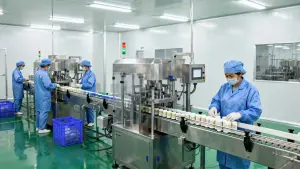
Traditional softgel production uses a rotary die encapsulation process that has been refined over more than 80 years. At SREKE, our rotary encapsulation lines operate at speeds of up to 80,000 softgels per hour, producing consistent, high-quality capsules for our global clients.
The process works by depositing the liquid fill material between two ribbons of gelatin shell material. Roller dies then cut and seal the softgels into individual units. This method is well-suited for oil-based formulations, single-ingredient products, and high-volume production runs. The technology is proven, reliable, and cost-effective for established product lines.
What Cold Press Softgel Manufacturing Offers
Cold press softgel technology represents a different approach to encapsulation. Rather than using heat and pressure through rotary dies, cold press methods utilize specialized equipment that forms softgels at lower temperatures with alternative mechanical processes. This can be particularly valuable for heat-sensitive ingredients and formulations that require precise moisture control.
At SREKE, we evaluate cold press capabilities alongside our traditional rotary lines because different products benefit from different approaches. Cold press manufacturing can support formulations that are challenging for conventional methods, including certain emulsion-based systems and products with high active ingredient concentrations.
Formulation Compatibility
The formulation you develop will largely determine which manufacturing method is appropriate. At SREKE, our R&D team evaluates every new product for compatibility with our production capabilities.
- Oil-based formulations: Traditional rotary die is the industry standard and most cost-effective option for liquid oil fills, including fish oil, vitamin E, and curcumin products.
- Heat-sensitive actives: Ingredients such as certain probiotics, omega-3 concentrates, and botanical extracts may benefit from lower-temperature processing approaches.
- Emulsion systems: Some formulations that create stable emulsions require specialized processing to maintain product integrity throughout encapsulation.
- High-viscosity fills: Certain thick or semi-solid formulations present unique challenges that our technical team assesses on a case-by-case basis.
Quality Standards and Compliance
At SREKE, every manufacturing process operates under strict quality frameworks. Our facility holds GMP certification, ISO 22000 certification, and HACCP certification, ensuring that all products meet the highest safety and quality standards regardless of the production method used.
For brands selling into the United States, our processes comply with FDA 21 CFR Part 111 regulations for current Good Manufacturing Practices for dietary supplements. For European markets, we ensure compliance with EFSA requirements and EU food safety regulations. Our quality management system includes incoming material testing, in-process quality checks, and finished product release testing.
MOQ and Production Flexibility
One of the most practical considerations for supplement brand owners is minimum order quantity. At SREKE, we offer competitive MOQs that accommodate both emerging brands and established companies. Our traditional rotary lines are optimized for larger production runs, while we evaluate cold press and specialized processes based on your specific formulation and volume requirements.
We recommend discussing your projected volumes with our team during the initial consultation. This allows us to recommend the most efficient manufacturing approach for your product and budget.
Lead Time and Time to Market
Speed to market is critical in the supplement industry. At SREKE, our typical lead times reflect the complexity of the formulation and the manufacturing method selected. Standard products on existing platforms can move through production more quickly than custom formulations requiring new development.
Our integrated facility in Guangzhou allows us to manage the entire supply chain from raw material sourcing through final packaging. This vertical integration reduces delays and gives us greater control over quality and scheduling.
Packaging Options
Softgel packaging at SREKE includes blister packs, bottles, and custom packaging solutions. We offer a range of bottle sizes from 30-count to 120-count options, with child-resistant closures available for products targeting specific demographics. Our packaging team works with you to select materials that protect product integrity while meeting your brand positioning.
How SREKE Helps You Get to Market Faster
At SREKE, we understand that supplement brands face intense competition and tight launch windows. Our ODM program includes a library of pre-developed formulations that can be customized and brought to market more quickly than fully custom development. For brands that prefer to develop unique formulations, our in-house R&D team provides end-to-end support from concept through regulatory compliance.
Our formulation scientists work closely with brand owners to optimize ingredient selection, bioavailability, and cost structure. We maintain a comprehensive database of GRAS-notified ingredients and EFSA-approved health claims, ensuring that your product meets regulatory requirements in your target markets.
We also provide stability testing services to validate shelf life claims. Our accelerated stability protocols follow ICH guidelines, giving you reliable data to support your product labeling and regulatory submissions.
Industry Trends and Market Opportunities
The global softgel market is projected to continue growing, driven by consumer preference for convenient, bioavailable supplement formats. At SREKE, we observe several trends that are shaping how brands approach softgel manufacturing.
Clean Label Demand
Consumers are increasingly demanding products with recognizable ingredients and minimal processing. This trend is influencing softgel shell formulations, with growing interest in alternatives to traditional gelatin and reduced use of synthetic additives. Brands that can deliver clean-label softgels without compromising quality or shelf life have a significant competitive advantage.
Bioavailability Focus
Research continues to demonstrate that softgel formats can enhance the absorption of fat-soluble vitamins and botanical extracts compared to tablet and capsule alternatives. At SREKE, we help brands select formulations and manufacturing approaches that maximize bioavailability while maintaining product stability.
Sustainability Considerations
Environmental responsibility is becoming a priority for both brands and consumers. SREKE is committed to sustainable manufacturing practices, including waste reduction, energy efficiency, and responsible sourcing of raw materials. We are actively evaluating sustainable packaging options and working with suppliers to reduce the environmental impact of our operations.
Personalized Nutrition
The personalized supplement market is expanding rapidly, creating demand for flexible manufacturing that can accommodate smaller, more frequent production runs. At SREKE, we offer solutions that support both high-volume standard products and smaller custom orders, giving brands the flexibility to respond to market demand.
Frequently Asked Questions
What is the difference between cold press and traditional softgel manufacturing?
Traditional softgel manufacturing uses rotary die encapsulation, which is the established industry standard for high-volume production. Cold press technology employs alternative mechanical processes that can operate at lower temperatures and may support formulations that are challenging for conventional methods. The appropriate choice depends on your specific formulation, volume requirements, and quality objectives. At SREKE, our technical team evaluates each project to recommend the optimal manufacturing approach.
What are the MOQ requirements at SREKE?
MOQs at SREKE vary depending on the product type, manufacturing method, and packaging selected. We work with brands of all sizes, from emerging companies launching their first product to established brands managing complex product portfolios. Contact our team for specific MOQ information relevant to your product concept.
How long does softgel production take?
Production timelines depend on formulation complexity, manufacturing method, and packaging requirements. Standard ODM products can move through production more quickly than fully custom formulations. Our team provides detailed timelines during the quoting process so you can plan your launch accordingly.
Can SREKE help with regulatory compliance?
Yes. At SREKE, our regulatory team supports brands with FDA compliance for the U.S. market, including 21 CFR Part 111 requirements. We also assist with EFSA compliance for European markets and can support regulatory submissions in other regions. Our team stays current with evolving regulations to help you maintain compliance throughout your product lifecycle.
What certifications does SREKE hold?
SREKE holds GMP certification, ISO 22000 certification, and HACCP certification. Our facility is located in Guangzhou, China, and we serve clients globally. We can also facilitate third-party certifications such as Kosher, Halal, and NSF certification upon request.
Does SREKE offer private label and custom formulation services?
Yes. We offer both OEM and ODM services. Our ODM program includes pre-developed formulations that can be customized for your brand, while our OEM services support fully custom formulations developed from scratch. Our R&D team provides comprehensive support throughout the development process.
Ready to launch your supplement brand? SREKE provides GMP-certified OEM/ODM manufacturing for softgels, capsules, tablets, powders, gummies, and liquids. Contact us for a free quote or email [email protected] — we respond within 24 hours.