



Why Cold Press vs Traditional Softgel Manufacturing Matters for Supplement Brands
At SREKE, we work with hundreds of supplement brand owners who face a critical decision when developing their product line: which manufacturing approach best aligns with their brand positioning, formulation goals, and budget. The choice between cold press extraction combined with traditional softgel encapsulation versus conventional high-heat manufacturing methods can significantly impact your product's quality profile, cost structure, and time-to-market.
Cold press extraction is a mechanical process that separates oils and active compounds from raw botanical or animal sources using hydraulic pressure alone, without the application of external heat or chemical solvents such as hexane. According to industry research published in the Journal of Food Science and Technology, cold-pressed oils retain higher levels of heat-sensitive phytonutrients including tocopherols (vitamin E), polyphenols, and carotenoids compared to solvent-extracted or hot-press methods. This matters directly for brands marketing "pure," "natural," or "solvent-free" formulations.
Traditional softgel manufacturing, by contrast, involves the continuous ribbon process where a liquid or semi-solid fill material is encapsulated between two moving bands of gelatin or alternative shell material. The process typically operates at temperatures between 40°C and 60°C during encapsulation. While this method is well-established and highly efficient for mass production, certain thermolabile (heat-sensitive) actives may experience degradation if not properly managed.
Understanding these differences is essential for brand owners who want to make informed decisions about formulation strategy, regulatory compliance, and competitive positioning in an increasingly discerning market.
Key Manufacturing Considerations at SREKE
1. Formulation Compatibility
Not every active ingredient is suitable for cold press extraction or traditional softgel encapsulation. At SREKE, our R&D team evaluates each formulation for:
- Thermal stability: Actives such as omega-3 fatty acids (EPA/DHA), vitamin E, coenzyme Q10, and certain botanical extracts degrade at elevated temperatures. Cold press preserves these compounds more effectively.
- Viscosity and flow properties: Softgel encapsulation requires the fill material to pump reliably through dosing equipment. Our facility uses viscosity-modified gelatin and vegetarian (hippophae or carrageenan-based) shells depending on your formulation needs.
- Oxidation risk: Unsaturated fats and antioxidants are prone to oxidation. We employ nitrogen flushing during both extraction and encapsulation to minimize oxygen exposure, a standard practice recommended by GMP guidelines for lipid-based supplements.
2. Regulatory Compliance and Standards
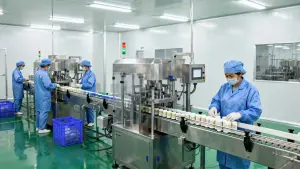
At SREKE, our Guangzhou manufacturing facility operates under multiple certified frameworks:
- FDA Registration: We are registered with the U.S. Food and Drug Administration under the Federal Food, Drug, and Cosmetic Act and comply with 21 CFR Part 111 (Current Good Manufacturing Practice for Dietary Supplements).
- GMP Certification: Our facility holds GMP certification verified through third-party audits, ensuring consistent quality control throughout the manufacturing process.
- ISO 22000 and HACCP: Our food safety management system is certified to ISO 22000, and we implement HACCP (Hazard Analysis and Critical Control Points) protocols at every stage from raw material receiving to finished product release.
- EFSA Compliance: For brands targeting the European market, we ensure formulations comply with EFSA (European Food Safety Authority) regulations on novel foods, food additives, and health claims under Regulation (EC) No 1924/2006.
- NMPA Registration: For China domestic market sales, we support brands through NMPA (National Medical Products Administration) registration requirements.
3. Quality of Raw Materials
Cold press extraction begins with premium-grade raw materials. At SREKE, we source:
- Wild-caught fish (sardines, anchovies, mackerel) for omega-3 oil production, tested for heavy metals (mercury, lead, cadmium) and PCBs per ISO 12224 and EFSA maximum level guidelines.
- Organic-certified botanical sources for plant-based oil extraction, verified for pesticide residues under EU 2019/1793 standards.
- Pharmaceutical-grade gelatin (USP/BP specification) and vegetarian shell alternatives from audited suppliers.
Every incoming raw material batch undergoes COA (Certificate of Analysis) verification before entering production.
4. Cost Structure and Pricing
Cold press extraction typically carries a 15–30% cost premium over solvent extraction or mechanical pressing with heat, primarily due to lower yield rates and longer processing times. However, the resulting product commands a higher market price point. At SREKE, we provide transparent cost breakdowns including raw material sourcing, extraction method, encapsulation, packaging, and compliance documentation so you can model your landed cost accurately.
5. Minimum Order Quantity (MOQ)
Our standard MOQ for cold press softgel programs ranges from 50,000 to 100,000 units per SKU, depending on capsule size and formulation complexity. For established brands with recurring orders, we offer flexible MOQ reductions. Traditional softgel runs can start from 30,000 units per SKU for standard sizes (00, 0, 1).
6. Lead Time
Typical lead times at SREKE are as follows:
- Formulation development: 2–4 weeks
- Prototype sampling: 1–2 weeks after formula approval
- Regulatory documentation (COA, GMP certificate, free sale certificate): 1–2 weeks
- Production: 4–8 weeks depending on order volume and complexity
- Total time to market: 8–14 weeks for new programs
7. Packaging Options
We offer a full range of packaging solutions including:
- HDPE bottles with desiccant and child-resistant caps
- Blister packs (PVC/PVDC or aluminum-aluminum)
- Stick packs and sachets for powder-filled softgels
- Private-label printing with up to 8 colors
- Sustainable packaging options including recyclable materials
How SREKE Helps You Get to Market Faster
At SREKE, we streamline the path from concept to shelf through several key advantages:
- In-house R&D laboratory: Our team of food scientists and formulation specialists develops custom recipes tailored to your target market, taste profile, and claim structure — all while ensuring compliance with FDA, EFSA, and local regulatory requirements.
- Vertical integration: We control the entire production chain from raw material inspection through extraction, encapsulation, packaging, and quality testing, reducing handoff delays and maintaining traceability.
- Pre-approved base formulas: For brands seeking faster launch timelines, we maintain a library of proven softgel formulas including omega-3, vitamin D3, turmeric-curcumin, CoQ10, and multivitamin blends that can be customized and launched within 6–8 weeks.
- Dedicated account management: Each client receives a dedicated project manager who coordinates between R&D, production, quality assurance, and logistics to ensure on-time delivery.
- Global shipping network: We handle export documentation, customs compliance, and freight coordination to North America, Europe, Southeast Asia, the Middle East, and Australia.
Contact our team at [email protected] to discuss your project requirements and receive a detailed quotation within 24 hours.
Industry Trends and Market Opportunities
The global dietary supplement market continues to expand, with the softgel segment representing one of the fastest-growing delivery formats. According to data from Statista and Grand View Research, the global softgel capsule market is projected to reach approximately USD 14–16 billion by 2030, growing at a CAGR of 5–7%.
Key Trends Shaping the Market
- Clean-label demand: Consumers increasingly prefer products made without synthetic solvents, artificial colors, or unnecessary excipients. Cold press extraction aligns directly with this trend, as it requires no chemical solvents and produces a cleaner ingredient label.
- Omega-3 market growth: The omega-3 supplements segment alone is valued at over USD 3 billion globally and continues to grow, driven by consumer awareness of cardiovascular and cognitive health benefits. EPA and DHA softgels remain the highest-volume category in our production lines.
- Vegetarian and vegan softgels: Demand for non-gelatin softgel shells is rising. We offer hippophae (sea buckthorn) and carrageenan-based shells that meet vegetarian and vegan certification requirements.
- Personalized nutrition: Brands are increasingly offering customized dosages and combination formulas. Our flexible manufacturing lines support low-to-medium volume runs ideal for personalized supplement programs.
- Sustainability: Raw material sourcing transparency, sustainable fishing certifications (MSC), and eco-friendly packaging are becoming differentiating factors. We provide full supply chain traceability documentation.
Market Opportunities by Region
- North America: Largest supplement market globally; FDA-regulated under DSHEA; strong demand for omega-3, joint health, and immune support softgels.
- Europe: Second-largest market; EFSA-regulated with stricter health claim approvals; growing interest in plant-based and organic formulations.
- Asia-Pacific: Fastest-growing region; China's NMPA framework provides clear pathways for domestic and imported supplement registration; Japan and South Korea have mature markets with high consumer spending on wellness products.
- Middle East and Africa: Emerging market with increasing regulatory frameworks; halal-certified manufacturing is available upon request.
Frequently Asked Questions
What is the difference between cold press and traditional softgel manufacturing?
Cold press refers to the extraction method used to obtain oils and active compounds from raw materials — it uses mechanical pressure without heat or solvents. Traditional softgel manufacturing refers to the encapsulation process where liquid fills are sealed inside gelatin or vegetarian shells. At SREKE, we combine cold press extraction with our traditional softgel encapsulation line to deliver high-quality, solvent-free softgel products.
Is cold press extraction better than solvent extraction?
Cold press extraction preserves more heat-sensitive and oxidation-prone nutrients compared to solvent-based methods. It also eliminates residual solvent concerns, which is increasingly important for clean-label positioning. However, cold press yields are typically lower, which can affect unit cost. The best choice depends on your target market, price point, and brand positioning.
What certifications does SREKE hold?
SREKE's facility is GMP-certified, FDA-registered, ISO 22000 certified, and HACCP compliant. We also support brands in obtaining additional certifications including Kosher, Halal, NSF, and organic certification as needed for your target market.
What is the typical MOQ for a private-label softgel program?
Our standard MOQ starts at 30,000 units per SKU for traditional softgels and 50,000–100,000 units for cold press softgel programs. We work with brands of all sizes and can accommodate smaller trial runs for new product development.
Can you help with regulatory compliance for my target market?
Yes. Our compliance team supports FDA DSHEA notifications, EFSA health claim compliance, NMPA registration for China, and other regional regulatory requirements. We provide full documentation packages including COA, GMP certificates, free sale certificates, and stability study reports.
How long does it take to launch a new softgel product?
From initial consultation to first shipment, a new softgel program typically takes 8–14 weeks. Programs using our pre-approved base formulas can launch in as little as 6–8 weeks. Expedited timelines are available for urgent projects.
Do you offer formulation development services?
Absolutely. Our in-house R&D team develops custom formulations from scratch or adapts existing formulas to meet your specific requirements, including dosage strength, ingredient sourcing, taste masking, and claim structure. We also assist with ingredient substitution to address supply chain or cost challenges.
What types of softgel fills can you produce?
We manufacture softgels with a wide range of fill types including oil-based (omega-3, vitamin E, turmeric oleoresin), emulsion-based (water-soluble curcumin, coenzyme Q10 emulsions), and semi-solid fills. Our capabilities also extend to multi-compartment softgels that separate incompatible ingredients until ingestion.
Ready to launch your supplement brand? SREKE provides GMP-certified OEM/ODM manufacturing for softgels, capsules, tablets, powders, gummies, and liquids. Contact us for a free quote or email [email protected] — we respond within 24 hours.