



Why Cold Press vs Traditional Softgel Manufacturing Matters for Supplement Brands
At SREKE, we understand that the manufacturing method you choose directly impacts product stability, bioavailability, and market positioning. As brand owners seek cleaner labels and higher potency, the distinction between traditional high-temperature softgel encapsulation and modern cold press technology has become a critical decision point.
Traditional rotary die encapsulation often involves heat and mechanical pressure during the forming process, which can degrade heat-sensitive active ingredients like certain probiotics, omega-3 fatty acids, or delicate botanical extracts. In contrast, cold press encapsulation utilizes lower temperatures and specialized pressure techniques to preserve the integrity of sensitive compounds. For brands committed to premium quality and regulatory compliance, selecting the right encapsulation method is foundational to product success.
Key Manufacturing Considerations at SREKE
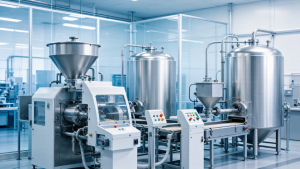
Our GMP-certified facility in Guangzhou evaluates several technical factors when recommending a manufacturing route for our clients. We prioritize ingredient stability, shell composition, and scalability.
Thermal Sensitivity and Ingredient Integrity
Heat-sensitive actives require careful handling. Traditional softgel manufacturing can expose ingredients to temperatures that may accelerate oxidation or reduce potency. At SREKE, we utilize advanced cold press or low-temperature encapsulation technologies to ensure that thermolabile ingredients maintain their efficacy from production to shelf. This is particularly vital for products promoting cardiovascular health or cognitive support, where ingredient purity is paramount.
Shell Composition and Clean Label Trends
We offer both gelatin and non-gelatin (e.g., herring, bovine, or plant-based) shells. Our engineering team ensures that the shell formulation is compatible with the encapsulation method. For instance, cold press techniques can allow for thinner shells or specific gelatin-to-water ratios that enhance dissolution rates without compromising structural integrity during storage.
Compliance and Quality Standards
All our processes adhere to strict FDA and EFSA guidelines. We maintain ISO 22000 and HACCP certifications, ensuring that every batch meets rigorous safety standards. Whether producing traditional or cold-pressed softgels, we conduct thorough testing for heavy metals, pesticides, microbial limits, and active ingredient potency.
MOQ and Lead Time Optimization
Brand owners often face challenges with Minimum Order Quantities (MOQ). At SREKE, we streamline our production lines to accommodate varying MOQs, allowing smaller startups and established brands alike to access premium manufacturing. Our efficient workflow reduces lead times, ensuring faster time-to-market without sacrificing quality control.
How SREKE Helps You Get to Market Faster
We know that speed to market is competitive advantage. Our integrated ODM/OEM services cover formulation development, regulatory compliance, and manufacturing under one roof.
- Formulation Support: Our R&D team assists in optimizing formulas for specific encapsulation methods, ensuring stability and bioavailability.
- Regulatory Guidance: We help navigate labeling requirements for structure/function claims, ensuring compliance with FDA 21 CFR and EU regulations.
- Packaging Solutions: We offer customizable packaging options, including blister packs and bottles, designed to protect product integrity and enhance shelf appeal.
Industry Trends and Market Opportunities
The global softgel market is evolving towards higher potency and cleaner formulations. Consumers are increasingly demanding products that support immune function, joint health, and metabolic balance without artificial additives. Cold press technology aligns with these trends by enabling the use of high-concentration active ingredients in smaller, easier-to-swallow capsules.
At SREKE, we stay ahead of these shifts by investing in continuous improvement and adopting state-of-the-art machinery. We recommend consulting with our team early in the product development phase to leverage these technological advantages for maximum market impact.
Frequently Asked Questions
What is the difference between cold press and traditional softgels?
Cold press encapsulation typically operates at lower temperatures than traditional rotary die methods, preserving heat-sensitive ingredients. Traditional methods may involve more heat and pressure, which can affect delicate compounds. Both methods produce high-quality softgels, but the choice depends on the specific formulation.
Does SREKE handle regulatory compliance for exports?
Yes. We ensure all products meet the regulatory requirements of the destination market, including FDA registration for the US and EFSA guidelines for Europe. Our documentation supports your compliance efforts.
Can I customize the softgel size and shape?
Absolutely. We offer a wide range of standard and custom sizes and shapes. Our engineering team will advise on the best configuration for your formula and target demographic.
Ready to launch your supplement brand? SREKE provides GMP-certified OEM/ODM manufacturing for softgels, capsules, tablets, powders, gummies, and liquids. Contact us for a free quote or email [email protected] — we respond within 24 hours.