




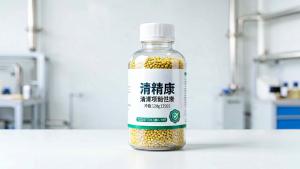

Why HPMC Capsule Filling Matters for Supplement Brands
At SREKE, we understand that the choice of capsule shell is not just an aesthetic decision but a critical component of product quality and market positioning. Hydroxypropyl Methylcellulose (HPMC) capsules have surged in popularity because they offer a superior alternative to traditional gelatin shells. For supplement brand owners, selecting the right HPMC capsule filling machine type ensures consistent fill weights, minimal dust generation, and compatibility with moisture-sensitive formulations.
Unlike gelatin, which requires specific humidity controls, HPMC is plant-based and offers greater stability across varying environmental conditions. This makes HPMC capsules ideal for vegan, vegetarian, and halal/kosher markets. Our facility utilizes advanced filling technologies to ensure that every capsule meets strict GMP standards, providing brands with a reliable, scalable solution for high-volume production.
Key Manufacturing Considerations at SREKE
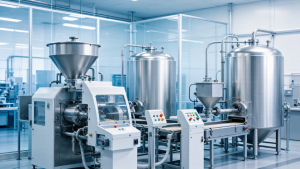
When discussing HPMC capsule filling, it is essential to distinguish between the machinery used in-house by contract manufacturers like SREKE and the equipment available for small-batch private labeling. At SREKE, we employ industrial-grade rotary capsule filling machines capable of speeds ranging from 60,000 to 120,000 capsules per hour. These machines are designed for precision, ensuring uniform powder density and minimizing waste.
Types of Filling Technologies We Utilize
- Rotary Tamping Machines: The industry standard for high-volume production. These machines use tamping pins to compress powder into the capsule body, ensuring precise fill weight. They are ideal for free-flowing powders and granules common in protein blends and botanical extracts.
- Auger Screw Fillers: Best suited for low-density, cohesive, or difficult-to-flow powders. The auger mechanism dispenses powder based on volume, allowing for accurate filling of sticky or aerated formulations without excessive dust.
- Piston Fillers: Used for viscous substances or semi-solids, though less common for standard dry HPMC capsules. At SREKE, we primarily focus on rotary and auger technologies for dry powder supplements.
GMP and ISO Compliance Standards
All equipment at our Guangzhou manufacturing facility complies with FDA cGMP, ISO 22000, and HACCP standards. We utilize stainless steel 316L construction for all product contact parts to prevent corrosion and contamination. Regular calibration and validation protocols ensure that fill weights remain within ±2% tolerance, a critical metric for regulatory compliance and consumer trust.
Formulation Compatibility and Moisture Control
HPMC capsules are hygroscopic, meaning they absorb moisture from the environment. Our filling rooms maintain relative humidity levels below 45% to preserve capsule integrity. We work closely with brand owners to adjust formulation binders and lubricants to ensure smooth processing on high-speed rotary machines. This attention to detail prevents issues such as capsule swelling, locking failures, or powder bridging during filling.
How SREKE Helps You Get to Market Faster
Speed to market is crucial in the competitive dietary supplement industry. At SREKE, we streamline the process from formulation development to final packaging. Our in-house R&D team assists with optimizing your formula for high-speed filling, reducing trial-and-error phases.
Scalability and MOQ Flexibility
We offer flexible Minimum Order Quantities (MOQs) tailored to brand size. Whether you are launching with 5,000 units or scaling to 500,000+, our modular production lines allow us to adapt quickly. Lead times typically range from 15 to 30 days for standard formulations, depending on raw material availability and packaging complexity.
End-to-End Packaging Solutions
Beyond filling, we provide comprehensive packaging services. This includes blister packing, bottle filling with desiccants, and shrink-wrapping. Our automated packaging lines ensure that the filled HPMC capsules are protected from light, moisture, and oxygen, extending shelf life and maintaining potency. We also support custom labeling and box design to meet regional regulatory requirements.
Regulatory Documentation and Support
We provide full documentation support, including Certificates of Analysis (CoA), Material Safety Data Sheets (MSDS), and compliance certificates for vegan, gluten-free, and non-GMO status. This transparency simplifies your regulatory submissions with the FDA or EFSA, ensuring your product launches without legal hurdles.
Industry Trends and Market Opportunities
The demand for plant-based supplements continues to drive growth in the HPMC capsule segment. Consumers are increasingly seeking clean-label products, and HPMC shells are recognized as natural and sustainable compared to animal-derived gelatin. At SREKE, we see a significant trend toward multi-nutrient blends and targeted health solutions, such as immunity support and gut health, which benefit from the stable delivery system of HPMC capsules.
Customization and Innovation
Brands are looking for differentiation through color, opacity, and printing capabilities. While HPMC capsules traditionally come in opaque white or colored variants, advancements in coating technology now allow for more vibrant, consistent hues. Our team stays abreast of these innovations, offering clients options that align with their brand identity while maintaining functional efficacy.
Frequently Asked Questions
What is the difference between gelatin and HPMC capsules?
HPMC (Hydroxypropyl Methylcellulose) capsules are plant-based, making them suitable for vegan, vegetarian, halal, and kosher diets. They are more stable in varying humidity and temperature conditions compared to gelatin, which can become brittle or sticky. At SREKE, we find HPMC ideal for moisture-sensitive powders and broader market appeal.
Can SREKE handle difficult-to-flow powders in HPMC capsules?
Yes. We utilize auger screw filling technology for cohesive, low-density, or sticky powders that may not flow well in standard rotary tampers. Our formulation experts can also add flow aids to optimize powder behavior for high-speed filling.
What are the typical MOQs for HPMC capsule orders?
MOQs vary by formulation complexity and packaging type. Generally, we accommodate orders starting from 5,000 units for standard SKUs. For private label projects with custom packaging, MOQs may be higher. Contact our sales team for a detailed quote based on your specific needs.
How long does the manufacturing process take?
Standard lead times are 15–30 days from order confirmation to shipment. This includes raw material sourcing, capsule filling, packaging, and quality control testing. Rush services may be available for urgent projects upon request.
Are HPMC capsules compatible with liquid fills?
While HPMC capsules are primarily designed for dry powder fills, semi-solid or liquid-filled HPMC options exist. However, these require specialized filling equipment and stricter seal validation. At SREKE, we offer softgel technology for liquid fills, but for hard HPMC capsules, we recommend consulting our technical team to assess feasibility based on viscosity and stability.
Ready to launch your supplement brand? SREKE provides GMP-certified OEM/ODM manufacturing for softgels, capsules, tablets, powders, gummies, and liquids. Contact us for a free quote or email [email protected] — we respond within 24 hours.