

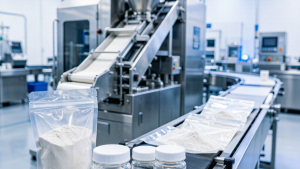




The organic supplement market has grown to over $2.5 billion in the US alone, expanding at roughly 12% annually. For supplement brands, "organic" is no longer just a niche positioning — it has become a competitive requirement for placement in natural food stores, premium retail chains and European markets. However, transitioning an organic supplement from concept to shelf involves navigating a complex certification system that many brand owners underestimate.
Why Organic Supplement Manufacturing Is a Strategic Category
Organic certification serves a dual purpose for supplement brands: it validates premium pricing and signals brand values to increasingly discerning consumers. Nielsen data shows organic supplements command a 30-60% price premium over conventional equivalents in most retail channels. For brands targeting the EU market specifically, organic certification is nearly mandatory for significant retail distribution. The investment in organic manufacturing is offset by higher margins and stronger consumer loyalty.
Key Factors to Consider When Manufacturing Organic Supplements
What organic certification standards apply to supplement manufacturing?
The primary standards are USDA Organic (US), EU Organic Regulation (EU), and COSMOS (for natural cosmetics). Each has different requirements for raw material purity, processing aids, and allowed non-organic ingredients. USDA Organic requires 95% organic ingredients by weight (excluding water and salt), while EU Organic regulation has stricter limits on processing aids. SREKE operates under third-party certified organic production lines meeting both USDA and EU standards.
What are the biggest challenges in organic supplement production?
The three main challenges are ingredient availability, cross-contamination risk, and cost. Organic raw materials have longer lead times and seasonal availability constraints. Production lines must be rigorously cleaned between organic and conventional runs — SREKE maintains dedicated organic processing lines to eliminate cross-contamination risk. Organic certification bodies also require annual on-site inspections, detailed batch records and full ingredient traceability.
What MOQ applies to organic supplement manufacturing?
Organic MOQs are typically 20-30% higher than conventional due to raw material minimums and dedicated production line setup. For organic capsules: 150,000-200,000 capsules. For organic tablets: 100,000-150,000 tablets. For organic powder stick packs: 25,000-50,000 packs. The higher MOQ reflects the separate supply chain and production scheduling required for organic certification integrity.
Can organic and conventional production coexist in the same facility?
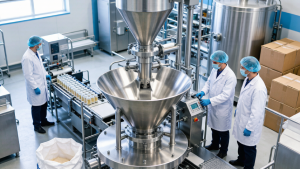
Yes, but strict separation protocols are required. SREKE maintains segregated organic receiving, storage and production areas. Organic ingredients are received on designated days, stored in clearly marked organic-only zones, and processed on dedicated organic lines. All equipment undergoes documented cleaning and verification between conventional and organic production runs.
Step-by-Step Process for Organic Supplement OEM
The organic manufacturing process begins with organic certificate verification for every raw material supplier — each ingredient must arrive with an organic certificate of compliance. Incoming inspection includes organic identity preservation verification. Production follows organic-compliant protocols: only approved non-organic processing aids (up to 5% by weight) are permitted. Finished products are labeled with the certifying body's logo and batch-specific organic tracking numbers. Annual inspection is conducted by the certifying agent to maintain organic status.
USDA Organic vs EU Organic Supplement Manufacturing — Key Differences
| Requirement | USDA Organic | EU Organic |
|---|---|---|
| Organic content | ≥95% organic ingredients | ≥95% organic ingredients |
| Non-organic ingredients | 5% allowed (listed exceptions) | 5% allowed (stricter list) |
| Processing aids | Approved list A | Approved list B (shorter) |
| Inspection frequency | Annual + unannounced | Annual + unannounced |
| Labeling | USDA Organic seal | EU Organic leaf logo |
| Import requirements | NOP equivalence agreements | EU equivalency + COI |
Frequently Asked Questions
What is the cost difference between organic and conventional supplement manufacturing?
Organic supplements typically cost 40-70% more to manufacture due to higher raw material costs (50-100% premium for organic ingredients), dedicated production line setup, and certification body fees. However, retail pricing can support 40-100% premium, maintaining attractive margins.
Can I get organic certification for my brand without owning a facility?
Yes, as a brand owner you can become a certified organic handler by purchasing from an organic-certified manufacturer like SREKE. Your brand can display the organic seal as long as the product is manufactured in a certified facility.
How long does organic certification take?
For products made in an already-certified facility, your brand certification can be processed in 4-8 weeks. For facility-level certification, expect 6-12 months including the initial inspection period.
Can organic supplements contain synthetic excipients?
Only synthetic excipients on the National Organic Program (NOP) allowed list are permitted. Common allowed non-organic ingredients include magnesium stearate, silicon dioxide and select cellulose derivatives — all at limited percentages.
What documentation does SREKE provide for organic products?
Each organic shipment includes the organic certificate of compliance, batch-specific organic traceability report, certificate of analysis and organic transaction certificate.
How to Get Started with SREKE
SREKE operates dedicated organic-certified production lines with full USDA NOP and EU Organic Regulation compliance. Our team provides end-to-end support from organic raw material sourcing to certification documentation. If you are looking for OEM/ODM/CDMO contract manufacturing services, please visit https://www.sreke.com/contact.php to submit your inquiry.