



The global antioxidant supplement market reached approximately $4.2 billion in 2025, with resveratrol, CoQ10 and astaxanthin representing the fastest-growing segments. For brands looking to launch or expand their antioxidant product line, partnering with a contract manufacturer that understands ingredient stability, bioavailability and regulatory compliance is essential.
Why Antioxidant Supplements Matter for Your Product Line
Antioxidant supplements have moved beyond niche health awareness into mainstream consumer demand. US retail sales of antioxidant combination formulas grew by over 18% year-over-year in 2025. For B2B buyers, this means the window to enter this category with differentiated products is still wide open. The challenge lies not in demand but in formulation complexity — antioxidants are notoriously sensitive to light, heat and oxygen, requiring specialized manufacturing processes that not all contract manufacturers can deliver.
Key Factors to Consider When Manufacturing Antioxidant Supplements
What are the most common antioxidant supplement forms?
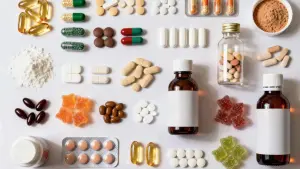
Antioxidants are produced in multiple dosage forms depending on the ingredient and target consumer. Resveratrol and CoQ10 are most commonly formulated as softgels due to their oil-soluble nature, achieving up to 40% better absorption in oil-based carriers. Astaxanthin is also typically delivered in softgel form, while powdered antioxidants like vitamin C, grape seed extract and green tea extract are better suited for hard capsules or stick packs. SREKE offers all dosage forms including softgels (size 4 to 24 oval), hard capsules (size 00 to 4), tablets, powders and gummies.
What MOQ should you expect for custom antioxidant formulations?
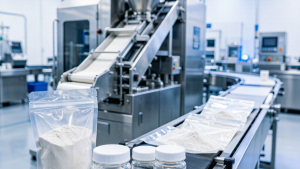
Standard MOQ for antioxidant softgel runs at SREKE starts from 50,000 capsules per formula, while hard capsules start from 100,000 capsules per batch. For powder blending and stick pack filling, MOQ ranges from 10,000 to 25,000 packs depending on pack size. Custom formulations including branded ingredient blends may have higher MOQs due to raw material minimums.
How do you ensure antioxidant stability during manufacturing?
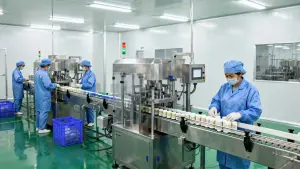
Antioxidants are inherently prone to oxidation during production — an ironic manufacturing challenge. SREKE uses nitrogen-flush processing for oxygen-sensitive ingredients like astaxanthin and CoQ10, controlled low-light production areas, and temperature-monitored blending to prevent degradation. Finished products undergo accelerated stability testing (40°C / 75% RH for 6 months) to verify shelf life.
What certifications are available for antioxidant supplement production?
SREKE's facility maintains GMP, ISO 22000, FDA-registered and Halal certifications. For brands targeting the clean-label segment, organic-certified processing is available for select antioxidant raw materials. All production is traceable from raw material lot to finished batch, with certificates of analysis provided for every production run.
Step-by-Step Process for Private Labeling Antioxidant Supplements
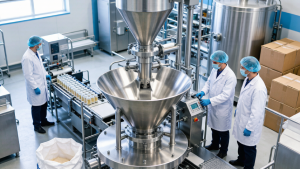
The journey from concept to finished antioxidant supplement typically follows six stages. First, a formulation consultation where your target dosage, release profile (immediate vs sustained), and delivery form are determined. Second, raw material sourcing — SREKE sources resveratrol from Japanese knotweed, CoQ10 from fermented yeast (bio-identical), and astaxanthin from natural Haematococcus pluvialis algae. Third, a pilot batch of 5,000 to 10,000 units for stability and dissolution testing. Fourth, production scale-up with in-process quality control at each stage. Fifth, packaging under controlled conditions with nitrogen flush. Sixth, third-party lab testing before shipment.
Softgels vs Hard Capsules for Antioxidants — Which Is Right for Your Brand?
| Factor | Softgels | Hard Capsules |
|---|---|---|
| Best for | Oil-based ingredients (CoQ10, astaxanthin, Vitamin E) | Dry powders (grape seed, green tea, vitamin C) |
| Absorption | 30-40% higher bioavailability for oil-solubles | Standard, depends on excipient formulation |
| Shelf life | 24-36 months with proper packaging | 24-36 months, more sensitive to moisture |
| Custom color | Yes, opaque or transparent | Yes, gelatin or vegetarian (HPMC) |
| Cost per unit | Moderate | Lower |
| Production speed | 80,000-120,000 capsules/hour | 60,000-100,000 capsules/hour |
Frequently Asked Questions
Can I combine multiple antioxidants in a single formulation?
Yes, combination formulas are common. CoQ10 and resveratrol work synergistically and are frequently paired in anti-aging softgel formulas. However, compatibility testing is essential — some antioxidants may accelerate degradation of others in the same capsule.
Do you offer vegetarian or vegan options for antioxidant softgels?
Yes. SREKE provides both gelatin and vegetarian (HPMC) softgel options. The vegetarian shell is plant-based and suitable for vegan certifications.
What is the typical lead time for a custom antioxidant supplement?
From formulation approval to delivery, lead time is approximately 4-6 weeks for standard formulas and 8-10 weeks for custom formulations requiring new raw material sourcing or specialized packaging.
Can you match an existing supplement formula?
Yes, SREKE offers blind formulation and reverse engineering services. We can analyze your reference product and replicate its active ingredient profile, dissolution characteristics and appearance.
What labeling claims can I make for antioxidant supplements in the US market?
Structure-function claims such as "supports cellular health" and "helps fight free radicals" are permitted with proper substantiation. These statements have not been evaluated by the FDA. Direct disease claims are not permitted.
Do you provide custom packaging for antioxidant supplements?
Yes, we offer custom bottle shapes, label design assistance, blister packs, and stick packs. Minimum packaging MOQ applies separately from production MOQ.
How do you ensure antioxidant supplements meet label claims throughout shelf life?
We conduct HPLC and UV-VIS testing at 0, 3, 6, 12, 18 and 24-month intervals during accelerated stability studies to verify that antioxidant potency stays within specifications (±10% of label claim) throughout the declared shelf life.
How to Get Started with SREKE
SREKE combines over a decade of dietary supplement contract manufacturing experience with state-of-the-art production facilities capable of handling antioxidant formulations from concept to finished product. We provide full documentation including formulation dossiers, certificates of analysis, stability reports and regulatory guidance for your target markets. If you are looking for OEM/ODM/CDMO contract manufacturing services, please visit https://www.sreke.com/contact.php to submit your inquiry.