




The global functional food market reached $287.5 billion in 2025, with nutraceutical bars representing one of the fastest-growing segments at 10.2% CAGR. For private label brands and food entrepreneurs, functional bars — including protein bars, meal replacement bars, energy bars, and wellness bars — offer a unique opportunity to bridge the gap between supplements and everyday nutrition. But manufacturing bars requires an entirely different skill set than capsules or tablets.
Why Functional Bars Matter for Your Product Portfolio
Consumer demand for convenient, on-the-go nutrition continues to accelerate. Over 55% of supplement users say they prefer functional foods over traditional supplement formats for daily intake. Nutraceutical bars meet this demand by delivering targeted nutrition — protein, fiber, vitamins, adaptogens, or probiotics — in a format that requires no water, no measuring, and no swallowing difficulty.
For B2B buyers, the bar category offers higher perceived value, premium pricing (typically $2.50–$4.50 per bar retail), and strong repeat purchase behavior. Distribution opportunities span gyms, health food stores, convenience stores, and e-commerce subscription models.
Key Factors to Consider When Manufacturing Functional Bars
What types of functional bars can be manufactured?
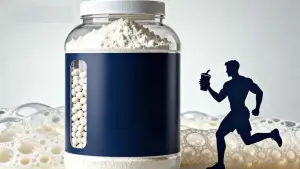
Categories include protein bars (whey, plant-based, collagen), meal replacement bars (complete nutrition profile), energy bars (caffeine, B vitamins, green tea), keto bars (low-carb, high-fat), gut health bars (probiotics, prebiotic fiber), and wellness bars (adaptogens, mushroom extracts, turmeric). At SREKE, we manufacture bars in multiple formats including baked, cold-formed, and layered bars depending on the ingredient profile.
What are the key formulation challenges for nutraceutical bars?
Bar formulation requires balancing taste, texture, nutrient stability, and shelf life. Heat-sensitive ingredients (probiotics, certain vitamins) must be added post-baking. Binding agents must be carefully selected to achieve the right texture without excessive sugars. Moisture content must be controlled to prevent mold growth over the typical 12–18 month shelf life. Our R&D team has formulated over 50 bar SKUs addressing these exact challenges.
What certifications apply to functional food manufacturing?
GMP certification is essential. Depending on distribution channels, you may also need organic certification, gluten-free certification, Halal certification, or non-GMO verification. Some retailers require third-party lab testing for nutritional panel verification. SREKE maintains GMP, Halal, and ISO certifications, supporting both domestic and international distribution.
Step-by-Step: Functional Bar Manufacturing Process
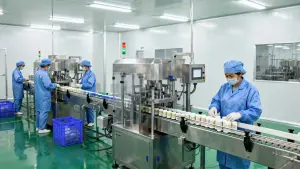
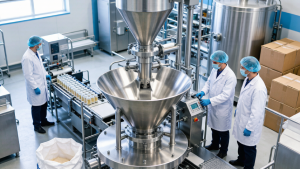
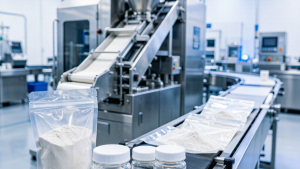
The process begins with formulation development: selecting the nutrient profile, protein source, binder system, flavors, and inclusions. Raw materials undergo identity and purity testing before production. The manufacturing phase involves dry blending, wet binding, forming/cutting, baking (if applicable), cooling, enrobing (if chocolate-coated), and individual bar wrapping. Finished products are tested for nutritional panel accuracy, texture, moisture content, and microbial safety before shipping.
Typical MOQ is 10,000 bars per SKU, with lead times of 30–45 business days for initial orders. Replenishment orders typically ship within 20–25 business days.
Protein Bars vs Meal Replacement Bars vs Wellness Bars — Key Differences
| Bar Type | Target Consumer | Key Ingredients | MOQ | Shelf Life |
|---|---|---|---|---|
| Protein Bars | Athletes, fitness enthusiasts | Whey/pea protein, nuts, fiber | 10,000 units | 12–18 months |
| Meal Replacement Bars | Busy professionals, dieters | Complete protein + vitamins + fiber | 10,000 units | 12 months |
| Keto Bars | Low-carb dieters | MCT oil, collagen, almond flour | 10,000 units | 12 months |
| Wellness/Adaptogen Bars | Wellness-conscious consumers | Mushroom extracts, adaptogens, superfoods | 10,000 units | 12–18 months |
Frequently Asked Questions
What is the minimum order quantity for functional bars?
Standard MOQ is 10,000 bars per SKU. Initial runs may be slightly higher depending on raw material minimums. Contact SREKE to discuss trial batch options for new brand launches.
How long does it take to develop a functional bar formula?
Standard formulation development takes 2–4 weeks, including multiple taste and texture iterations. Stability testing adds an additional 2–4 weeks after final formula agreement.
Can you produce bars with organic ingredients?
Yes. SREKE works with certified organic suppliers for ingredients including organic oats, nuts, seeds, protein powders, and natural sweeteners. Organic formulations require segregated production setup.
What packaging options are available for functional bars?
Options include flow-wrap individual wrapping (foil or plastic film), box packaging for multi-packs, and display-ready cases. Custom branding including logo printing, nutrition panel, and barcodes is included.
Do functional bars require special storage conditions?
Most bars can be stored at ambient temperature (15–25°C) with a shelf life of 12–18 months. Bars with probiotic cultures or heat-sensitive ingredients may require temperature-controlled storage. We provide storage recommendations with every finished product.
Can I add supplements like probiotics or vitamins to bars?
Yes. Heat-sensitive ingredients like probiotics and certain vitamins are added after the baking stage through cold infusion or enrobing. Our process ensures ingredient potency is preserved through the production cycle.
How is the nutritional panel verified for functional bars?
Nutritional analysis is performed by accredited third-party laboratories. Our production batch certificates include moisture, protein, fat, carbohydrate, fiber, and calorie content verified within regulatory tolerances.
How to Get Started with SREKE
Launching a functional bar line requires specialized manufacturing expertise that goes beyond traditional supplement production. SREKE's contract manufacturing facility is equipped to handle bar formulation, production, and packaging — from concept to finished product — with full quality assurance and regulatory documentation support.
If you are looking for OEM/ODM/CDMO contract manufacturing services, please visit https://www.sreke.com/contact.php to submit your inquiry.