




The global dietary supplement market is projected to reach $243.7 billion by 2032, growing at 8.6% CAGR from 2025 levels of approximately $134.6 billion. For private label brands and contract manufacturing partners, understanding these macro trends is essential for strategic product development and market positioning. This report analyzes the key forces shaping the supplement industry in 2026.
Why Supplement Market Trends Matter for Your Business Strategy
For B2B buyers — brand owners, retail chains, and wellness entrepreneurs — market trend awareness directly impacts product portfolio decisions. Launching a product aligned with emerging demand reduces go-to-market risk and increases the probability of retail placement and consumer adoption. Conversely, ignoring trends can lead to inventory carrying costs and missed revenue opportunities. Partnering with an OEM manufacturer that tracks these trends ensures your product development is forward-looking rather than reactive.
Three macro forces dominate 2026: ingredient personalization (AI-driven formulation), sustainability in sourcing and packaging, and the continued rise of functional formats beyond capsules and tablets.
Key Factors to Consider When Planning Your Supplement Line in 2026
Which supplement categories are growing fastest in 2026?
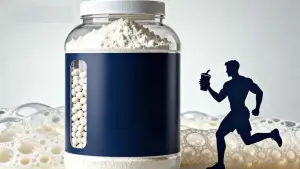
Weight management, gut health, and cognitive support lead growth, each expanding at over 9% CAGR. Sports nutrition continues to grow at 7.5%, driven by plant-based protein demand. Beauty-from-within (collagen, biotin, hyaluronic acid) shows 11% growth in the Asia-Pacific region. Mushroom adaptogens have entered the mainstream, with lion's mane and reishi products growing 23% year-over-year. Women's health supplements — particularly for hormonal balance and menopause support — represent a $2.1 billion market growing at 14% annually.
Which regions offer the best growth opportunities?
Asia-Pacific leads global growth at 9.8% CAGR, driven by rising disposable incomes in China, India, and Southeast Asia. North America remains the largest market at $52 billion, with steady 6.2% growth concentrated in specialty and e-commerce channels. The Middle East and Africa show strong potential for Halal-certified supplements, growing at 10.1% CAGR. Europe's growth is more moderate at 5.3%, with emphasis on clean-label and organic certifications.
What consumer trends are reshaping supplement demand?
Consumers are moving away from one-size-fits-all products toward targeted solutions for specific needs — stress, sleep, energy, immunity, and beauty. Transparency is non-negotiable: 73% of consumers say third-party testing labels influence purchase decisions. Sustainability concerns are driving demand for recyclable packaging, carbon-neutral manufacturing, and ethically sourced ingredients. The rise of subscription models accounts for 22% of online supplement sales, favoring brands with consistent reorder cycles.
How 2026 Trends Influence OEM Manufacturing Decisions
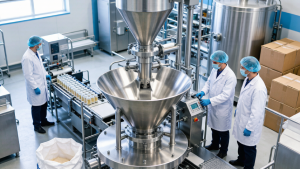
Trend awareness directly impacts manufacturing choices. Brands targeting the personalized nutrition space need flexible formulation capabilities and small-batch production options. Those pursuing the Halal-certified market require partners with active Halal certification and supply chain segregation. Brands focused on sustainability should prioritize OEM partners with solar-powered facilities, recyclable packaging lines, and ethical sourcing programs.
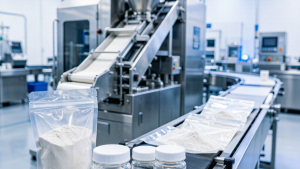
At SREKE, we have adapted our manufacturing infrastructure to support these trends: flexible MOQs for new brand launches, GMP and Halal certifications for global distribution, and packaging line capabilities that support both traditional bottles and eco-friendly stand-up pouches.
2025 vs 2026: How the Supplement Landscape Is Changing
| Aspect | 2025 Landscape | 2026 Shift |
|---|---|---|
| Top Category | Multivitamins | Targeted functional supplements |
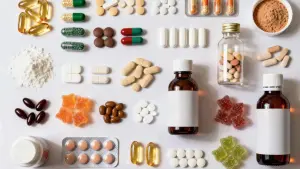
| Preferred Format | Capsules and tablets | Gummies, powders, liquids gaining share |
| Consumer Priority | Price | Transparency + efficacy |
| Ingredient Trend | Single ingredient products | Synergistic multi-ingredient complexes |
| Distribution | Retail + online | D2C + subscription dominant growth |
| Certification Demand | GMP standard | GMP + Halal + Organic + third-party verified |
Frequently Asked Questions
What is the projected size of the supplement market in 2026?
Estimated at approximately $145 billion globally, with continued growth toward $243 billion by 2032 at 8.6% CAGR.
Which supplement category offers the best ROI for new brands?
Gut health (probiotics, digestive enzymes, prebiotic fibers) and women's health (hormone balance, menopause support) show the strongest ROI for new entrants due to high demand growth and relatively low competitive saturation.
Are gummy supplements a lasting trend or a fad?
Gummy supplements represented over $12 billion in 2025 sales with 12% annual growth — clearly a lasting format shift. Consumer preference for palatable, easy-to-consume formats continues to grow across all age groups.
How important is Halal certification for global expansion?
Increasingly critical. The global Halal supplement market is growing at 10.1% CAGR and is projected to reach $38 billion by 2032. Certifying your products opens distribution in Muslim-majority markets across Southeast Asia, the Middle East, and Africa.
What impact is AI having on supplement product development?
AI is accelerating ingredient discovery, optimizing formula combinations, and enabling personalized supplement recommendations. Several contract manufacturers are now using AI-powered formulation tools to reduce R&D cycles by 30–40%.
How are sustainability concerns affecting manufacturing choices?
Brands are increasingly selecting OEM partners based on environmental credentials — renewable energy usage, plastic reduction initiatives, and ingredient traceability programs. Over 40% of new supplement brands cite sustainability as a top-three factory selection criterion.
What is the best go-to-market strategy for a new supplement brand?
E-commerce launch followed by retail expansion remains the most common path. Many successful new brands use a single hero product to build brand awareness, then expand to a full product line within 12–18 months.
How to Get Started with SREKE
Understanding market trends is only the first step — turning insight into action requires a manufacturing partner with the flexibility, certifications, and expertise to execute your vision. SREKE offers comprehensive OEM/ODM/CDMO services across all major dosage forms, with GMP, Halal, and ISO certifications to support your global distribution goals.
If you are looking for OEM/ODM/CDMO contract manufacturing services, please visit https://www.sreke.com/contact.php to submit your inquiry.