




Why Heavy Metal Testing Matters for Supplement Brands
At SREKE, we understand that heavy metal contamination is one of the most critical compliance risks in dietary supplement manufacturing. Regulatory agencies worldwide—including the U.S. FDA, EU's EFSA, and Health Canada—mandate rigorous testing to ensure product safety. Heavy metals like lead, arsenic, cadmium, and mercury can enter supplements through raw botanical ingredients, water, or manufacturing equipment. Without proper testing, brands face severe consequences: product recalls, regulatory warnings, and irreversible damage to consumer trust.
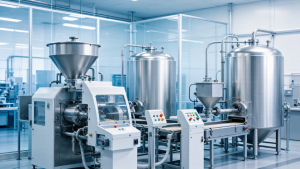
Our GMP-certified facility in Guangzhou implements comprehensive heavy metal screening at every production stage. We follow USP <232> and <233> guidelines for elemental impurities, ensuring every batch meets international safety thresholds. For brand owners, this means your products comply with FDA 21 CFR Part 111 requirements and EU Regulation (EC) No 1925/2006.
Key Manufacturing Considerations at SREKE
1. Incoming Raw Material Testing
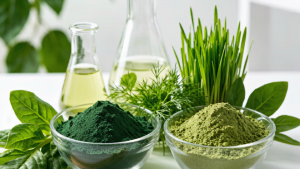
Every botanical extract, mineral, and excipient undergoes heavy metal analysis before entering production. We require Certificates of Analysis (CoA) from our suppliers and conduct our own ICP-MS (Inductively Coupled Plasma Mass Spectrometry) verification. Our acceptance criteria align with USP limits: lead (≤0.5 ppm), arsenic (≤1 ppm), cadmium (≤0.3 ppm), and mercury (≤0.1 ppm) for most herbal ingredients.
2. In-Process Controls
During manufacturing, we monitor environmental controls and equipment integrity to prevent cross-contamination. Our HACCP plan identifies heavy metal risks at each production step, from blending to encapsulation. Regular swab tests and water system monitoring ensure our GMP facility maintains contaminant-free conditions.
3. Finished Product Verification
Before release, every batch undergoes final heavy metal testing. We provide full analytical reports with our CoAs, documenting compliance with your specification limits. For private-label brands, we can adjust testing protocols to meet specific market requirements—whether for the U.S., EU, or Asian markets.
How SREKE Helps You Get to Market Faster
At SREKE, we streamline compliance without compromising safety. Our integrated QA team handles heavy metal testing alongside other quality checks, reducing turnaround time. Typical lead times for supplement manufacturing are 4–8 weeks, depending on formulation complexity and packaging. We support both OEM and ODM projects, with low MOQs starting at 5,000 units for most formats.
We also assist with compliance documentation for FDA facility registration and EU food business operator requirements. Our team stays updated on regulatory changes, ensuring your products remain compliant as standards evolve.
Industry Trends and Market Opportunities
The global dietary supplement market continues to grow, with consumers increasingly demanding transparency about ingredient safety. Third-party testing certifications—such as NSF Certified for Sport or USP Verified—are becoming differentiators that build brand credibility. Brands that prioritize heavy metal testing not only meet regulatory obligations but also gain a competitive edge in an informed marketplace.
At SREKE, we invest in advanced testing equipment and continuous staff training to maintain our position as a reliable contract manufacturer. Our clients benefit from our expertise in navigating complex compliance landscapes across multiple regions.
Frequently Asked Questions
How often should heavy metal testing be performed?
Testing should occur at three critical points: incoming raw materials, in-process stages, and finished products. At SREKE, we test every batch of raw ingredients and conduct finished product analysis for each production run.
What heavy metals are most concerning in supplements?
The four primary contaminants are lead, arsenic, cadmium, and mercury. These can accumulate in the body over time and cause serious health effects. Our testing covers these and other elemental impurities as defined by USP and EFSA.
Can SREKE help with FDA compliance documentation?
Yes. We provide comprehensive quality records, including CoAs, test reports, and GMP documentation. Our team can support your FDA facility registration and dietary supplement current good manufacturing practice (cGMP) compliance.
What is your minimum order quantity (MOQ)?
MOQs vary by product format. For softgels and capsules, we typically start at 5,000 units. Tablets and powders may have higher MOQs. Contact our team for a quote tailored to your project.
Do you offer private-label services?
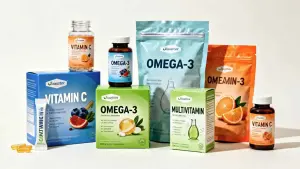
Absolutely. We provide full OEM/ODM solutions, from formulation development to packaging design. Our facility produces softgels, capsules, tablets, powders, gummies, and liquids—all under strict GMP conditions.
Ready to launch your supplement brand? SREKE provides GMP-certified OEM/ODM manufacturing for softgels, capsules, tablets, powders, gummies, and liquids. Contact us for a free quote or email [email protected] — we respond within 24 hours.