





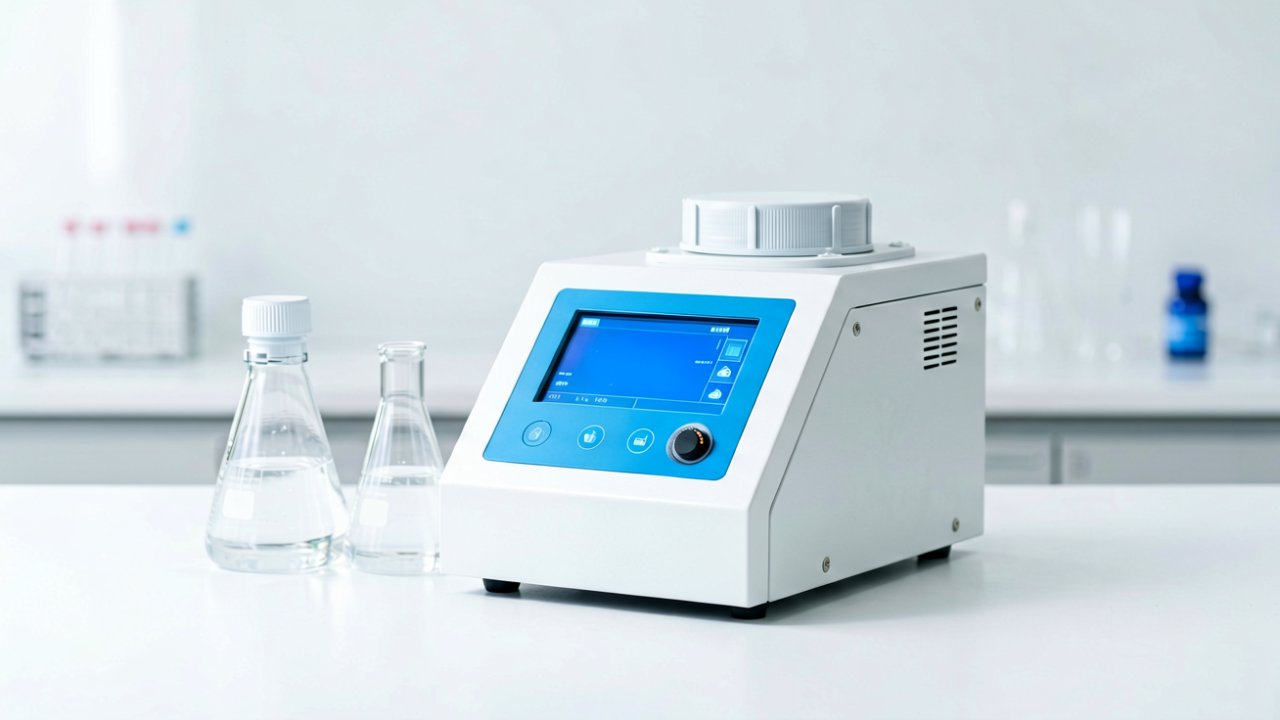
Why Heavy Metal Testing Matters for Supplement Brands
At SREKE, we understand that heavy metal contamination is one of the most critical quality and compliance risks facing supplement brands today. Raw botanical ingredients — particularly those derived from herbs, roots, and marine sources — can accumulate lead, cadmium, arsenic, and mercury from soil, water, and processing equipment. For brand owners, failing to address this risk means exposing consumers to harmful levels of contaminants and inviting regulatory action.
The U.S. Food and Drug Administration (FDA) does not currently set specific tolerable daily intake limits for heavy metals in dietary supplements, but it has issued advisory levels and expects manufacturers to ensure product safety under the Dietary Supplement Health and Education Act (DSHEA). Meanwhile, California Proposition 65 mandates warning labels when exposure exceeds established safe harbor levels, and the European Food Safety Authority (EFSA) has published maximum levels for lead, cadmium, and mercury in food supplements.
At SREKE, we treat heavy metal testing as a non-negotiable stage in our manufacturing process. Our GMP-certified facility in Guangzhou subjects every incoming raw material batch and finished product lot to rigorous elemental analysis, ensuring compliance with USP <232> (Elemental Impurities) and USP <233> (Elemental Contaminants) standards — the two pharmacopeial chapters that define acceptable limits for arsenic, cadmium, lead, and mercury in pharmaceutical and supplement products.
Key Manufacturing Considerations at SREKE
Raw Material Sourcing and Supplier Qualification
Our process begins before manufacturing. At SREKE, we qualify every raw material supplier against documented specifications that include heavy metal limits. We require Certificates of Analysis (CoA) from ISO 17025-accredited laboratories for each ingredient batch. Ingredients with a higher inherent risk — such as ashwagandha, turmeric, green tea extract, and marine-derived omega-3s — receive additional screening at our facility.
- USP <232> Permitted Daily Exposure (PDE) limits: Arsenic (3.5 µg/day), Cadmium (5.0 µg/day), Lead (5.0 µg/day), Mercury (1.0 µg/day)
- California Prop 65 safe harbor levels: Lead (0.5 µg/day), Cadmium (4.1 µg/day for oral supplements), Arsenic (3.5 µg/day), Mercury (1.0 µg/day)
- EFSA maximum levels for food supplements: Lead (0.3 mg/kg), Cadmium (0.05 mg/kg), Mercury (0.5 mg/kg)
Incoming Material Testing Protocol
Upon receipt at our Guangzhou facility, each raw material lot is sampled according to statistically valid procedures and tested for elemental contaminants using Inductively Coupled Plasma Mass Spectrometry (ICP-MS) or Inductively Coupled Plasma Optical Emission Spectroscopy (ICP-OES). These are the industry-recognized methods specified in USP <233> for determining trace metal levels down to parts-per-billion (ppb) sensitivity.
Materials that fail to meet our internal acceptance criteria — which are often stricter than regulatory minimums — are quarantined and returned to the supplier. We do not release non-compliant materials into production.
In-Process and Finished Product Testing
Heavy metal testing at SREKE is not limited to incoming materials. We perform in-process checks at critical control points and conduct full elemental profiling on every finished product lot before release. Our Quality Assurance team verifies that final products comply with the specifications defined in the product formula, whether those specifications reference USP limits, Prop 65 thresholds, or customer-defined requirements.
Third-Party Verification and Documentation
At SREKE, we provide comprehensive compliance documentation with every order, including:
- Batch-specific Certificates of Analysis for heavy metals
- Raw material CoAs from accredited third-party laboratories
- GMP compliance records aligned with FDA 21 CFR Part 111 and WHO GMP guidelines
- HACCP plan documentation covering contaminant control
- ISO 9001 quality management system records
How SREKE Helps You Get to Market Faster
Understanding the regulatory landscape is only the first step. At SREKE, we integrate heavy metal compliance directly into our OEM and ODM manufacturing workflow so that your product clears quality gates without delays.
Formulation Support
Our in-house R&D team works with you during the formulation stage to select raw materials and excipients that inherently carry lower heavy metal risk. We advise on ingredient sourcing geography — for example, botanicals grown in regions with known soil contamination profiles are flagged for additional testing — and help you design formulas that meet your target market's regulatory requirements from the outset.
Streamlined Compliance Documentation
For brands targeting the United States, we prepare documentation that supports FDA compliance and Prop 65 adherence. For European market entries, we align testing protocols with EFSA maximum levels and EU Regulation (EC) No 1925/2006 on vitamins and minerals. Our team coordinates with your regulatory counsel to ensure documentation meets your specific market requirements.
Scalable Production with Consistent Quality
Whether your order is at our standard MOQ or a larger volume commitment, our GMP-certified facility maintains the same testing rigor across every batch. We produce softgels, capsules, tablets, powders, gummies, and liquids — each format subject to the same heavy metal testing standards. Our typical lead time from formula finalization to shipment is designed to minimize time-to-market without compromising quality.
Contact our team to discuss your project requirements, including formulation support, packaging options, and compliance documentation for your target markets.
Industry Trends and Market Opportunities
At SREKE, we observe several trends shaping how supplement brands approach heavy metal testing and compliance:
- Increasing regulatory scrutiny: The FDA has intensified post-market surveillance of dietary supplements, and state-level enforcement of Prop 65 continues to grow. Brands that proactively demonstrate heavy metal compliance gain a competitive advantage in retailer and distributor evaluations.
- Consumer demand for transparency: Modern supplement buyers increasingly request third-party testing data and Certificates of Analysis. Brands that provide this information openly build stronger trust and differentiate themselves in a crowded marketplace.
- Expansion into botanical and functional ingredients: The growing popularity of adaptogens, herbal extracts, and superfood blends — categories with higher inherent heavy metal risk — makes rigorous testing more important than ever. SREKE has extensive experience formulating and manufacturing products in these high-risk categories.
- Global market access: Brands expanding beyond the U.S. must navigate divergent regulatory frameworks. Our ODM services include market-specific formulation adjustments and testing protocols for the EU, Southeast Asia, the Middle East, and other regions.
- USP compliance as a quality benchmark: Adoption of USP <232> and <233> standards is becoming an industry expectation, not just a regulatory requirement. Partnering with a manufacturer that already operates to these standards reduces your compliance burden significantly.
Frequently Asked Questions
What heavy metals are tested in supplement manufacturing?
At SREKE, we test for the four primary elemental contaminants identified in USP <232> and <233>: arsenic, cadmium, lead, and mercury. These metals are the most likely to accumulate in botanical and mineral-based ingredients and carry the most stringent regulatory thresholds.
Does the FDA require heavy metal testing for dietary supplements?
The FDA does not mandate pre-market heavy metal testing for dietary supplements under DSHEA. However, the FDA expects manufacturers to ensure product safety and has issued advisory levels for lead, cadmium, arsenic, and mercury. Failure to test and control heavy metals could result in regulatory action for adulteration. At SREKE, we exceed baseline expectations by testing every batch against USP and Prop 65 standards.
What is California Proposition 65 and how does it affect supplement brands?
Proposition 65 requires businesses to provide clear warnings if their products expose consumers to chemicals known to cause cancer or reproductive toxicity above safe harbor levels. For supplements, the relevant thresholds include lead (0.5 µg/day), cadmium (4.1 µg/day for oral supplements), inorganic arsenic (3.5 µg/day), and mercury (1.0 µg/day). Products exceeding these levels must carry a Prop 65 warning or be reformulated. We ensure all SREKE-manufactured products comply with these limits.
How does SREKE handle heavy metal testing for international markets?
Our testing protocols are adaptable to the regulatory requirements of each target market. For the European Union, we align with EFSA maximum levels and EU food supplement regulations. For the United States, we meet USP standards and Prop 65 thresholds. Our Quality Assurance team documents all testing results and provides market-specific compliance records with every shipment.
What is SREKE's minimum order quantity (MOQ)?
Our MOQ varies by product format — softgels, capsules, tablets, powders, gummies, and liquids each have different minimum run sizes. Contact our team for specific MOQ details relevant to your product type and target volume.
How long does the manufacturing process take from formula to shipment?
Lead times depend on product complexity, packaging requirements, and order volume. Our team provides a detailed timeline during the quoting process. We prioritize efficient production scheduling while maintaining full compliance testing at every stage.
Can SREKE help with private-label supplement brands?
Yes. We offer both OEM (your formula, our manufacturing) and ODM (our existing formulas, customized for your brand) services. Our team supports you through formulation, testing, packaging design, and compliance documentation — all under one roof at our GMP-certified facility.
Ready to launch your supplement brand? SREKE provides GMP-certified OEM/ODM manufacturing for softgels, capsules, tablets, powders, gummies, and liquids. Contact us for a free quote or email [email protected] — we respond within 24 hours.