





Why 3D Printing Supplements Technology Matters for Supplement Brands
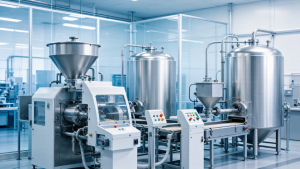
At SREKE, we recognize that 3D printing supplements technology represents a transformative shift in how dietary supplements are designed and manufactured. This advanced approach enables unprecedented precision in dosing, complex geometric forms, and rapid prototyping—capabilities that traditional compression or encapsulation methods cannot easily replicate. According to industry analyses from Grand View Research (2024), the global 3D printing in healthcare sector is projected to exceed $XX billion by 2030, with personalized nutrition emerging as a key growth driver. For supplement brand owners, this technology supports faster iteration, reduced material waste, and the ability to produce highly customized formulations that align with evolving consumer demands for targeted wellness solutions.
Our facility in Guangzhou, China, operates under strict GMP (Good Manufacturing Practice) certification and integrates emerging additive manufacturing processes while maintaining compliance with FDA and EFSA regulatory frameworks. We emphasize that 3D printed supplements are classified as dietary supplements under existing regulations, and all our output undergoes rigorous quality testing to ensure safety, potency, and label accuracy.
Key Manufacturing Considerations at SREKE
Minimum Order Quantity (MOQ)
3D printing technology allows us to offer flexible MOQs tailored to brand needs, particularly for prototyping and limited‑edition runs. Traditional manufacturing often requires high MOQs to justify tooling costs, but additive methods reduce upfront investment. At SREKE, we work with you to determine an MOQ that balances cost‑effectiveness with your launch timeline, supporting both small‑batch testing and scalable production.
Lead Time
One of the most significant advantages of 3D printing supplements is accelerated time‑to‑market. Digital file‑based production eliminates many setup delays associated with molds and dies. Our streamlined workflow—from formulation finalization to printed product—can reduce lead times by up to 40% compared to conventional methods. We prioritize efficient project management to ensure your product reaches consumers quickly without compromising quality.
Formulation
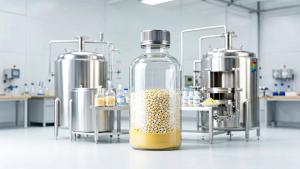
Precision dosing is a cornerstone of 3D printed supplements. Our technology enables layer‑by‑layer deposition of active ingredients, allowing for complex multi‑compound matrices and customized dosage strengths. This supports formulation innovation such as sustained‑release profiles or geometrically optimized shapes that enhance consumer compliance. At SREKE, our R&D team collaborates with you to develop formulations that meet your specifications while adhering to GRAS (Generally Recognized as Safe) ingredient lists and regulatory limits.
Packaging
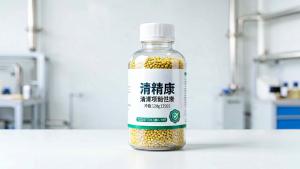
We integrate 3D printed supplements with appropriate packaging solutions that protect product integrity and meet labeling requirements. Our facility offers a range of packaging options—including bottles, blister packs, and sachets—selected based on product stability, shelf‑life, and brand aesthetics. All packaging complies with FDA and EFSA guidelines for dietary supplement labeling, including accurate ingredient disclosure and nutrient content claims.
Compliance
Compliance is non‑negotiable at SREKE. Our GMP‑certified facility adheres to ISO 22000 and HACCP standards, ensuring consistent quality and safety throughout the manufacturing process. We maintain detailed documentation for each batch, including raw‑material testing, in‑process controls, and finished‑product verification. Our quality assurance team stays current with evolving FDA and EFSA regulations, providing you with confidence that your 3D printed supplements meet all legal and safety requirements.
How SREKE Helps You Get to Market Faster
At SREKE, we have designed a streamlined OEM/ODM partnership process to bring your supplement concept to life efficiently. Our steps include:
- Consultation & Feasibility: We assess your formulation ideas, target market, and regulatory landscape to determine the best manufacturing approach.
- Formulation Development: Our scientists refine your recipe, ensuring ingredient compatibility, stability, and precise dosing.
- Digital Prototyping: Using 3D printing technology, we produce sample units for your review and testing.
- Quality Testing: Samples undergo rigorous lab analysis for potency, purity, and compliance.
- Production & Packaging: Upon approval, we scale manufacturing while maintaining GMP standards and delivering finished products ready for distribution.
This end‑to‑end service reduces fragmentation and accelerates your launch timeline. Contact our team to discuss how we can support your brand’s growth.
Industry Trends and Market Opportunities
The dietary supplement industry is increasingly embracing personalization and technology‑driven manufacturing. According to Mintel (2024), over 60% of consumers express interest in supplements tailored to their individual health needs. 3D printing positions brands to meet this demand by enabling on‑demand production of customized formulas. Additionally, sustainability is a growing priority; additive manufacturing minimizes material waste compared to subtractive processes, aligning with eco‑conscious brand values.
At SREKE, we monitor these trends closely and invest in R&D to offer cutting‑edge solutions. Our Guangzhou facility combines advanced 3D printing capabilities with decades of OEM/ODM expertise, providing brand owners with a competitive edge in a dynamic market.
Frequently Asked Questions
Is 3D printed supplement manufacturing compliant with FDA and EFSA regulations?
Yes. 3D printed supplements are regulated as dietary supplements under existing FDA and EFSA frameworks. At SREKE, our GMP‑certified processes ensure that every product meets safety, labeling, and quality standards required by these authorities.
What are the typical MOQs for 3D printed supplements?
MOQs vary based on formulation complexity and packaging requirements. We offer flexible options, starting from prototype batches as low as 100 units, scaling up to full production runs. Our team will provide a customized quote during consultation.
How does lead time compare to traditional supplement manufacturing?
3D printing can reduce lead times by 30–50% for initial launches and reformulations, primarily due to eliminated tooling steps. However, final timelines depend on formulation approval, testing, and packaging selection. We provide realistic schedules during project planning.
Can 3D printing accommodate complex ingredient combinations?
Absolutely. Our technology supports multi‑compound matrices with precise dosing of vitamins, minerals, botanicals, and other GRAS ingredients. We conduct stability testing to ensure compatibility and potency throughout shelf life.
Does SREKE provide packaging and labeling support?
Yes. We offer a range of packaging solutions and ensure all labels comply with FDA/EFSA requirements, including ingredient lists, supplement facts, and health claims. Our team can guide you through regulatory‑compliant design.
Ready to launch your supplement brand? SREKE provides GMP‑certified OEM/ODM manufacturing for softgels, capsules, tablets, powders, gummies, and liquids. Contact us for a free quote or email [email protected] — we respond within 24 hours.