

Why Cold Press vs Traditional Softgel Manufacturing Matters for Supplement Brands
At SREKE, we understand that choosing the right manufacturing process directly impacts product quality, cost, and speed to market. Softgel encapsulation is one of the most popular delivery formats for dietary supplements, and the method used can influence bioavailability, stability, and compliance with global standards like FDA cGMP and ISO 22000.
Traditional softgel manufacturing uses a batch-based rotary die process, where gelatin or hydrolysate sheets are sealed around liquid or semi-solid fills. This method is well-established, cost-effective, and suitable for a wide range of formulations. Cold press softgel manufacturing, by contrast, is a continuous low-temperature process that preserves heat-sensitive ingredients such as certain oils, botanical extracts, and probiotics. It also reduces the risk of thermal degradation and supports higher potency claims.
For supplement brand owners, these differences affect formulation flexibility, minimum order quantities (MOQ), lead times, and packaging options. At SREKE, we offer both processes under GMP-certified conditions, ensuring every batch meets stringent quality and regulatory requirements.
Key Manufacturing Considerations at SREKE
Formulation Compatibility
- Traditional softgels: Ideal for oil-based ingredients, fat-soluble vitamins, and stable emulsions. Compatible with standard gelatin, vegetarian, and hydrolyzed gelatin shells.
- Cold press softgels: Best for heat-sensitive actives, delicate botanicals, and formulations requiring lower processing temperatures (typically below 40°C).
Quality Standards & Compliance
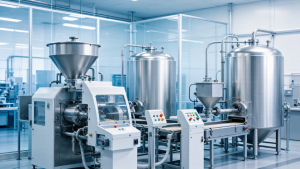
Our facility operates under FDA-registered cGMP, ISO 22000, and HACCP protocols. All processes are validated for consistency, contamination control, and label claim accuracy. We support third-party testing and can provide Certificates of Analysis (CoA) for every batch.
MOQ & Lead Time
- Traditional softgel MOQ: Typically 50,000–100,000 units per SKU.
- Cold press softgel MOQ: Often higher due to specialized equipment, usually 100,000–200,000 units.
- Lead times: 4–8 weeks for traditional; 6–10 weeks for cold press, depending on formulation complexity and packaging.
Packaging Options
We offer blister packs, PET bottles, HDPE containers, and custom labeling. All packaging materials are food-grade and compliant with FDA and EU regulations. Cold press softgels may require moisture-barrier packaging to preserve stability.
How SREKE Helps You Get to Market Faster
At SREKE, we streamline the OEM/ODM process from formulation development to final packaging. Our in-house R&D team supports you with:
- Ingredient sourcing and compatibility testing
- Prototype development and shelf-life studies
- Regulatory documentation (FDA, EFSA, Health Canada)
- Small-batch trials before full-scale production
We also provide flexible contract terms, transparent pricing, and dedicated project management to ensure your product launches on time and within budget.
Industry Trends and Market Opportunities
The global softgel market continues to grow, driven by consumer demand for convenient, bioavailable supplements. Key trends include:
- Clean-label and vegetarian options: Hydrolyzed gelatin and plant-based shells are gaining traction.
- Heat-sensitive formulations: Brands are increasingly choosing cold press to protect probiotics, omega-3s, and botanical extracts.
- Sustainability: Eco-friendly packaging and energy-efficient manufacturing are becoming competitive advantages.
At SREKE, we stay ahead of these trends by investing in continuous processing technology and sustainable practices, ensuring our partners can meet evolving market expectations.
Frequently Asked Questions
What is the difference between cold press and traditional softgel manufacturing?
Cold press is a continuous, low-temperature process ideal for heat-sensitive ingredients. Traditional softgel manufacturing is a batch-based rotary die process suitable for a broader range of formulations, including stable oils and emulsions.
Which process is more cost-effective?
Traditional softgel manufacturing generally has lower per-unit costs and smaller MOQs. Cold press involves higher setup costs but can reduce waste and improve yield for sensitive formulations.
Can SREKE handle both processes under one roof?
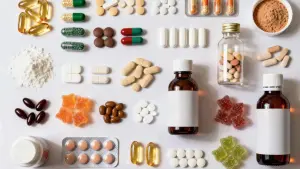
Yes. Our GMP-certified facility in Guangzhou is equipped for both traditional and cold press softgel production, along with capsules, tablets, powders, gummies, and liquids.
What documentation do you provide for compliance?
We supply CoA, GMP certificates, ISO 22000 registration, FDA facility registration, and support for New Dietary Ingredient (NDI) notifications where applicable.
How long does it take to launch a softgel product?
Typically 6–12 weeks from formulation approval to shipment, depending on process type, packaging, and regulatory requirements.
Ready to launch your supplement brand? SREKE provides GMP-certified OEM/ODM manufacturing for softgels, capsules, tablets, powders, gummies, and liquids. Contact us for a free quote or email [email protected] — we respond within 24 hours.