

Why Cold Press vs Traditional Softgel Manufacturing Matters for Supplement Brands
At SREKE, we understand that the manufacturing method you choose directly impacts your product's quality, cost structure, and time to market. For supplement brand owners, the decision between cold press and traditional softgel encapsulation is one of the most consequential choices you will make.
Traditional softgel manufacturing has been the industry standard for decades. It involves melting gelatin, glycerin, and water at temperatures typically between 50°C and 70°C, then encapsulating liquid or semi-solid fills using rotary die technology. The process requires a drying phase lasting 12 to 24 hours to reduce moisture content to acceptable levels.
Cold press softgel manufacturing, by contrast, operates at temperatures below 40°C. This lower-temperature approach preserves the structural and functional integrity of heat-sensitive ingredients that would otherwise degrade during conventional processing. For brands formulating with probiotics, certain vitamins, omega-3 fatty acids, or botanical extracts, cold press can be the difference between a potent product and one that loses efficacy before it reaches the consumer.
The global softgel market was valued at approximately USD 8.5 billion in 2023 and is projected to grow at a compound annual growth rate of 5.2% through 2030, according to industry analysis from Grand View Research. Within this expanding market, consumer demand for clean-label, high-potency, and thermally stable formulations continues to drive innovation in encapsulation technology.
Key Manufacturing Considerations at SREKE
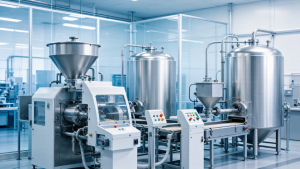
At SREKE, our GMP-certified manufacturing facility in Guangzhou supports both cold press and traditional softgel production lines. We evaluate each client's formulation against several critical parameters before recommending a manufacturing approach.
Ingredient Thermal Sensitivity
Some of the most common ingredients affected by heat during traditional softgel processing include:
- Probiotics: Strains such as Lactobacillus and Bifidobacterium begin to lose viability at temperatures above 40°C. Cold press manufacturing is strongly recommended for probiotic softgels.
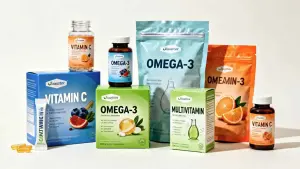
- Omega-3 fatty acids: EPA and DHA are susceptible to oxidation when exposed to elevated temperatures. Cold press processing reduces peroxide value formation and preserves antioxidant status.
- Vitamin C (ascorbic acid): Heat accelerates degradation. Cold press helps maintain label-stated potency throughout shelf life.
- Coenzyme Q10: This molecule degrades under thermal stress. Lower-temperature encapsulation supports long-term stability.
- Botanical extracts: Many phytochemicals are thermolabile. Cold press preserves the full spectrum of active compounds.
Fill Volume and Viscosity
Traditional softgel manufacturing accommodates a wider range of fill viscosities, including highly viscous or semi-solid formulations. Cold press is optimally suited for liquid and low-to-medium viscosity fills. At SREKE, our engineering team evaluates fill properties during the formulation consultation phase to determine the most viable production method.
Shell Composition and Appearance
Traditional softgels typically produce a smoother, more uniform shell with consistent gloss. Cold press softgels may exhibit slight surface texture variations, though our quality control protocols ensure all products meet pharmacopeial standards for weight variation, disintegration, and dissolution.
MOQ and Cost Structure
At SREKE, we work with brand owners across a range of order volumes. Traditional softgel production generally allows for lower minimum order quantities due to established line efficiency. Cold press runs may carry a slightly higher MOQ threshold because of specialized tooling requirements. We provide transparent cost breakdowns during the quoting process so you can make an informed decision aligned with your budget and volume targets.
Lead Time
Traditional softgel manufacturing typically requires 4 to 6 weeks from formula finalization to shipment, including the drying phase. Cold press manufacturing can reduce overall lead time by eliminating the extended drying cycle, potentially delivering finished product in 3 to 5 weeks depending on formulation complexity and packaging requirements.
Compliance and Certification
Regardless of the manufacturing method selected, every product at SREKE is produced under strict GMP (Good Manufacturing Practice) conditions. Our facility is certified to ISO 22000 and HACCP standards. We support FDA registration requirements for U.S. market entries and can assist with EFSA compliance documentation for European formulations. All raw materials are sourced from verified suppliers with full Certificate of Analysis documentation.
How SREKE Helps You Get to Market Faster
At SREKE, we streamline the journey from concept to shelf through an integrated OEM and ODM service model. Here is how we support your timeline:
- Formulation Development: Our in-house R&D team works with your specifications or develops proprietary formulas tailored to your brand positioning. We handle ingredient sourcing, compatibility testing, and stability assessment.
- Regulatory Support: We provide documentation packages including GMP certificates, COAs, and formulation compliance reviews. Our team stays current with FDA dietary supplement regulations and EFSA health claim guidelines.
- Packaging Solutions: We offer a range of packaging options including amber glass bottles, PET containers, blister packs, and unit-dose sachets. Packaging design and labeling are managed in compliance with applicable regulatory requirements.
- Quality Assurance: Every batch undergoes incoming material inspection, in-process testing, and finished product analysis. We conduct accelerated and long-term stability testing to establish shelf life and storage conditions.
- Scalable Production: Whether you need 5,000 units for a launch batch or 500,000 units for full-scale distribution, our flexible manufacturing lines adapt to your volume requirements.
Industry Trends and Market Opportunities
The supplement industry is experiencing several trends that directly influence manufacturing decisions:
- Clean-label demand: Consumers increasingly prefer products with minimal, recognizable ingredients. Cold press manufacturing supports clean-label positioning by avoiding thermal degradation byproducts.
- Precision dosing: Softgels offer accurate, consistent dosing for liquid and semi-solid actives. This makes them ideal for high-potency formulations where dose accuracy is critical.
- Plant-based alternatives: While traditional softgel shells are gelatin-based, SREKE also offers pectin-based and other vegetarian softgel options for brands targeting plant-forward positioning.
- Personalized nutrition: The rise of personalized supplement programs creates demand for smaller, flexible production runs. Our ODM capabilities support both high-volume and boutique-scale orders.
- Sustainability: Manufacturers are investing in energy-efficient processes and sustainable packaging. Cold press manufacturing, with its reduced energy requirements for heating and drying, aligns with sustainability goals.
At SREKE, we monitor these trends closely and incorporate relevant innovations into our service offerings. Our product development team regularly updates formulation libraries and packaging portfolios to reflect evolving market expectations.
Frequently Asked Questions
What is the main difference between cold press and traditional softgel manufacturing?
The primary difference is temperature. Traditional softgel manufacturing processes materials at 50°C to 70°C, while cold press operates below 40°C. This lower temperature in cold press manufacturing protects heat-sensitive ingredients from degradation, preserving potency and bioavailability throughout the product's shelf life.
Which method is better for probiotic softgels?
Cold press is strongly recommended for probiotic softgels. Probiotic strains lose viability at elevated temperatures, and cold press manufacturing minimizes thermal stress during encapsulation. At SREKE, we recommend cold press for any formulation containing live cultures.
What are the MOQ requirements at SREKE?
MOQ requirements vary depending on the product type, manufacturing method, and packaging configuration. Traditional softgel runs may start at lower volumes, while cold press runs may have slightly higher thresholds due to specialized setup. Contact our team for specific MOQ information tailored to your product concept.
How long does production take from order to shipment?
Typical lead times range from 3 to 6 weeks depending on the manufacturing method, formulation complexity, and packaging requirements. Cold press can sometimes reduce lead time by eliminating the extended drying phase required in traditional softgel production. Rush production is available for time-sensitive launches.
Can SREKE handle FDA and EFSA compliance?
Yes. Our facility operates under GMP certification and maintains ISO 22000 and HACCP compliance. We support FDA dietary supplement registration requirements and can provide documentation packages for EFSA compliance. Our regulatory team assists with ingredient safety assessments and label review.
What types of packaging do you offer?
We offer a comprehensive range of packaging solutions including amber glass bottles, PET plastic containers, HDPE bottles, blister packs, aluminum strip packaging, and unit-dose sachets. Custom packaging design and private-label printing services are available. All packaging materials meet relevant food-contact safety standards.
Do you offer ODM services or only OEM?
SREKE provides both OEM and ODM services. As an OEM partner, we manufacture according to your exact specifications. As an ODM partner, our R&D team can develop proprietary formulas, recommend ingredient combinations, and create ready-to-market products that you can brand as your own.
How do you ensure product stability and shelf life?
We conduct accelerated stability testing at elevated temperature and humidity conditions, as well as long-term stability studies at recommended storage conditions. Testing parameters include potency analysis, microbiological evaluation, dissolution testing, and organoleptic assessment. Results inform shelf-life declarations and storage recommendations on your product label.
What certifications does SREKE hold?
SREKE holds GMP certification, ISO 22000 certification, and HACCP certification. We also maintain Kosher and Halal certification options for select product lines. Third-party audit reports are available upon request for qualified partners.
Can I visit the manufacturing facility?
We welcome facility visits for qualified brand partners. Our Guangzhou manufacturing campus is open for scheduled tours. Contact our team to arrange a visit and speak directly with our production and quality assurance managers.
Ready to launch your supplement brand? SREKE provides GMP-certified OEM/ODM manufacturing for softgels, capsules, tablets, powders, gummies, and liquids. Contact us for a free quote or email [email protected] — we respond within 24 hours.