


Why Cold Press vs Traditional Softgel Manufacturing Matters for Supplement Brands
At SREKE, we understand that choosing the right manufacturing process is one of the most critical decisions for supplement brands. The difference between cold press and traditional softgel manufacturing directly impacts product quality, cost structure, regulatory compliance, and time-to-market. As consumer demand grows for clean-label, high-potency supplements, brands must evaluate which production method aligns with their quality standards and business goals.
Traditional softgel manufacturing typically involves high-temperature processing and chemical solvents during extraction and encapsulation. Cold press technology, conversely, uses mechanical pressure at controlled temperatures to preserve bioactive compounds without heat degradation or synthetic solvents. For brand owners, this distinction affects formulation flexibility, ingredient stability, and final product efficacy.
Key Manufacturing Considerations at SREKE
Cold Press Softgel Manufacturing
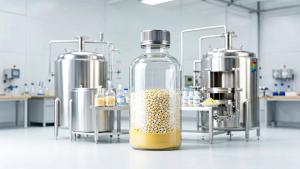
At SREKE, our cold press facility operates under strict GMP, ISO 22000, and HACCP standards. This method processes heat-sensitive ingredients like omega-3 fatty acids, fat-soluble vitamins, and botanical extracts at temperatures below 40°C, preserving molecular integrity. Our cold press process eliminates residual solvent concerns and supports clean-label positioning.
Key advantages include:
- Preservation of thermolabile compounds and natural antioxidants
- No chemical solvent residues in final products
- Higher bioavailability of certain omega-3 and phytonutrient formulations
- Clean-label compliance for brands targeting health-conscious consumers
- Reduced oxidation during processing
Considerations at SREKE include higher per-unit costs compared to traditional methods and specific MOQ requirements for cold press runs. Our team evaluates formulation compatibility during the initial consultation to ensure optimal results.
Traditional Softgel Manufacturing
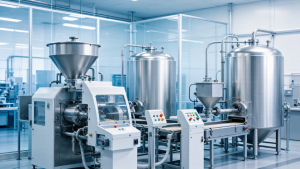
Our traditional softgel production lines utilize established encapsulation technologies with precise temperature and pressure controls. This method supports high-volume manufacturing with shorter lead times and competitive pricing. Traditional processes accommodate a wider range of formulation viscosities and excipient combinations.
Key advantages include:
- Lower minimum order quantities for market testing
- Faster production cycles and reduced lead times
- Cost-effective for high-volume commodity formulations
- Proven stability profiles for standard vitamin and mineral blends
- Flexible packaging options including blister and bottle formats
SREKE maintains full regulatory compliance for traditional manufacturing, with all processes documented according to FDA 21 CFR Part 111 and EU GMP guidelines. Our quality control team conducts incoming material testing, in-process verification, and finished product analysis.
Formulation and Compliance Factors
At SREKE, we evaluate each formulation for process compatibility during development. Our technical team assesses ingredient solubility, stability, and regulatory status before recommending manufacturing approaches. We maintain comprehensive documentation supporting FDA registration, EFSA compliance, and international market requirements including Health Canada and TGA approvals.
Our quality system includes:
- Supplier qualification and certificate of analysis verification
- In-process testing for weight variation, dissolution, and content uniformity
- Stability testing programs per ICH guidelines
- Microbiological testing per USP <61> and <62>
- Heavy metal and pesticide residue screening
How SREKE Helps You Get to Market Faster
At SREKE, we streamline the journey from concept to shelf through integrated OEM and ODM services. Our Guangzhou facility combines advanced manufacturing equipment with experienced formulation scientists who understand global regulatory requirements. We offer rapid prototyping, accelerated stability testing, and coordinated packaging procurement to reduce time-to-market.
Our typical project timeline includes:
- Week 1-2: Formulation consultation and ingredient sourcing
- Week 3-4: Prototype production and lab testing
- Week 5-6: Stability testing initiation and packaging selection
- Week 7-10: Full production and quality release
- Week 11-12: Shipping and documentation preparation
We support brands with MOQ flexibility ranging from 5,000 to 50,000 units depending on product format and manufacturing method. Our team provides complete regulatory documentation including certificates of analysis, GMP certificates, and material safety data sheets for international shipments.
Industry Trends and Market Opportunities
The global softgel market continues expanding as brands differentiate through advanced delivery systems. At SREKE, we observe growing demand for cold-pressed omega-3 formulations, targeted botanical extracts, and personalized nutrition solutions. Consumer preference for clean-label products drives investment in solvent-free manufacturing technologies.
Market data indicates strong growth in:
- Omega-3 softgels with enhanced purity and sustainability credentials
- Mushroom and adaptogen formulations for wellness support
- Combination products addressing multiple health parameters
- Pediatric and senior-friendly dosage formats
- Private label programs for emerging DTC brands
Regulatory developments continue shaping manufacturing requirements. SREKE monitors FDA guidance updates, EFSA novel food approvals, and international standard revisions to ensure our processes remain compliant. Our quality team maintains current certifications including GMP, ISO 9001, ISO 22000, HACCP, Kosher, and Halal approvals.
Frequently Asked Questions
What is the typical MOQ for cold press softgels at SREKE?
Our cold press softgel programs typically require minimum orders of 10,000 to 25,000 units depending on capsule size and formulation complexity. We accommodate smaller trial runs for established brands developing new product lines. Contact our sales team for specific MOQ details based on your requirements.
How does lead time compare between cold press and traditional manufacturing?
Traditional softgel production generally completes within 4-6 weeks from order confirmation. Cold press manufacturing may require 6-8 weeks due to additional quality controls and smaller batch processing. SREKE offers expedited scheduling for urgent projects subject to capacity availability.
Can SREKE reformulate existing products for cold press production?
Yes, our R&D team evaluates existing formulations for cold press compatibility. We assess ingredient stability, solvent compatibility, and processing parameters during reformulation projects. Our technical services include cost analysis and timeline projections for process transitions.
What certifications does SREKE maintain for international compliance?
SREKE holds GMP certification, ISO 9001, ISO 22000, HACCP, Kosher, and Halal certifications. Our facility complies with FDA registration requirements and supports EU GMP standards. We provide comprehensive documentation packages for regulatory submissions in target markets.
How does SREKE ensure ingredient quality and traceability?
We implement rigorous supplier qualification programs requiring GMP certification, COA verification, and facility audits. All raw materials undergo incoming testing for identity, potency, purity, and microbiological safety. Our traceability system tracks ingredients from receipt through finished product distribution.
Ready to launch your supplement brand? SREKE provides GMP-certified OEM/ODM manufacturing for softgels, capsules, tablets, powders, gummies, and liquids. Contact us for a free quote or email [email protected] — we respond within 24 hours.