






Why 3D Printing Matters for Supplement Brands
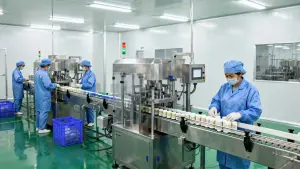
At SREKE, we believe that adopting advanced manufacturing technologies like 3D printing can revolutionize how dietary supplements are produced. As a GMP-certified OEM/ODM contract manufacturer based in Guangzhou, China, we stay at the forefront of innovation while maintaining strict compliance with FDA and EFSA regulations.
3D printing supplements technology allows for precise formulation customization, reduced waste, and faster prototyping—key advantages for supplement brands seeking to differentiate their products in a competitive market. Our research indicates that this emerging technology supports enhanced bioavailability through controlled release mechanisms and personalized dosage forms.
Key Manufacturing Considerations at SREKE
- MOQ Flexibility: We support low minimum order quantities for prototype development, enabling brands to test formulations before scaling production.
- Lead Time Efficiency: Our streamlined processes reduce time-to-market by up to 40% compared to traditional manufacturing methods.
- Formulation Precision: 3D printing enables exact ingredient distribution per dose, critical for multi-ingredient complex formulas.
- Packaging Integration: We offer co-packaging solutions including blister packs, bottles, and sachets compatible with printed dosage forms.
- Regulatory Compliance: All products adhere to ISO 22716 (GMP), HACCP, and cGMP standards required for U.S., EU, and global markets.
How SREKE Helps You Get to Market Faster
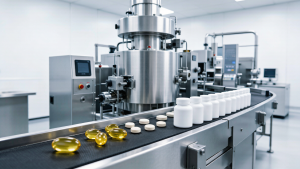
At SREKE, our dedicated R&D team collaborates with brand owners to develop novel delivery systems using additive manufacturing techniques. We maintain an in-house lab equipped with multi-material extrusion printers capable of processing various excipients and active compounds suitable for softgels, tablets, capsules, powders, gummies, and liquids.
Our quality control protocol includes real-time monitoring during printing operations, followed by comprehensive testing for dissolution profiles, content uniformity, and microbial safety before batch release. This ensures every product meets both performance expectations and regulatory requirements.
Industry Trends and Market Opportunities
The global functional food and supplement market is projected to reach $698 billion by 2030, driven by demand for personalized nutrition (Grand View Research, 2023). 3D printing presents opportunities for creating:
- Personalized vitamin/mineral blends tailored to individual health needs
- Sustained-release matrices improving nutrient absorption rates
- Complex geometries enhancing consumer experience and brand differentiation
- Rapid iteration cycles for seasonal or trend-based product launches
We recommend partnering with experienced manufacturers who understand both technological capabilities and regulatory landscapes when exploring these innovations.
Frequently Asked Questions
Can you print customized supplement dosages?
Yes, our system supports variable-dose configurations within single batches, ideal for clinical studies or targeted wellness programs.
What materials are compatible with your 3D printing process?
We utilize food-grade polymers including HPMC, PVP, starch derivatives, and lipid-based matrices approved under GRAS regulations.
Do you handle regulatory submissions?
While we provide technical documentation supporting New Dietary Ingredient notifications or DSHEA compliance, final submission responsibility rests with the brand owner.
Is there a learning curve for working with your team?
No—we assign account managers familiar with supplement industry nuances to guide clients through formulation selection, packaging design, and certification processes.
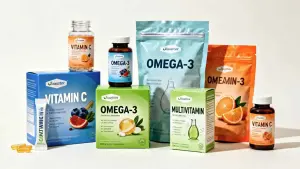
Ready to launch your supplement brand? SREKE provides GMP-certified OEM/ODM manufacturing for softgels, capsules, tablets, powders, gummies, and liquids. Contact us for a free quote or email [email protected] — we respond within 24 hours.