






Why Cold Press vs Traditional Softgel Manufacturing Matters for Supplement Brands
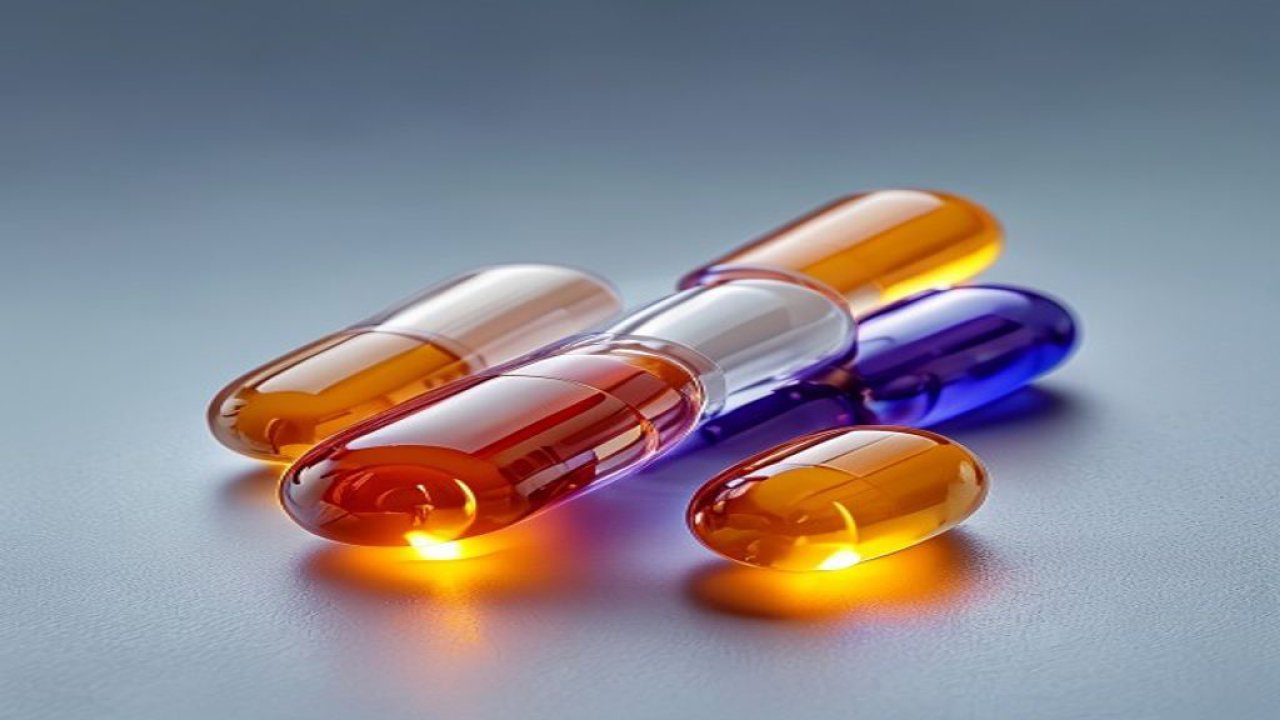
At SREKE, we understand that the manufacturing method you choose directly impacts the potency, shelf-life, and marketability of your dietary supplement. For brand owners, the decision between cold press and traditional softgel encapsulation is not just technical—it is strategic. Cold press technology allows for the encapsulation of heat-sensitive ingredients without the application of external heat, preserving the bioactivity of delicate oils, probiotics, and botanical extracts.
Traditional rotary die encapsulation, while efficient for high-volume production, often requires heating the gelatin shell and the melt process. This can degrade thermolabile compounds such as Omega-3 fatty acids, Vitamin E, or specific herbal extracts. By choosing the right method, we ensure your product delivers on its label claims from the first dose to the last.
Key Manufacturing Considerations at SREKE
Our GMP-certified facility in Guangzhou employs both advanced cold press technology and traditional rotary die systems. When advising our partners, we evaluate several critical factors:
1. Thermal Sensitivity of Ingredients
Cold press manufacturing operates at lower temperatures, making it ideal for ingredients like astaxanthin, krill oil, and certain essential oils. Traditional methods involve melting gelatin shells and filling nozzles, which can expose sensitive actives to heat stress. We recommend cold press for formulations where thermal degradation is a primary concern.
2. Formulation Viscosity and Oil Content
Traditional softgels typically handle higher oil loads (up to 90%+ liquid fill) with ease due to the fluidity of the melt. Cold press can accommodate semi-solids and oils but may have limitations with extremely viscous formulations compared to rotary die. At SREKE, our R&D team analyzes viscosity to determine the optimal encapsulation method for your specific formula.
3. Shell Composition and Biocompatibility
We offer gelatin-based, vegetarian (hypromellose/HPMC), and bovine collagen options. Cold press shells are often softer and may require specific handling during packaging to prevent sticking. Traditional shells can be engineered for harder textures, suitable for automated blister packing lines.
4. Compliance and Standards
All our processes adhere to FDA 21 CFR Part 111 and EU Good Manufacturing Practices. Whether using cold press or traditional methods, we maintain rigorous HACCP protocols to ensure safety, purity, and consistency. Every batch undergoes heavy metal testing, microbial analysis, and dissolution testing to verify compliance.
5. MOQ and Lead Time
Traditional softgel production generally supports lower Minimum Order Quantities (MOQs) for standard sizes (e.g., 00, 0) due to faster setup times. Cold press runs may require higher MOQs to justify machine calibration for specialized shells. However, our flexible manufacturing lines allow us to balance speed and volume to meet urgent launch deadlines.
How SREKE Helps You Get to Market Faster
At SREKE, we streamline the journey from concept to shelf. Our integrated OEM/ODM services include:
- Formulation Development: Our scientists optimize your ingredient profile for stability and bioavailability, selecting the correct encapsulation technology to preserve efficacy.
- Rapid Prototyping: We provide sample batches within 7-14 days, allowing you to test quality before full-scale production.
- Regulatory Support: We assist with FDA facility registration and provide Certificates of Analysis (CoA) for all raw materials and finished goods.
- Packaging Integration: We offer end-to-end packaging solutions, including bottles, blister packs, and private-label designs, ensuring your brand stands out.
By leveraging our dual-capability manufacturing infrastructure, we reduce the risk of formulation failure and accelerate time-to-market for your supplement brand.
Industry Trends and Market Opportunities
The global softgel market is shifting towards "clean label" and high-potency formulations. Consumers are increasingly demanding transparency regarding ingredient sourcing and processing methods. Cold press softgels appeal to health-conscious buyers who prioritize nutrient preservation and minimal processing. Additionally, there is growing demand for vegetarian and sustainable shell options, which we readily support through our HPMC and collagen-based product lines.
Brand owners who align their product strategy with these trends by choosing the appropriate manufacturing method will see higher customer retention and stronger market positioning.
Frequently Asked Questions
What is the main difference between cold press and traditional softgels?
The primary difference lies in the temperature control during encapsulation. Cold press manufacturing does not use external heat to form the shell or fill the capsule, preserving heat-sensitive nutrients. Traditional rotary die encapsulation uses heated nozzles and molds, which is suitable for stable compounds but may degrade thermolabile ingredients.
Can SREKE handle both types of softgel production?
Yes, our facility is equipped with state-of-the-art cold press encapsulators and traditional rotary die machines. We assess your formulation's stability and viscosity to recommend the most effective manufacturing process.
What are the typical MOQs for softgel contracts?
MOQs vary based on shell type, size, and manufacturing method. Generally, traditional softgels may have lower MOQs starting around 10,000-50,000 units depending on complexity. Cold press runs may have different thresholds due to setup requirements. Contact our sales team for specific quotes tailored to your project.
Are vegetarian softgels available?
Absolutely. We offer HPMC (hydroxypropyl methylcellulose) softgels derived from plant cellulose, as well as bovine collagen options. These are certified Kosher and Halal compliant upon request.
Ready to launch your supplement brand? SREKE provides GMP-certified OEM/ODM manufacturing for softgels, capsules, tablets, powders, gummies, and liquids. Contact us for a free quote or email [email protected] — we respond within 24 hours.