



Why HPMC Capsule Filling Machine Types Matter for Supplement Brands
At SREKE, we understand that selecting the right encapsulation technology is not just an engineering decision—it directly impacts your product's shelf life, cost per unit, and regulatory profile. HPMC (hydroxypropyl methylcellulose) capsules have become the preferred vehicle for vegan, hypoallergenic, and moisture-stable dietary supplements. Unlike gelatin, which is animal-derived and sensitive to humidity, HPMC shells offer superior stability in challenging storage conditions.
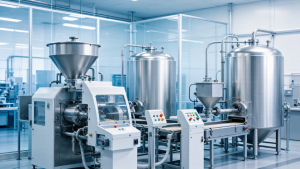
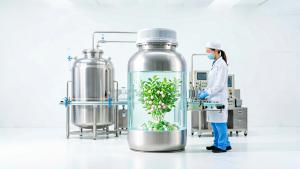
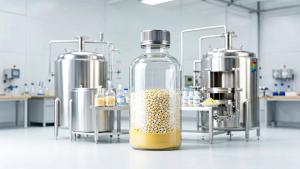
The type of filling machine we deploy depends on your formulation's flowability, density, and active ingredient profile. At our GMP-certified facility in Guangzhou, we utilize advanced encapsulation systems to ensure consistent fill weights and minimize cross-contamination. Whether you are launching a probiotic blend or a high-potency mineral formula, understanding these machine types helps us recommend the most efficient production path for your brand.
- Product Integrity: The right filler protects sensitive ingredients from oxidation and moisture.
- Dosing Accuracy: Precision filling ensures every capsule meets label claim requirements.
- Regulatory Compliance: HPMC is recognized as GRAS by the FDA and approved under EFSA regulations as a food additive (E464).
Key Manufacturing Considerations at SREKE
Our manufacturing team evaluates several critical factors before starting production. We classify capsule filling equipment into two primary mechanical categories: turret fillers and reciprocating fillers. Each serves distinct formulation needs.
Turret Filling Machines
Turret fillers are the industry standard for high-volume production of free-flowing powders. At SREKE, we use turret technology for formulas such as standardized herbal extracts, vitamin C powders, and mineral blends. These machines operate using a rotating die plate that fills capsules as they pass through the dosing zone.
- Speed: Capable of producing up to 100,000 to 200,000 capsules per hour, depending on the model and shell size.
- Precision: Ideal for consistent, free-flowing materials where gravity aids the filling process.
- Best For: High-potency vitamins, minerals, and dry botanical extracts with uniform particle size.
Reciprocating Filling Machines
Reciprocating fillers utilize vertical plungers to force powder into the capsule body. This mechanism provides greater control over difficult-to-flow materials. If your formulation contains hygroscopic ingredients, sticky binders, or low-density volumetric actives, our engineers may select reciprocating technology to maintain fill weight accuracy.
- Versatility: Handles cohesive, sticky, or aerated powders that turret machines may struggle with.
- Accuracy: Delivers precise dosing even when powder density varies slightly.
- Best For: Probiotics, complex herbal blends, and moisture-sensitive compounds.
Formulation and Shell Compatibility
We also consider shell specifications. Our facility stocks Size 00, 0, and 1 HPMC capsules in clear, opaque, and color-customized options. We ensure that the machine settings align with the shell's tensile strength and moisture content. HPMC shells typically require lower humidity control in the encapsulation room compared to gelatin, allowing us to process a wider range of water-activity ingredients safely.
How SREKE Helps You Get to Market Faster
At SREKE, we streamline the journey from concept to consumer. Our integrated OEM/ODM services cover formulation development, raw material sourcing, encapsulation, and final packaging.
Flexible MOQs and Rapid Turnaround
We recognize that startup brands need agility. Our production lines support flexible Minimum Order Quantities (MOQs) tailored to your launch phase. Our in-house filling capabilities reduce dependency on external vendors, allowing us to achieve shorter lead times for both initial sampling and full-scale commercial runs.
Compliance and Quality Assurance
Every batch produced at our facility adheres to strict GMP standards. We maintain ISO 22000 and HACCP certification frameworks to ensure food safety. Our quality control protocols include incoming raw material testing, in-process checks for weight variation and disintegration time, and final release testing for heavy metals, pesticides, and microbial limits.
Packaging Solutions
We offer comprehensive packaging logistics to protect your investment. Options include:
- Blister Packaging: PVC/PVDC or PET/PP blisters for unit-dose convenience and tamper evidence.
- Bottle Packaging: HDPE bottles with desiccant packs and child-resistant closures (CRC).
- Custom Labeling: Printed labels compliant with FDA 21 CFR labeling requirements and EU Regulation 1924/2006 where applicable.
Industry Trends and Market Opportunities
The global demand for plant-based supplements continues to drive innovation. Consumers increasingly seek clean-label products that align with vegan and vegetarian lifestyles. HPMC capsules meet this demand without compromising performance.
- Vegan Growth: The shift toward plant-based diets supports the growing adoption of HPMC over bovine or porcine gelatin.
- Stability Improvements: Advances in capsule shell technology allow for higher fill weights and better protection of sensitive actives like probiotics and omega-3s.
- Personalized Nutrition: Compact filling lines enable smaller, specialized batches for personalized supplement regimens.
At SREKE, we stay ahead of these trends by continuously upgrading our machinery and expanding our ingredient library. Our R&D team monitors global regulatory updates to ensure your formulas remain compliant in target markets.
Frequently Asked Questions
What is the difference between HPMC and gelatin capsules?
HPMC capsules are plant-based, derived from cellulose, making them suitable for vegan and vegetarian diets. They also offer better moisture resistance than gelatin, which makes them ideal for supplements stored in humid climates. Both types are recognized by the FDA for dietary supplement use.
Can SREKE fill difficult or sticky powder formulations?
Yes. While turret fillers excel with free-flowing powders, our facility can utilize reciprocating filling technology for cohesive, sticky, or low-density formulations. Our engineers assess powder flowability during the sample development phase to select the optimal machine.
What certifications do your HPMC capsules carry?
Our HPMC shells are available with Halal, Kosher, and Non-GMO certifications. Our manufacturing facility operates under GMP, ISO 22000, and HACCP standards to ensure consistent quality and safety.
How does encapsulation affect the shelf life of my supplement?
Proper encapsulation protects active ingredients from oxygen, light, and moisture. HPMC shells provide excellent barrier properties for many formulations. We also incorporate desiccants and choose appropriate secondary packaging to extend shelf life, typically targeting 24 months when stored correctly.
What is the typical lead time for a capsule order?
Lead times vary based on formulation complexity, shell customization, and order volume. Our team provides a detailed timeline during the quoting process. We prioritize efficient production scheduling to help brands meet their market entry goals.
Ready to launch your supplement brand? SREKE provides GMP-certified OEM/ODM manufacturing for softgels, capsules, tablets, powders, gummies, and liquids. Contact us for a free quote or email [email protected] — we respond within 24 hours.