



Why HPMC Capsule Filling Matters for Supplement Brands
At SREKE, we recognize that choosing the right encapsulation technology is a critical decision for supplement brand owners. While traditional gelatin capsules have long dominated the market, Hydroxypropyl Methylcellulose (HPMC) capsules—often referred to as vegetarian or vegan capsules—are gaining significant traction. This shift is driven by consumer demand for plant-based solutions, allergen-free products, and higher thermal stability.
However, HPMC capsules present unique mechanical challenges compared to their gelatin counterparts. They are more brittle, have different moisture absorption rates, and require precise handling during the filling process. Understanding the specific types of HPMC capsule filling machines available is essential for ensuring high yield, minimal breakage, and regulatory compliance with FDA and EFSA standards. At SREKE, we leverage advanced machinery to ensure our partners receive consistent, high-quality finished goods regardless of the capsule type selected.
Key Manufacturing Considerations at SREKE
When evaluating HPMC capsule filling processes, several technical factors influence the choice of equipment and the final product quality. Our manufacturing facility in Guangzhou employs rigorous Quality Management Systems (GMP/ISO/HACCP) to address these variables.
1. Machine Types: Tamping Pin vs. Rotary Tablet
We utilize two primary types of filling technologies for HPMC capsules:
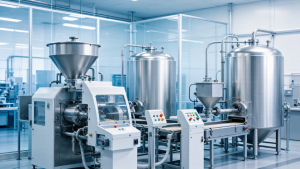
- Tamping Pin Filling Machines: Ideal for low to medium volume production. These machines use rotating tamping pins to compress powder into a specific density before loading it into the capsule body. They offer flexibility for frequent formula changes but may have slightly lower throughput compared to rotary systems.
- Rotary Tablet Filling Machines: Designed for high-volume production. These machines create a tablet-shaped plug of powder inside the capsule body before insertion. This method ensures superior weight uniformity and density control, which is crucial for potent supplements where dosing accuracy is paramount. At SREKE, we recommend rotary filling for brands requiring strict compliance with weight variation standards.
2. Moisture Control and Environmental Stability
HPMC capsules are hygroscopic, meaning they absorb moisture from the air, which can lead to swelling or brittleness. Unlike gelatin, which requires controlled humidity to remain pliable, HPMC demands a dry environment to maintain integrity during filling. Our facilities maintain strict humidity controls during the encapsulation phase to prevent capping or splitting issues.
3. Material Compatibility and Allergen Safety
A key advantage of HPMC capsules is their suitability for allergen-free formulations. They do not contain animal-derived proteins, making them ideal for halal, kosher, and vegan certifications. We ensure that our equipment is dedicated or thoroughly validated to prevent cross-contamination, supporting brand owners who target niche dietary markets.
How SREKE Helps You Get to Market Faster
Speed to market is competitive advantage. At SREKE, we streamline the transition from formulation to finished product through our integrated OEM/ODM services.
Optimized MOQs and Lead Times
We understand that new brands often hesitate due to high Minimum Order Quantities (MOQs). SREKE offers flexible MOQs for HPMC capsule runs, allowing you to test the market without excessive inventory risk. Our efficient production lines and pre-stocked raw materials enable rapid turnaround times, reducing lead times significantly compared to traditional manufacturers.
Regulatory Compliance Support
Navigating FDA and EFSA regulations can be complex. Our compliance team assists with documentation, including Certificates of Analysis (CoA), GMP certificates, and material safety data sheets. We ensure that every batch of HPMC capsules meets international standards for heavy metals, microbial limits, and dissolution rates, providing peace of mind for global distribution.
Customization and Packaging Integration
From bottle design to blister packaging, we offer end-to-end packaging logistics solutions. Our equipment can handle various capsule sizes (000, 00, 0, 1, 2, 3, 4, 5) and colors, allowing you to differentiate your brand on the shelf. We also support custom labeling and serialization requirements for traceability.
Industry Trends and Market Opportunities
The global vegetarian capsule market is projected to grow steadily, driven by increasing health consciousness and ethical consumption. Key trends influencing HPMC capsule adoption include:
- Vegan Certification Demand: Consumers are increasingly seeking products that align with vegan lifestyles, boosting the popularity of HPMC over gelatin.
- Premium Positioning: HPMC capsules are often perceived as premium due to their superior clarity and stability, allowing brands to command higher price points.
- Enhanced Bioavailability: Advanced filling techniques allow for optimized powder compression, potentially improving the bioavailability of active ingredients.
At SREKE, we stay ahead of these trends by continuously upgrading our machinery and staying informed about evolving consumer preferences. Our R&D team collaborates with brand owners to develop innovative formulations that leverage the unique properties of HPMC capsules.
Frequently Asked Questions
What is the difference between gelatin and HPMC capsules?
HPMC capsules are plant-based, making them suitable for vegan and vegetarian diets. They are generally more stable in varying humidity levels and do not require refrigeration. Gelatin capsules are derived from animal collagen and may not meet specific dietary restrictions. At SREKE, we offer both options to cater to diverse market needs.
Can HPMC capsules handle high-moisture formulas?
Yes, but it requires careful formulation adjustment. HPMC capsules can tolerate slightly higher moisture content than gelatin, but excessive moisture can still affect capsule integrity. Our experts work with your formulation team to optimize water activity levels for safe encapsulation.
What is the typical MOQ for HPMC capsule production?
SREKE offers flexible MOQs depending on the complexity of the formula and packaging. We strive to accommodate small to medium-sized brands while maintaining cost-efficiency. Contact our sales team for specific details tailored to your project.
Are HPMC capsules eligible for Halal and Kosher certification?
Yes, HPMC capsules are inherently free from animal-derived ingredients, making them suitable for Halal and Kosher certifications. We can assist with obtaining necessary certifications from recognized bodies to support your global market entry.
How does SREKE ensure quality control during filling?
We implement strict QC protocols at every stage, including incoming raw material inspection, in-process checks for weight variation and fill integrity, and final product testing. Our GMP-certified facility ensures that all products meet FDA and EFSA standards for safety and efficacy.
Ready to launch your supplement brand? SREKE provides GMP-certified OEM/ODM manufacturing for softgels, capsules, tablets, powders, gummies, and liquids. Contact us for a free quote or email [email protected] — we respond within 24 hours.