
Why Cold Press vs Traditional Softgel Manufacturing Matters for Supplement Brands
At SREKE, we understand that the manufacturing method you choose directly impacts product quality, stability, and market differentiation. In the competitive dietary supplement industry, the distinction between traditional gelatin softgels and modern cold-press technologies is not just technical—it is strategic. While traditional methods involve heating gelatin to form shells, cold-press softgel technology allows for the encapsulation of sensitive ingredients without thermal degradation.
This difference is critical for brands focusing on high-value actives such as omega-3 fatty acids, probiotics, vitamin E, and botanical extracts. Heat can oxidize unsaturated fats, reducing potency and causing off-flavors. By choosing the right manufacturing process, you ensure that the label claim matches the actual content delivered to the consumer. Our facility in Guangzhou leverages both traditional and advanced cold-press capabilities to help you select the optimal path for your specific formulation needs.
Key Manufacturing Considerations at SREKE
When evaluating production methods, several factors come into play. At SREKE, we guide our partners through these considerations to ensure regulatory compliance and product excellence.
Thermal Sensitivity and Ingredient Stability
Traditional softgel manufacturing typically involves heating the gelatin ribbon to approximately 60-70°C (140-158°F) to achieve the necessary viscosity for encapsulation. This process is suitable for stable compounds like Vitamin D3 or CoQ10. However, for heat-sensitive ingredients, this temperature can compromise efficacy.
Cold-press softgel technology, often utilizing hydrocolloids like pectin, carrageenan, or modified starches alongside or instead of gelatin, operates at ambient or low temperatures. This preserves the integrity of thermolabile nutrients. We recommend cold-press methods for brands marketing "raw," "live," or "high-potency" formulations where oxidative stability is paramount.
Dietary Compliance and Allergen Concerns
Many global consumers seek animal-free supplements. Traditional softgels rely heavily on bovine or porcine gelatin, which may not align with vegetarian, vegan, halal, or kosher dietary preferences unless specifically certified. At SREKE, our cold-press lines allow for the creation of vegetarian and vegan softgels using plant-based hydrocolloids. This expands your total addressable market significantly.
MOQ and Lead Time Optimization
One common misconception is that advanced technology always means higher Minimum Order Quantities (MOQs). At SREKE, we have optimized our cold-press machinery to support flexible production runs. While traditional gelatin softgels often have lower MOQs due to established supply chains, our cold-press options remain accessible for emerging brands. We typically offer MOQs ranging from 5,000 to 10,000 units depending on the complexity of the shell composition and labeling requirements.
Packaging and Shelf-Life
Cold-press softgels may have different moisture sensitivity profiles compared to gelatin-based ones. Gelatin softgels require strict humidity control during storage to prevent drying or sticking. Plant-based cold-press shells can sometimes offer improved resistance to moisture transfer, potentially extending shelf life without excessive desiccants. Our QA team tests every batch for dissolution rates, weight variation, and leakage to ensure compliance with USP and EP standards.
How SREKE Helps You Get to Market Faster
Speed to market is essential for capturing trends. At SREKE, our streamlined OEM/ODM process reduces the time from concept to shipment. We maintain a robust inventory of standard shell compositions, allowing us to skip lengthy R&D phases for common formulations.
- Formulation Support: Our in-house chemists help optimize your formula for either traditional or cold-press encapsulation, ensuring compatibility with the machinery.
- Regulatory Compliance: We ensure all ingredients meet FDA and EFSA guidelines. Our documentation supports your health authority submissions, including GMP certificates and COAs (Certificates of Analysis).
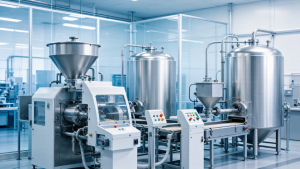
- Production Efficiency: With automated filling and polishing lines, we minimize bottlenecks. Typical lead times for custom softgels range from 4-8 weeks, depending on shell type and testing requirements.
Industry Trends and Market Opportunities
The supplement market is shifting towards transparency and clean labels. Consumers are increasingly aware of processing methods. Marketing a "cold-pressed" or "vegetarian-friendly" softgel allows you to command a premium price point. Furthermore, the rise of personalized nutrition requires flexible manufacturing solutions that SREKE provides.
We also see growing demand for dual-chamber softgels, which keep incompatible ingredients separate until ingestion. This innovation is more feasible with advanced cold-press technologies that handle complex shell geometries. By partnering with SREKE, you leverage our expertise to stay ahead of these trends.
Frequently Asked Questions
What is the main difference between cold-press and traditional softgels?
Traditional softgels use heated gelatin to form the shell, while cold-press softgels use plant-based hydrocolloids or unheated gelatin blends, preserving heat-sensitive ingredients and offering vegetarian options.
Are cold-press softgels suitable for probiotics?
Yes, cold-press technology is ideal for probiotics because it avoids the high temperatures that can kill live cultures. At SREKE, we use specialized encapsulation techniques to ensure probiotic viability.
Does SREKE offer Halal and Kosher certified manufacturing?
Absolutely. We provide Halal and Kosher certified gelatin options for traditional softgels and fully vegetarian plant-based shells for cold-press products, catering to diverse religious dietary laws.
How does MOQ compare between the two methods?
While traditional gelatin softgels may have slightly lower MOQs due to scale, our cold-press lines are optimized for flexibility. We work with brands to find the most cost-effective volume for their launch strategy.
Can I get a sample before committing to mass production?
Yes, we encourage prototyping. Contact our team to discuss sample requests, allowing you to evaluate shell clarity, taste masking, and overall quality before full-scale manufacturing begins.
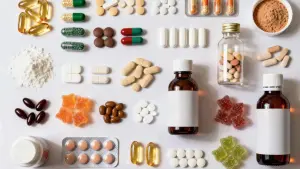
Ready to launch your supplement brand? SREKE provides GMP-certified OEM/ODM manufacturing for softgels, capsules, tablets, powders, gummies, and liquids. Contact us for a free quote or email [email protected] — we respond within 24 hours.