



Why 3D Printing Matters for Supplement Brands
At SREKE, we recognize that the supplement industry is evolving rapidly. While traditional manufacturing methods like compression and encapsulation remain industry standards, 3D printing technology offers a unique value proposition for brands seeking differentiation. This technology allows for precise control over dosage, shape, and release profiles, addressing specific consumer needs that mass-produced supplements often overlook.
For brand owners, the ability to produce personalized nutrition is no longer just a concept but an emerging reality. We see 3D printing as a strategic tool for creating high-margin, niche products that command premium pricing. It supports rapid prototyping, allowing you to test formulations before committing to large-scale production runs. This reduces risk and accelerates time-to-market for innovative formulas.
Key Manufacturing Considerations at SREKE
When evaluating advanced manufacturing techniques, quality control is paramount. At SREKE, our GMP-certified facilities prioritize consistency and safety above all else. While 3D printing is an exciting frontier, we advise supplement brands to carefully consider several factors before adopting it as a primary production method.
Dosage Precision and Uniformity
One of the primary advantages of 3D printing is the potential for high precision. However, achieving uniform active ingredient distribution across printed units requires sophisticated formulation expertise. Our team ensures that any printed product meets strict regulatory standards for label claim accuracy. We monitor particle size, binder viscosity, and layer adhesion to guarantee that every dose delivers the promised amount of nutrients.
Regulatory Compliance and Safety
All ingredients used in our manufacturing processes, whether for traditional or advanced formats, must comply with FDA and EFSA regulations. We verify the safety of inks, binders, and substrates used in printing technologies. Our quality assurance protocols include rigorous testing for contaminants, stability, and shelf-life. We ensure that the final product is safe for consumption and clearly labeled according to current legal requirements.
Scalability and Cost Efficiency
While 3D printing excels in customization, scalability can be a challenge compared to high-speed tablet presses or encapsulators. At SREKE, we evaluate the cost-benefit ratio for each client. For low-volume, high-complexity projects, 3D printing may be ideal. For high-volume commodity products, traditional methods often offer better economies of scale. We help you choose the right technology to meet your MOQ and budget constraints.
How SREKE Helps You Get to Market Faster
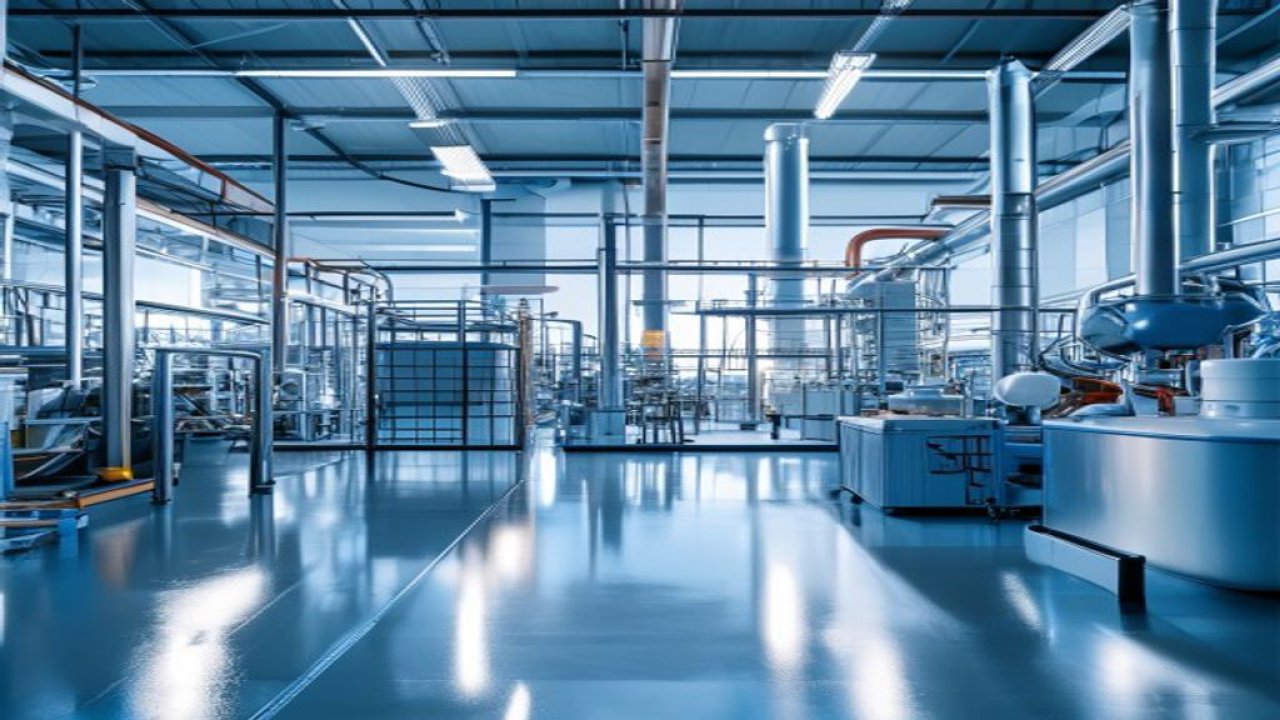
Our facility in Guangzhou is equipped to handle diverse manufacturing needs, ensuring that your product launches on schedule. We streamline the development process from formulation to final packaging. Our experienced R&D team works closely with you to optimize your formula for both traditional and novel manufacturing techniques.
- Rapid Prototyping: We can produce small batches quickly for testing and feedback, reducing the time spent on iterative design changes.
- Integrated Quality Control: Our in-house lab conducts potency, heavy metal, and microbial testing throughout the production cycle, ensuring compliance without delays.
- Packaging Solutions: We offer customizable packaging options that protect the integrity of sensitive formulations, including moisture-proof solutions for powders and gummies.
Industry Trends and Market Opportunities
The market for personalized nutrition is growing as consumers seek tailored health solutions. Trends indicate a shift towards functional foods that support specific wellness goals, such as immune health or cognitive function. While 3D printing is still emerging in this sector, it aligns with the broader trend of hyper-personalization.
We observe increased demand for clean-label ingredients and sustainable packaging. Brands that leverage advanced technologies to create unique, traceable, and high-quality products are well-positioned to capture market share. At SREKE, we stay ahead of these trends by continuously investing in technology and training our staff on the latest industry best practices.
Frequently Asked Questions
Is 3D printing safe for supplement manufacturing?
Yes, when performed under strict GMP guidelines. At SREKE, we ensure that all materials in contact with food are food-grade and compliant with FDA/EFSA standards. Rigorous testing confirms the safety and stability of the final product.
Can 3D printing handle complex formulations?
It depends on the physical properties of the ingredients. Our formulation experts assess compatibility and printability during the development phase. We can adjust binders and excipients to ensure successful printing while maintaining nutrient integrity.
What are the MOQs for custom supplement projects?
MOQs vary by product type and manufacturing method. For traditional tablets and capsules, we offer competitive MOQs. For specialized projects, including those involving novel technologies, we discuss requirements on a case-by-case basis to ensure feasibility and cost-effectiveness.
How does SREKE ensure product consistency?
We implement comprehensive quality control measures at every stage, including raw material inspection, in-process monitoring, and finished product testing. Our systems track batch numbers and production parameters to ensure full traceability and consistency.
Ready to launch your supplement brand? SREKE provides GMP-certified OEM/ODM manufacturing for softgels, capsules, tablets, powders, gummies, and liquids. Contact us for a free quote or email [email protected] — we respond within 24 hours.