




The global vegan supplement market is projected to reach $15.3 billion by 2030, driven by the rapid growth of plant-based lifestyles. With 12% of US consumers now identifying as vegan or vegetarian and 35% actively seeking plant-based products, the demand for truly vegan supplements has moved from niche to mainstream. For brand owners, manufacturing a vegan supplement requires more than just removing animal-derived ingredients — it demands careful selection of vegan capsule shells, plant-based active ingredients, alternative processing aids, and third-party certification.
Why Vegan Supplements Matter for Your Brand
The vegan supplement category has evolved from a small sub-segment to a major growth driver in the dietary supplement industry.
Large and Growing Consumer Base — The global plant-based food market reached $44 billion in 2025, and supplement consumption among vegans is 40% higher than the general population. Vegans are actively seeking supplements for nutrients they may lack (B12, vitamin D, iron, omega-3, zinc).
Premium Pricing Power — Vegan-certified supplements command 20-40% price premiums over standard equivalents. The "Vegan" label alone increases perceived product quality by 35% among target consumers.
Higher Repeat Purchase Rates — Vegan consumers are 2.3x more likely to subscribe to supplement auto-delivery programs than non-vegan consumers, creating stronger recurring revenue.
Cross-Category Appeal — While vegans are the core audience, 45% of non-vegan consumers also prefer vegan-labeled products (perceived as cleaner, healthier). The vegan label expands rather than limits your addressable market.
Key Factors to Consider When Manufacturing Vegan Supplements
What Vegan Capsule Options Are Available?
| Capsule Type | Base Material | Source | Cost vs Gelatin | Shelf Life | Best For |
|---|---|---|---|---|---|
| HPMC (Hydroxypropyl Methylcellulose) | Plant cellulose | Wood pulp or cotton fibers | +30-50% | 24-36 months | Most supplements, standard choice |
| Pullulan | Fermented tapioca starch | Tapioca | +60-100% | 24-30 months | Premium brands, clean label |
| Modified Starch | Plant starch | Corn, potato, tapioca | +40-70% | 18-24 months | Moisture-sensitive fills |
| Vcaps® Plus | HPMC (hypromellose) | Plant cellulose (Capsugel) | +40-60% | 24-36 months | Vegetarian certification |
| DRcaps™ | HPMC + gellan gum | Plant-based (Capsugel) | +50-80% | 24-36 months | Delayed-release, acid-resistant |
What Non-Vegan Ingredients to Watch For in Supplement Manufacturing?
Many common supplement ingredients and processing aids are animal-derived. Brands must verify every component:
| Ingredient/Category | Animal Source | Vegan Alternative | Common in |
|---|---|---|---|
| Gelatin (capsules) | Bovine or porcine collagen | HPMC, pullulan, modified starch | All capsule supplements |
| Gelatin (gummies) | Bovine or porcine | Pectin, agar-agar, modified starch | Gummy supplements |
| Lactose | Cow's milk | Microcrystalline cellulose, mannitol | Tablet excipients, capsule fillers |
| Magnesium Stearate | Stearic acid from animal fat or plant-based | Vegetable magnesium stearate | Capsule and tablet lubricant |
| Stearic Acid | Animal-derived or plant-derived (source varies) | Plant-based stearic acid certification | Tablet lubricant |
| Shellac | Lac beetle secretion | Carnauba wax, Zein (corn protein) | Tablet coating, enteric coating |
| Carmine/Red Color | Cochineal insects | Beet juice, anthocyanins, iron oxides | Red-colored tablets and capsules |
| Vitamin D3 (lanolin) | Sheep's wool grease | Lichen-based D3, synthetic D3 or vegan D2 | Vitamin D supplements, multi-vitamins |
| Omega-3 (fish oil) | Fish | Algal oil | Omega-3 supplements |
| Chondroitin | Bovine or porcine cartilage | Vegan chondroitin (limited), alternative joint ingredients | Joint health supplements |
| Glucosamine | Shellfish shells | Plant-based glucosamine (limited) or vegan alternatives | Joint health supplements |
| Coenzyme Q10 (fermentation) | May use animal-based media in some processes | Fermentation-based on plant media (verify with supplier) | Heart health, energy supplements |
| Beeswax | Honeybees | Carnauba wax, candelilla wax | Tablet coating, softgel shell |
| L-Cysteine | Human hair or duck feathers | Synthetic or fermentation-based | Tablets (some formulations) |
| Sericin | Silkworm cocoons | No common alternative (verify in ingredient sourcing) | Some specialty formulations |
| Royal Jelly | Honeybees | Plant-based alternatives | Energy, wellness supplements |
What Vegan Certifications Are Available for Supplements?
| Certification | Issuing Body | Requirements | Consumer Recognition | Cost |
|---|---|---|---|---|
| Certified Vegan | Vegan Awareness Foundation | No animal ingredients or testing | Very High (US) | $300-600/year |
| Vegan Action | Vegan Action | No animal products, cross-contamination control | High | $250-500/year |
| Vegan Society | The Vegan Society (UK) | No animal ingredients, no animal testing | Very High (EU/UK) | £300-500/year |
| European Vegetarian Union (EVU) | EVU | Vegan or Vegetarian specific | High (EU) | €400-800/year |
| PETA Approved Vegan | PETA | No animal ingredients | Moderate | $100-300/year |
What Is the MOQ for Vegan Supplement Manufacturing?
| Product Type | Vegan Factor | Typical MOQ | Cost Premium vs Non-Vegan |
|---|---|---|---|
| Capsules (HPMC) | Capsule shell | 10,000-50,000 capsules | +30-50% |
| Capsules (Pullulan) | Capsule shell | 20,000-50,000 capsules | +60-100% |
| Gummies (Pectin-based) | Gelling agent | 10,000-30,000 gummies | +40-70% |
| Tablets (Vegan formulation) | Excipients, coating | 50,000-100,000 tablets | +10-20% |
SREKE offers vegan supplement manufacturing with HPMC and pullulan capsule options, pectin-based gummies, and fully vegan formulations across all dosage forms.
The Vegan Supplement Manufacturing Process
Step 1: Ingredient Verification — Every ingredient is verified for vegan status, including processing aids and manufacturing equipment cleaning agents. Supplier declarations and third-party certifications are reviewed for all components.
Step 2: Formulation Review — The formulation is reviewed to replace any animal-derived ingredients with vegan alternatives. This includes selecting vegetable-based magnesium stearate, plant-based vitamin D3 (lichen), and vegan capsule shells.
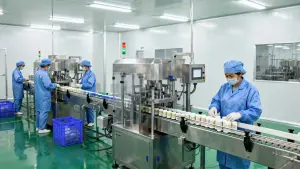
Step 3: Manufacturing Line Clearance — Production equipment undergoes thorough cleaning to prevent cross-contamination from previous non-vegan production runs. Dedicated vegan manufacturing runs are preferred for certified vegan products.
Step 4: Production — The product is manufactured according to standard operating procedures, with enhanced segregation and documentation to support vegan certification audit requirements.
Step 5: Quality Control — Finished product testing includes verification of no animal-derived DNA (PCR testing for gelatin if relevant) and full identity, potency, and microbial testing.
Vegan vs Non-Vegan Supplement Manufacturing — Which Is Right for Your Brand?
| Factor | Vegan (Plant-Based) | Standard (Gelatin Capsules) |
|---|---|---|
| Target Audience | Vegans, vegetarians, flexitarians (45%+ prefer vegan) | General supplement consumers |
| Capsule Premise | HPMC, pullulan, modified starch | Bovine/porcine gelatin |
| Per-Unit Cost | 30-100% higher | Baseline |
| Shelf Life | 24-36 months | 24-36 months (similar) |
| Dissolution Rate | Good (varies by capsule type) | Excellent |
| Moisture Content | 2-5% (low, good for moisture-sensitive fills) | 10-15% (can affect moisture-sensitive ingredients) |
| Consumer Premium | 20-40% higher retail price | Baseline retail price |
| Certification Value | High (trust signal) | Not applicable |
Frequently Asked Questions
Are HPMC capsules truly vegan?
Yes. HPMC (hydroxypropyl methylcellulose) capsules are made from plant cellulose derived from wood pulp or cotton fibers. They contain no animal ingredients, are suitable for vegans, and are certified vegan by all major vegan certification organizations.
What is the difference between HPMC and pullulan vegan capsules?
HPMC capsules are the most common and cost-effective vegan option, made from plant cellulose. Pullulan capsules are made from fermented tapioca starch, are oxygen-barrier (better for oxidation-sensitive ingredients), offer higher clarity (transparent), and are preferred for premium brands. Pullulan costs 40-60% more than HPMC.
How do I ensure my supplement formula is 100% vegan?
Start with a vegan formulation checklist: verify all active ingredients are plant-based or synthetic (not animal-derived), use plant-based capsule shells or pectin for gummies, choose vegetable-based processing aids (magnesium stearate, stearic acid), select plant-based coating materials, verify vitamin D3 source (lichen, not lanolin), and ensure no animal testing was conducted on the formula.
Can vegan supplements use the same manufacturing lines as non-vegan products?
Yes, but thorough cleaning (changeover) is required between non-vegan and vegan production runs. For certified vegan products, dedicated production runs with documented cleaning validation are typically required by certification bodies. SREKE offers dedicated vegan production scheduling to support certification.
How long does vegan certification take for a new supplement product?
Standard vegan certification takes 2-4 weeks for product review and approval once all documentation is complete. Prepare ingredient specifications, supplier declarations, manufacturing process documentation, and finished product formulations. Many brands launch with a "Vegan" claim based on ingredient review while the formal certification is processed.
Does SREKE offer certified vegan manufacturing?
Yes. SREKE manufactures certified-vegan supplements across all dosage forms with HPMC and pullulan capsule options, pectin-based gummies, and fully vegan tablet formulations. We support Vegan Action, Certified Vegan, and other certification requirements.
How to Get Started with SREKE
SREKE provides comprehensive vegan supplement manufacturing services with plant-based capsule shells, pectin-based gummy options, vegan-certified formulations, and full documentation support for vegan certification applications across all major certifying bodies.
Contact our team to discuss your vegan supplement project. We will help you select the right vegan capsule type, formulate with 100% plant-based ingredients, and ensure your product meets vegan certification requirements for your target market.