


At SREKE, we understand that launching a fitness supplement brand requires more than just a great formula—it demands a manufacturing partner who delivers consistency, compliance, and speed. As a GMP-certified dietary supplement OEM/ODM contract manufacturer based in Guangzhou, China, we specialize in turning your vision into market-ready products. In this article, we share our expertise on contract manufacturing for fitness supplements, addressing the key considerations for brand owners, distributors, and e-commerce sellers seeking private label solutions.
Why Contract Manufacturing Matters for Fitness Supplement Brands
The global sports nutrition market is projected to reach $59.2 billion by 2028, growing at a CAGR of 8.9% (Grand View Research, 2023). Fitness supplements—including protein powders, pre-workouts, amino acids, and fat burners—drive this growth, fueled by rising health awareness and gym culture. However, brand owners face critical challenges: sourcing high-quality ingredients, navigating complex regulations, and maintaining cost-effective production. At SREKE, we solve these challenges by offering end-to-end contract manufacturing services that reduce risk and accelerate time-to-market.
Common hurdles we see include inconsistent supplier quality, high MOQs that strain cash flow, and regulatory missteps that delay launches. Our team mitigates these through rigorous supplier audits, flexible batch sizes starting at 10,000 units, and pre-compliance label reviews for US FDA and EU EFSA markets. For example, our clients avoid costly reformulations by leveraging our in-house R&D for stability testing and shelf-life optimization.
Key Manufacturing Considerations for Fitness Supplements
Formulation and Dosage Forms
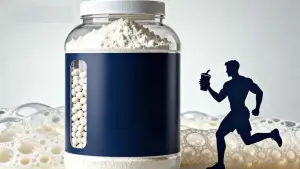
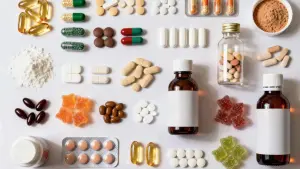
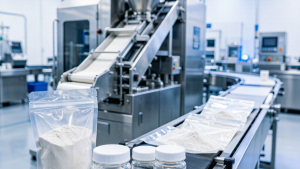
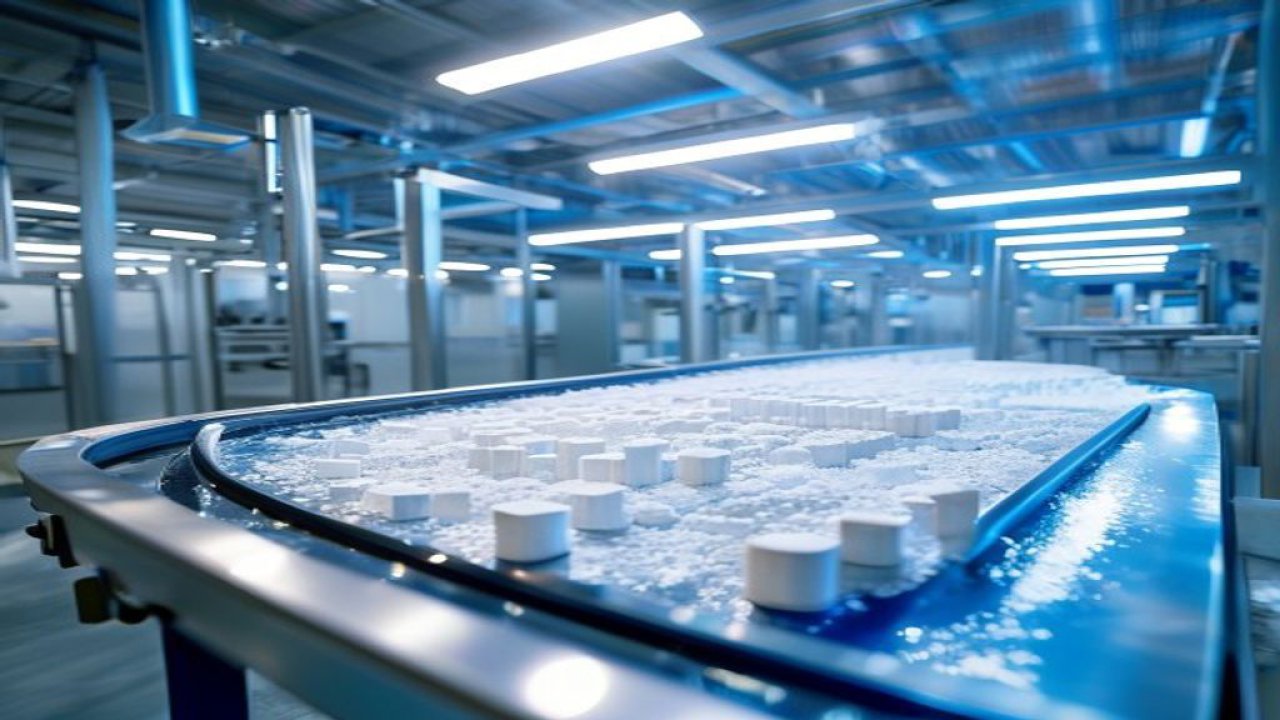
We offer multiple dosage forms—softgels, capsules, tablets, powders, gummies, and liquids—each with distinct advantages. For pre-workouts, powders allow precise dosing of caffeine and beta-alanine. For protein supplements, we use instantized whey for better mixability. Our formulation team ensures active ingredients remain stable through encapsulation or coating technologies, such as enteric coating for BCAAs to prevent stomach degradation.
Quality Standards: GMP, Third-Party Testing, and COAs
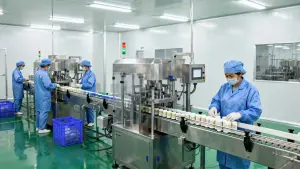
Our facility operates under strict GMP guidelines (certified by SGS and Intertek). Every batch undergoes identity, purity, and potency testing via HPLC and GC-MS. We provide Certificates of Analysis (COAs) for each production run, including heavy metal and microbial screens. For fitness supplements, we also test for banned substances (e.g., WADA-prohibited stimulants) to ensure athlete-safe products.
Regulatory Compliance
For US FDA compliance, we follow 21 CFR 111 for dietary supplement cGMPs and 21 CFR 101.93 for structure-function claims. We avoid disease claims—using phrases like "supports muscle recovery" or "promotes energy metabolism" instead. For EU EFSA compliance, we adhere to Regulation (EC) No 1924/2006 on nutrition and health claims. Our label review service ensures your product meets local requirements, reducing rejection risk at customs.
How to Choose the Right OEM Partner for Fitness Supplements
When selecting a contract manufacturer, we recommend evaluating these factors:
- Certifications: Verify GMP, ISO 22000, HACCP, and HALAL/KOSHER if needed. At SREKE, we hold all these certifications.
- Ingredient Sourcing: Look for suppliers with traceability and third-party audits. We source from NSF-certified suppliers and conduct raw material testing.
- Lead Times: Ask about production cycles. Our average lead time is 25-35 business days for standard orders.
- MOQ Flexibility: Avoid partners with rigid MOQs. We offer MOQs as low as 10,000 capsules or 500 kg for powders.
Red flags to avoid: lack of transparency on testing, no on-site lab, or refusal to provide client references. At SREKE, we offer factory tours (virtual or in-person) and share testimonials from fitness supplement brands we've partnered with.
Industry Trends and Market Opportunities
Current trends shaping fitness supplements include personalized nutrition (e.g., DNA-based formulas), plant-based proteins (growing at 12% CAGR), and ready-to-drink (RTD) products. We've invested in cold-fill technology for RTD shakes and encapsulation for probiotic fitness supplements. Additionally, e-commerce sellers prioritize small-batch production for A/B testing—our flexible MOQs support this. According to a 2023 Innova Market Insights report, 63% of consumers seek transparency in sourcing, which we address through blockchain-tracked supply chains.
Frequently Asked Questions
What is the typical MOQ for fitness supplements at SREKE?
We offer MOQs starting at 10,000 units for capsules and tablets, 500 kg for powders, and 1,000 kg for liquids. Custom formulations may have slightly higher MOQs depending on ingredient availability.
How long does it take to develop a custom fitness supplement formula?
Our R&D team typically completes formulation and stability testing within 2-4 weeks. Full production, including packaging and labeling, takes 25-35 business days after formula approval.
Do you provide labeling and regulatory support for US and EU markets?
Yes. We review your label for compliance with FDA 21 CFR 101.93 and EU No 1924/2006. We also provide documentation for customs clearance, including COAs and GMP certificates.
Can you manufacture caffeine-free or stimulant-free pre-workouts?
Absolutely. We offer custom formulations for stimulant-free options using ingredients like citrulline malate, beta-alanine, and taurine. Our team can adjust dosages to match your target market.
Looking for a reliable OEM manufacturer for your supplement brand? SREKE provides GMP-certified custom formulation, private labeling, and contract manufacturing for softgels, capsules, tablets, powders, gummies, and liquids. Contact us at [email protected] or request a free quote — our team responds within 24 hours.